How to Make a Hard Mattress More Comfortable: Your Complete Guide to Better Sleep
There’s nothing quite like the frustration of lying on a mattress that feels like you’re sleeping on a board. You’ve invested your hard-earned money into what was supposed to be your ticket to dreamland, but instead, you’re tossing and turning all night, waking up with aches that make you feel like you’ve gone ten rounds with a heavyweight boxer. The good news? You don’t necessarily need to replace that mattress right away. Let me walk you through some practical, proven strategies to transform your too-firm sleeping surface into a cozy sanctuary.
Understanding Why Your Mattress Feels Too Hard
Before we dive into solutions, let’s talk about why your mattress might feel uncomfortably firm. Sometimes it’s not actually the mattress itself—it’s how you’re using it. New mattresses often need a break-in period, kind of like new shoes that need to be worn in before they feel right. Your body needs time to adapt, and the materials inside need to soften slightly with use and body heat.
However, sometimes a mattress is genuinely too firm for your sleeping preferences. This happens when the core support system is too rigid, or the comfort layer doesn’t provide enough cushioning for your body type and sleeping position. The key is figuring out which situation applies to you, then taking action accordingly.
The Break-In Period Myth and Reality
Most mattress manufacturers recommend giving your new bed at least 30 days to adjust to your body. During this time, the foam and coils gradually conform to your shape, becoming softer and more responsive. If you’ve only had your mattress for a couple of weeks and it feels hard, patience might be your best friend right now.
Quick Fixes: Immediate Solutions for Firmer Comfort
Want relief tonight? These quick fixes can make an enormous difference without breaking the bank.
Add a Mattress Topper for Instant Cushioning
This is hands-down the most effective solution for most people. A mattress topper is like adding a pillow layer directly on top of your mattress. Think of it as a comfortable intermediary between you and that firm surface below. Memory foam toppers are particularly popular because they conform to your body’s unique shape, distributing your weight evenly and reducing pressure points.
When shopping for a topper, aim for something between two to four inches thick. Anything thinner won’t provide substantial softening, and anything thicker might make your bed feel unstable. The material matters too—memory foam, latex, and down-alternative toppers all work differently:
- Memory foam toppers provide excellent support and pressure relief, perfect for side sleepers and those with joint pain
- Latex toppers offer more responsiveness and bounce while still providing cushioning
- Down-alternative toppers give you that cloud-like feel if you prefer maximum softness
Invest in Quality Bedding Materials
Sometimes the problem isn’t just the mattress—it’s what you’re putting on top of it. Thin, cheap sheets can feel scratchy and uncomfortable, making even a decent mattress feel unpleasant. Upgrade to high-quality, breathable sheets made from Egyptian cotton or bamboo. These materials feel softer against your skin and actually influence how comfortable your overall sleep experience is.
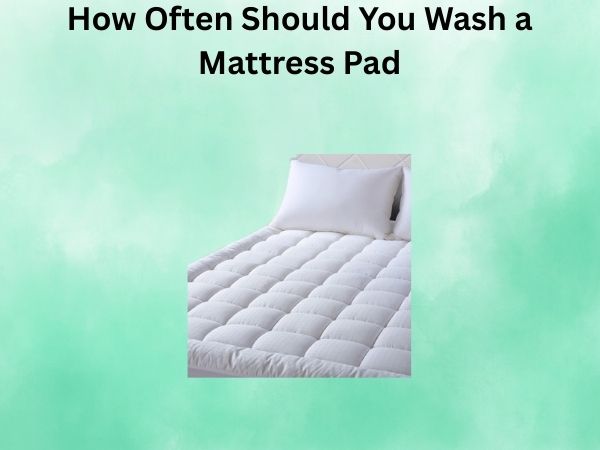
Don’t underestimate the power of a good mattress pad, either. These protective layers sit between your mattress and sheets, providing an extra buffer of softness while also protecting your investment from spills and stains.
Adjust Your Pillow Setup
Here’s something most people overlook: your pillow setup affects how your entire body feels on the mattress. If your neck isn’t properly supported, your whole spine alignment gets thrown off, making the mattress feel harder and less comfortable than it actually is. Invest in a pillow that properly supports your sleeping position—back sleepers need different support than side sleepers.
Longer-Term Solutions: Structural Improvements
If quick fixes help but don’t completely solve the problem, it’s time to think about deeper changes.
Upgrade Your Bed Foundation
Your mattress sits on a foundation, and this foundation plays a huge role in how your mattress feels. A weak or sagging foundation will make even a decent mattress feel uncomfortable. Think about your bed frame and box spring—if either is old, worn, or insufficient, it can make your mattress feel harder and less supportive than it should be.
Consider upgrading to a high-quality platform bed or a sturdy box spring that provides even support across the entire mattress surface. This single change can make your existing mattress feel significantly more comfortable because it’s now properly supported.
Use Strategic Pillow Placement
Beyond your head pillow, placing pillows strategically under your body can transform comfort. Side sleepers should place a pillow between their knees to maintain proper spine alignment and reduce pressure on the hips. Back sleepers benefit from a pillow under the knees. These support pillows prevent your body from sinking unevenly into the mattress, which can create that hard, uncomfortable feeling.
Rotate and Flip Your Mattress Regularly
Many people don’t realize that rotating their mattress actually helps with comfort and longevity. By rotating your mattress head to foot every two to three months, you distribute wear evenly, which can help firm spots soften more uniformly. Some double-sided mattresses can also be flipped, which essentially gives you a fresh sleeping surface and allows different areas to compress under your body weight.
Temperature Management for Better Comfort
Here’s something that surprises people: temperature directly affects how firm your mattress feels. A cold mattress will feel harder than a warm one. Memory foam, in particular, becomes more pliable when it’s warm.
Pre-Warm Your Mattress
Before bed, spend a few minutes warming up your mattress with an electric blanket set on low, or simply let your body heat work its magic for the first ten minutes of lying down. You’ll notice the mattress becomes noticeably softer as it warms up. Some people even use heated mattress pads designed specifically for this purpose.
Maintain Optimal Room Temperature
Keep your bedroom between 60 and 67 degrees Fahrenheit for optimal sleep. This temperature range is cool enough to help you fall asleep while still keeping your mattress warm enough to feel comfortable. Too cold, and your mattress will feel hard. Too hot, and you’ll sleep poorly for different reasons.
Body Positioning Techniques
Sometimes the mattress feels harder than necessary simply because of how you’re positioned on it.
Perfect Your Sleeping Position
Different sleeping positions experience firmness differently. If you’re a back sleeper on a firm mattress, you might be experiencing too much pressure on your lower back. Try adding a pillow under your knees. Side sleepers might find that placing a pillow between their knees creates better alignment. Stomach sleepers (though generally less recommended) should place a pillow under their hips to maintain spine neutrality.
Experiment with your positioning until you find what works. Sometimes simply shifting how you lie down can make an uncomfortable mattress feel acceptable.
Gradually Acclimate Your Body
If you’re coming from a very soft mattress, your body might need time to adjust to firmer support. Spend extra time lying on your new mattress while reading or watching television, allowing your body to gradually get used to the firmness. This isn’t just a mental adjustment—your muscles and joints actually adapt to different sleeping surfaces over time.
When to Consider Professional Solutions
If you’ve tried these strategies and still feel uncomfortable, it might be time to bring in professionals.
Consult a Sleep Specialist or Chiropractor
Your mattress might not actually be too firm—you might have underlying pain or alignment issues that make any firm surface feel unbearable. A sleep specialist can evaluate your situation and recommend specific solutions tailored to your body’s needs. Sometimes what feels like a mattress problem is actually a body alignment problem that requires targeted support.
Professional Mattress Softening Services
Some mattress companies offer professional softening services for new mattresses. If your mattress is under warranty, contact the manufacturer—they might be able to help you adjust the firmness or exchange it if it’s genuinely defective.
Budget-Friendly Alternatives You Haven’t Considered
Not everyone can afford premium toppers or new foundations. Here are creative solutions that cost minimal money:
- Layer blankets under your sheets to create a cushioning effect
- Use extra pillows strategically positioned around your body
- Try a thin yoga mat placed under your mattress topper for additional cushioning
- Invest in a weighted blanket, which distributes pressure more evenly
- Use folded towels in strategic pressure-point areas
Mattress Materials and Their Comfort Profiles
Understanding what your mattress is made from helps explain why it feels hard and what might help soften it.
Memory Foam Mattresses
Memory foam naturally responds to body heat, becoming softer as you lie on it. If your memory foam mattress feels hard, warming strategies will help significantly. Quality matters here—cheaper memory foam doesn’t soften as much.
Innerspring Mattresses
These feel hard because of the metal coils. A thick, quality topper is your best bet for softening an innerspring mattress. The topper essentially works as a barrier between you and those coils.
Hybrid and Latex Mattresses
These materials naturally feel firmer than memory foam. Toppers help, but these mattresses might never feel cloud-like—and that might actually be okay, depending on your preference for support.
Long-Term Mattress Care to Prevent Hardening
Once you’ve made your mattress more comfortable, keeping it that way requires maintenance.
Regular Cleaning and Maintenance
Dust, sweat, and body oils accumulate in your mattress over time, potentially making it feel less comfortable. Vacuum your mattress monthly and spot-clean any stains promptly. This keeps the materials fresher and helps them maintain their original comfort properties longer.
Proper Topper Care
If you’ve added a topper, care for it properly. Wash the cover monthly if it’s removable, and rotate the topper itself regularly to distribute wear evenly. Most toppers last five to seven years with proper care.
The Psychological Aspect of Comfort
Don’t underestimate the power of psychology in mattress comfort. Your expectations, beliefs about firmness, and even the price you paid all influence how comfortable you feel. If you believe your mattress is too hard, you’ll naturally tense up, making it feel even harder. Conversely, if you believe your solutions are working, you’ll actually sleep better because you’re more relaxed.
This isn’t to say your discomfort is imaginary—it’s absolutely real. But understanding this psychological component means that sometimes simply believing in your solutions can make them more effective.
Conclusion
Your firm mattress doesn’t have to be a permanent source of sleep frustration. From simple overnight fixes like adding a mattress topper to longer-term solutions involving foundation upgrades and body positioning adjustments, you have multiple practical options available. Start with the quick fixes—they’re affordable, reversible, and often surprisingly effective. If those don’t work, gradually move toward bigger investments. Remember that mattress comfort is highly personal, and what works for someone else might not work for you. Give yourself time to experiment, stay consistent with your chosen solutions, and don’t hesitate to seek professional advice if needed. Sweet dreams are within reach, even on a firm mattress.
Frequently Asked Questions
How long does it take for a new hard mattress to soften?
Most new mattresses require 30 to 90 days to fully break in as the materials compress and conform to your body. Some people notice improvement within the first two weeks, while others need the full 90 days. Memory foam mattresses typically soften faster than innerspring or latex options. If your mattress hasn’t become more comfortable after three months, it’s probably genuinely too firm for your preferences, and you should consider using a topper or exploring other solutions.
Is a mattress topper safe to use with all mattress types?
Yes, toppers are compatible with virtually all mattress types—memory foam, innerspring, hybrid, and latex. However, you should ensure your mattress and bed frame can handle the additional weight and height. Most modern beds accommodate the extra few inches without issue. If you have a low platform bed or antique frame, measure your clearance first. Always use a mattress protector between your mattress and topper to protect your original investment.
Can I return a mattress if it’s too hard?
Many mattress companies offer 30 to 100-day sleep trials, but the specifics depend on the brand and retailer. Check your purchase documents for the return policy. If you’re outside the return window, you’re generally stuck with the mattress, which is why exploring softening solutions like toppers becomes important. Always read return policies before purchasing, and take advantage of trial periods if available.
What’s the difference between a mattress topper and a mattress pad?
Mattress toppers are thick (usually two to four inches) comfort layers designed specifically to soften your mattress and provide additional cushioning. Mattress pads are typically thinner (half to one inch) and primarily protect your mattress from spills and stains while providing minimal comfort enhancement. For softening a hard mattress, you’ll want a topper rather than a pad.
Will a mattress topper help if my mattress is sagging in the middle?
A topper can temporarily mask sagging by providing additional cushioning, but it won’t fix the underlying problem. If your mattress is sagging, the core is likely compromised, and a topper is a temporary solution at best. You’ll probably need to replace the mattress itself or at least address the foundation issue. However, if you’re on a tight budget, a quality topper will improve comfort until you can replace the mattress.
“`
![What Is The Best Mattress for Back Pain and Arthritis [In 2026]](https://homeunderstandable.com/wp-content/uploads/2025/11/Best-Mattress-for-Back-Pain-and-Arthritis.jpg)