How to Stiffen a Mattress at Home: Your Complete Guide to Better Sleep Support
Have you ever woken up feeling like you’re sinking into quicksand? That’s the feeling many people experience with a mattress that’s lost its firmness over time. I’ve been there, and I understand how frustrating it can be. A soft, sagging mattress doesn’t just affect your comfort—it can impact your spinal alignment, cause back pain, and leave you tossing and turning all night. The good news? You don’t necessarily need to replace your entire mattress. There are several practical, affordable ways to stiffen a mattress right in your own home.
Why Does Mattress Firmness Matter for Your Sleep Quality?
Think of your mattress as the foundation of a house. When that foundation becomes weak or uneven, everything built on top of it suffers. The same principle applies to your mattress and your body. When your mattress is too soft, your spine doesn’t get the support it needs, leading to misalignment that can cause discomfort and long-term health issues.
Firmness isn’t just about comfort—it’s about support. A properly firm mattress helps distribute your body weight evenly, reduces pressure points, and keeps your spine in a neutral position throughout the night. This is especially important for side sleepers, back sleepers, and anyone dealing with chronic pain.
The Connection Between Mattress Support and Sleep Quality
When your mattress provides adequate support, your muscles can actually relax during sleep. Without proper support, your body works overtime trying to maintain proper alignment, which leads to restless nights and morning stiffness. Over time, this can contribute to more serious back problems.
Understanding Your Current Mattress Situation
Before you jump into solutions, let’s figure out exactly what you’re working with. Not all soft mattresses need the same treatment, and understanding why yours has become soft is crucial to choosing the right solution.
Common Reasons Your Mattress Became Soft
- Natural wear and tear from regular use
- Foam deterioration over time
- Broken or weakened coil springs
- Insufficient foundation or box spring support
- Mattress sagging in high-impact areas
- Improper storage or storage conditions
- Manufacturing defects that took time to manifest
The Science Behind Why Mattresses Lose Their Firmness
Every time you lie down on your mattress, you’re applying pressure to materials that are designed to compress and then return to their original shape. Over years of nightly use, these materials gradually lose their ability to bounce back completely. It’s like a rubber ball that’s been bounced thousands of times—eventually, it doesn’t bounce quite as high.
In foam mattresses, the cells break down and compress over time. In spring mattresses, the coils lose their tension. This isn’t necessarily a product failure; it’s just the natural aging process of mattress materials. The average mattress lasts about seven to ten years before significant softening occurs, though this varies based on quality and usage.
Quick Assessment: Is Your Mattress Too Soft for Your Needs?
How do you know if your mattress is actually too soft, or if you’re just going through a phase where you want more support? Here are some telltale signs:
- You wake up with back pain or neck stiffness
- You feel like you’re sinking into the mattress
- You have visible body impressions that don’t bounce back
- Your partner’s movements wake you up more easily
- You feel less supported than when you first bought the mattress
- Your hips or shoulders seem to sink lower than the rest of your body
If you’re experiencing three or more of these issues, it’s definitely time to take action on firmness.
Method 1: Using a Mattress Topper for Instant Firmness
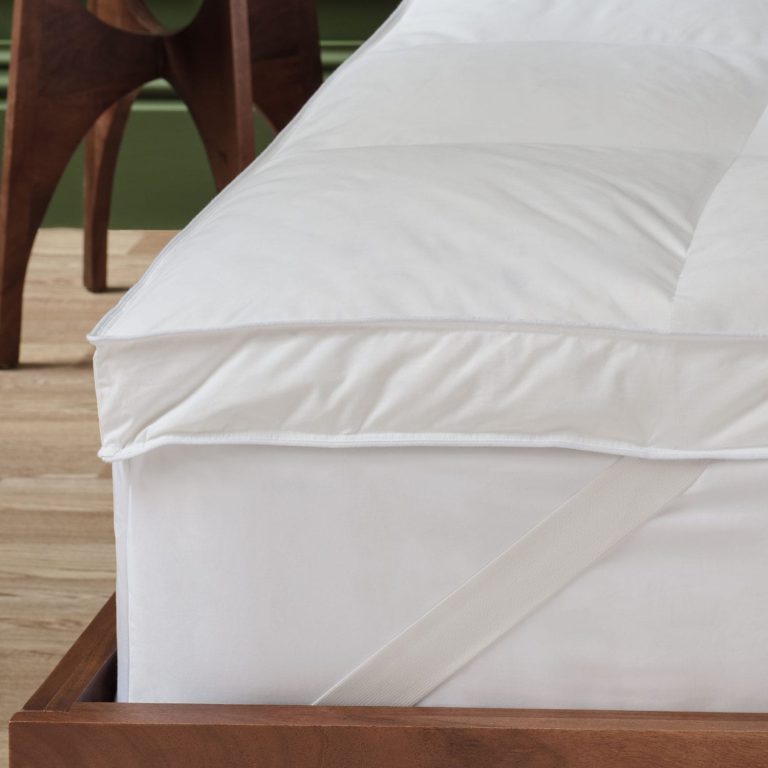
This is probably the easiest and quickest solution. A mattress topper sits on top of your existing mattress and adds a layer of support and firmness. Think of it as giving your mattress a supportive cushion that works underneath you rather than around you.
How to Choose the Right Mattress Topper
Not all toppers are created equal. Memory foam toppers tend to add softness, while latex and high-density foam toppers add firmness. For stiffening a soft mattress, you want a topper with higher density and less conforming properties.
What to Look for in a Firmness-Boosting Topper:
- Density rating of at least 4-5 pounds per cubic foot
- Thickness between 2-4 inches for noticeable support
- Materials like latex, high-density polyfoam, or wool
- Firm or extra-firm rating from the manufacturer
- Good edge support to prevent rolling off
Installation and Maintenance Tips
Installing a topper is wonderfully simple. Just unroll it on top of your mattress, smooth out any wrinkles, and you’re done. Most toppers come with a fitted cover or stay-put layer that prevents shifting. Clean according to manufacturer instructions, which usually involves spot-cleaning for liquid spills and occasional airing out.
Method 2: The Plywood Board Solution for Maximum Firmness
If you want serious firmness without the expense of a new mattress, a plywood board is your secret weapon. This method involves placing a sheet of plywood between your mattress and your box spring or bed frame.
Step-by-Step Guide to Installing a Plywood Board
Here’s how to do it properly and safely:
- Measure your bed dimensions exactly
- Purchase 3/4-inch plywood (thinner wood may sag)
- Have the lumber yard cut it to your bed size
- Remove your mattress completely
- Place the plywood on your box spring or bed frame
- Make sure it’s perfectly flat with no gaps
- Replace your mattress on top
Why This Works So Well
Plywood creates a solid, immovable surface that prevents your mattress from sinking into the box spring beneath it. You’ll feel an immediate increase in firmness. The wood essentially becomes an extension of the support system, distributing your weight across a larger surface area rather than allowing localized sagging.
Important Safety Considerations
Make sure your bed frame can support the additional weight of the plywood. Check for any damage or warping in the wood before installation. Some people drill small ventilation holes in the plywood to prevent moisture buildup, which can prolong the life of both the plywood and mattress.
Method 3: Adjustable Base Solutions for Customizable Firmness
Modern adjustable beds offer an interesting solution to firmness issues. While they don’t change your mattress’s actual firmness, they can compensate by positioning your body in ways that require less support.
How Adjustable Bases Help With Support
By adjusting the angle of your head and feet, an adjustable base can reduce the amount of pressure on your lower back and improve spinal alignment. It’s not a perfect substitute for a firmer mattress, but it can provide significant relief and comfort. Many people find they need less firmness when their bed can adjust to support them properly.
Method 4: Flipping and Rotating Techniques
This method sounds almost too simple, but don’t discount it. Many people forget that the first step in extending mattress life is proper maintenance through regular flipping and rotating.
The Flipping Schedule for Maximum Life
- Flip your mattress 180 degrees every month (head to foot)
- Rotate it 90 degrees every other month
- For double-sided mattresses, flip them completely
- For single-sided mattresses, just rotate without flipping
By doing this consistently, you distribute wear more evenly across the mattress surface, which slows down the development of soft spots and body impressions. If your mattress is already sagging, this won’t restore firmness, but it can prevent the problem from getting worse.
Method 5: Natural Firmness Boosters You Might Not Know About
Using Firmer Box Springs
Your box spring (or foundation) plays a huge role in mattress firmness. If yours is old and sagging, replacing it might be exactly what you need. A high-quality, firm box spring provides much better support than a worn-out one. Look for models specifically designed to provide extra support rather than just absorbing impact.
Strategic Pillow Placement
While this doesn’t change your mattress’s actual firmness, placing firm pillows under your hips when side sleeping or under your knees when back sleeping can improve your body’s alignment and reduce the sensation of sinking into a soft mattress. It’s a temporary solution while you work on longer-term fixes.
Proper Bed Frame Selection
Your bed frame matters more than you might think. A bed frame with adequate center support and sturdy slats prevents excessive sagging. If your current frame is old or lacks proper support, upgrading it can make a noticeable difference in perceived mattress firmness.
When to Consider Professional Help
Sometimes, DIY solutions have limitations. If you’ve tried one or more of these methods and still aren’t getting the firmness you need, it might be time to call a professional or invest in a new mattress.
Signs You Should See a Professional
- Extreme sagging that affects your entire sleep surface
- Broken springs or visible structural damage
- Persistent health issues despite firmness improvements
- Your mattress is more than 10 years old
- DIY solutions provide only temporary relief
A mattress professional can assess whether your mattress can be salvaged or if replacement is truly the best option. They can also provide recommendations based on your specific sleep needs and health concerns.
Budget-Friendly vs. Premium Options: Finding Your Sweet Spot
The Most Affordable Solutions
If you’re working with a tight budget, flipping and rotating your mattress, along with a careful plywood board installation, costs minimal money and maximum effort. A basic mattress topper runs between $100-300, making it accessible for most people.
Mid-Range Solutions
A quality firmness-boosting topper or a new box spring typically costs $300-800. These solutions provide significant improvement without the cost of a full mattress replacement.
Premium Solutions
If you’re ready to invest more, an adjustable base runs $800-2000+, and a new mattress obviously varies widely but typically starts around $1000 for a quality option. These are longer-term investments that affect your daily comfort and health.
Maintaining Your Firmer Mattress for Long-Term Support
Once you’ve stiffened your mattress, you want to keep it that way. Here are maintenance strategies that actually work:
Regular Maintenance Routine
- Continue flipping and rotating on schedule
- Use a mattress protector to prevent stains and damage
- Vacuum your mattress monthly to remove dust and debris
- Air it out in sunlight when possible
- Avoid jumping or putting excessive stress on it
- Use appropriate bedding that supports firmness
Protecting Your Investment
A good mattress protector acts as armor for your mattress, preventing spills, dust mites, and other damage that can accelerate softening. They’re relatively inexpensive and provide enormous value. Some even provide additional support themselves.
Common Mistakes People Make When Trying to Stiffen a Mattress
Using the Wrong Topper Material
Choosing a soft memory foam topper when you need firmness is like fighting fire with fire. Make sure you’re selecting materials specifically designed to add support, not comfort softness.
Inadequate Plywood Thickness
Using thin plywood that warps or sags defeats the purpose. Stick with 3/4-inch or thicker options for lasting results.
Ignoring Foundation Issues
Sometimes the problem isn’t the mattress at all—it’s a deteriorated box spring or bed frame. Always assess the entire sleep system before spending money on mattress solutions.
Expecting Permanent Firmness Without Maintenance
Even after stiffening your mattress, continued proper care is essential. Neglecting regular maintenance will eventually lead to softening again.
How Long Do These Firmness Improvements Actually Last?
The longevity of your firmness depends on which method you chose:
Topper Lifespan
A quality firmness topper typically lasts 3-5 years before it begins to compress. This is a significant advantage—when it wears out, you replace just the topper rather than the entire mattress.
Plywood Board Durability
Properly installed and maintained plywood can last 5-10 years or even longer. As long as it doesn’t get damaged or exposed to excessive moisture, it provides consistent support.
Box Spring Replacement
A new, high-quality box spring can provide improved support for 5-7 years. If you’re replacing it alongside other improvements, you’re setting yourself up for years of better sleep.
Conclusion
A soft mattress doesn’t have to mean poor sleep. You have multiple practical, affordable options to regain the firmness and support you need without necessarily replacing your entire mattress. Whether you choose a supportive topper, install a plywood board, replace your foundation, or use a combination of methods, you can significantly improve your sleep quality and reduce morning pain.
Start with assessing your specific situation and budget. The plywood method offers maximum firmness at minimal cost, while a quality topper provides convenience and adjustability.
![What Is The Best Mattress for Sciatica [In 2026]](https://homeunderstandable.com/wp-content/uploads/2025/08/Best-Mattress-for-Sciatica-1.jpg)
![7 Best Mattress For Side Sleeper Canada [2026]](https://homeunderstandable.com/wp-content/uploads/2026/06/7-best-mattress-for-side-sleeper-canada-2026-featured-768x432.jpg)