Impingement Oven vs Air Fryer: Which Is Better for Cooking?
When you’re standing in your kitchen wondering what cooking appliance to invest in next, you’ve probably found yourself caught between two popular options: the impingement oven and the air fryer. Both of these machines have taken the cooking world by storm, and honestly, they’re pretty different beasts. But here’s the thing—understanding which one suits your lifestyle, cooking style, and budget is crucial before you make that purchase decision.
I’ve spent considerable time researching both appliances, and I want to walk you through everything you need to know. By the end of this guide, you’ll have a clear picture of what each device does best and which one might be the perfect fit for your kitchen.
Understanding Impingement Ovens
Let me start by breaking down what an impingement oven actually is. If you’ve ever been to a commercial kitchen or a professional catering facility, you’ve likely seen one of these machines. They’re the heavy-duty workhorses that can crank out hundreds of meals in a single shift.
An impingement oven, sometimes called a conveyor oven, uses high-velocity jets of hot air that literally bombard your food from multiple angles. Picture a swarm of tiny air cannons all firing at your chicken breast or pizza at the same time. That’s essentially what’s happening inside the chamber. This aggressive approach to cooking is what makes these ovens so efficient in commercial settings.
Key Features of Impingement Ovens
- High-velocity air jets from top and bottom
- Conveyor belt system for continuous cooking
- Temperature range typically between 200°F to 500°F
- Built primarily for commercial or heavy-duty home use
- Larger footprint requiring dedicated kitchen space
- Can cook multiple items simultaneously
What really sets impingement ovens apart is their ability to handle volume. Whether you’re running a restaurant or hosting a massive family gathering, these ovens laugh in the face of cooking large quantities. They’re designed to be consistent, reliable, and incredibly fast.
Understanding Air Fryers
Now, let’s talk about air fryers—the kitchen darling that’s been flying off shelves for the past several years. When air fryers first hit the market, people were skeptical. Could you really get crispy fried food without submerging it in oil? Turns out, yes, you absolutely can.
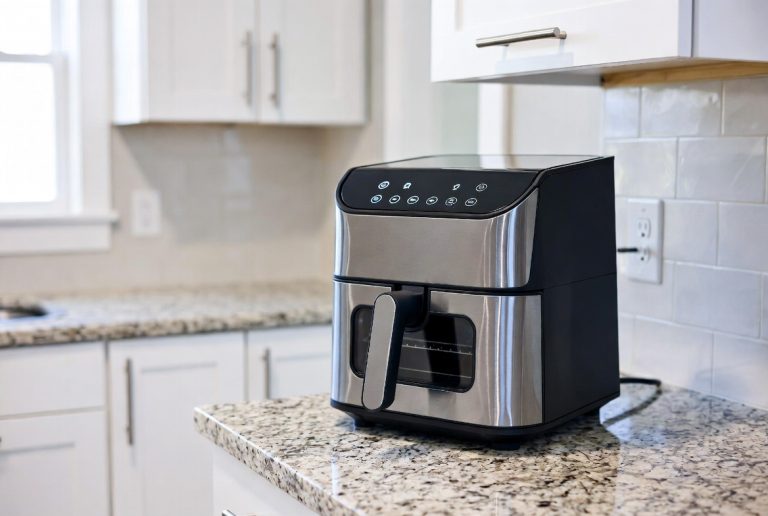
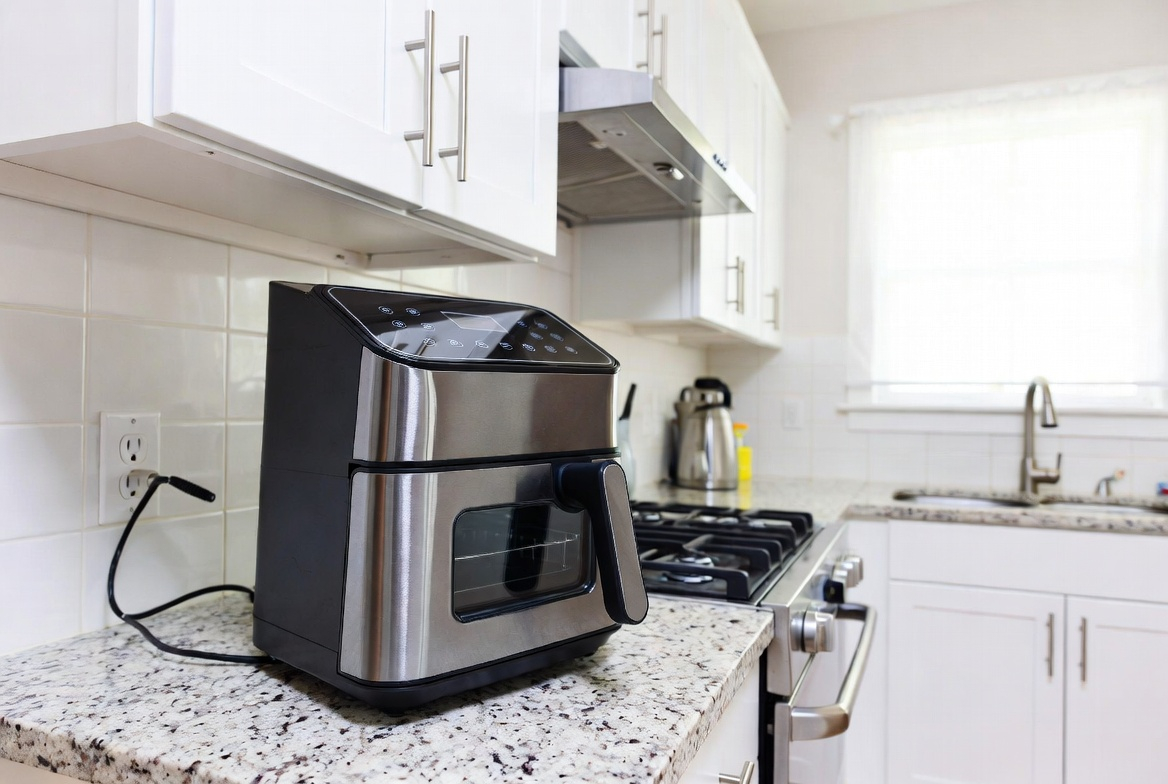
An air fryer is a compact countertop appliance that circulates extremely hot air at high speed around your food. Instead of using traditional heating elements like a regular oven, it relies on rapid air circulation to cook and crisp your meals. It’s like a personal-sized tornado of hot air, and it works surprisingly well.
Key Features of Air Fryers
- Compact countertop design
- Rapid air circulation technology
- Temperature range typically between 170°F to 400°F
- Basket or tray capacity ranging from 2 to 8 quarts
- Quick preheat times, usually 3-5 minutes
- Digital controls with preset cooking programs
- Dishwasher-safe components in many models
What I love about air fryers is how accessible they are. You don’t need professional training to use one. Pop your food in, set the temperature and time, and you’re done. It’s straightforward, and that’s part of their enormous appeal to home cooks everywhere.
How They Work Differently
Understanding the mechanical differences between these two appliances is essential if you want to make an informed decision. They might both use hot air, but they use it in completely different ways.
Impingement Oven Technology
The impingement oven works by directing forced air through a series of nozzles or jets. These jets are positioned both above and below the cooking surface, and they work in tandem to create an intense cooking environment. The conveyor belt moves your food through this gauntlet of heat, ensuring even cooking from start to finish.
Think of it like this: if a regular oven is a gentle sauna, an impingement oven is an aggressive steam room where the steam is weaponized. The air doesn’t just surround your food—it actively assaults it from every direction, which is why these ovens are so efficient.
Air Fryer Technology
Air fryers operate on a simpler principle. A heating element rapidly heats air to temperatures between 300°F and 400°F, and a powerful fan circulates this hot air around the food in the cooking chamber. The food sits in a basket or on a tray, and the circulating air cooks it through convection.
The beauty of this design is the Maillard reaction—that chemical process that creates those gorgeous golden-brown, crispy exteriors you’re craving. Because the hot air is moving so quickly and making direct contact with the food’s surface, you get that fried texture without the actual frying oil.
Cooking Speed Comparison
Speed matters, especially when you’re hungry or running behind schedule. Let’s be honest—we all want faster meal times these days.
Impingement Oven Speed
Impingement ovens are absolute speed demons. They can cook a frozen pizza in about 6 to 8 minutes, whereas a conventional oven might take 12 to 15 minutes. They can bake a batch of cookies in roughly the same time it takes you to preheat a regular oven. This is why restaurants love them—they’re production machines.
However, they do require a warm-up period, and they’re built for volume rather than individual quick meals. If you’re cooking just one item, you might not appreciate the speed advantage as much.
Air Fryer Speed
Air fryers are also remarkably fast. A chicken breast cooks in about 15-20 minutes, and frozen fries take roughly 12-15 minutes. Many models preheat in just 3-5 minutes, which means you can go from decision to eating in less than 20 minutes total for many dishes.
What makes air fryers appealing for speed-conscious home cooks is that you don’t need to wait long for them to preheat, and they’re perfect for cooking small to medium portions quickly. For a family of four, an air fryer is genuinely faster and more convenient than heating up a large oven.
Food Quality and Taste
Here’s where things get interesting. Both appliances produce excellent results, but in different ways.
Impingement Oven Results
Food from an impingement oven tends to have a uniform texture and appearance. Because the heat is so aggressive and consistent, every item cooks evenly. This is fantastic for commercial settings where consistency is everything. You want every customer’s meal to look and taste identical.
However, some home cooks argue that this aggressive cooking method can sometimes dry out certain foods if you’re not careful with timing. The intense heat, while efficient, doesn’t always produce the most tender results, especially for delicate items.
Air Fryer Results
Air fryers excel at producing crispy exteriors while keeping interiors moist and tender. That’s their superpower. Vegetables come out with a wonderful crunch, proteins stay juicy, and everything gets that appetizing golden-brown appearance that makes your mouth water.
The only downside is that air fryer baskets are typically smaller, so you can’t always cook everything at once. You might need to batch your cooking if you’re feeding a large group, which actually takes more time overall than using a larger oven.
Size and Kitchen Space
Your kitchen layout plays a significant role in which appliance makes sense for your home.
Impingement Oven Space Requirements
Impingement ovens are substantial pieces of equipment. They’re designed for commercial kitchens and dedicated cooking spaces. If you’re thinking about adding one to your home kitchen, you need significant counter or floor space—we’re talking about a footprint that could rival your refrigerator. These aren’t appliances you slide into a small apartment kitchen.
Most home cooks don’t have the space or the electrical setup to accommodate a full-sized impingement oven. Some smaller countertop versions exist, but they’re still considerably bulkier than most kitchen appliances.
Air Fryer Space Requirements
Air fryers are compact and designed for kitchen countertops. Most models are roughly the size of a microwave or toaster oven. Some are even smaller. This makes them perfect for apartments, condos, or kitchens where space is at a premium. If your kitchen is tight, an air fryer is the obvious winner here.
The compact nature of air fryers also means they’re portable. You can move them around easily, store them in a cabinet if needed, or even take them to a vacation home.
Energy Efficiency
If you’re conscious about your electricity usage and utility bills, this comparison matters.
Impingement Oven Energy Use
While impingement ovens cook quickly, they do consume significant electricity because they operate at high power levels. However, because they cook so rapidly, the total energy consumption per meal might actually be competitive with conventional ovens. In commercial settings, energy efficiency per meal is excellent compared to traditional cooking methods.
For home use, the equation is different. You’re less likely to utilize the full capacity of an impingement oven, which means you might be wasting energy potential compared to cooking smaller portions in another appliance.
Air Fryer Energy Use
Air fryers use less electricity than most full-sized ovens. They heat up quickly and use rapid air circulation to cook efficiently. Because they’re smaller and don’t need to heat a large chamber, they consume less power overall. For cooking individual meals or small portions, air fryers are genuinely energy-efficient choices.
If you’re using your oven multiple times per day, switching to an air fryer could noticeably reduce your electricity consumption.
Price Comparison
Budget is a real consideration for most people making a kitchen appliance purchase.
Impingement Oven Cost
Countertop impingement ovens typically range from $1,500 to $5,000 or more, depending on the model and features. Full-sized commercial models can cost significantly more. This is a serious investment that requires careful consideration.
Beyond the initial purchase price, you might need to hire a professional electrician to install proper wiring and ensure your home’s electrical system can handle the power draw. That’s an additional expense to factor in.
Air Fryer Cost
Air fryers are substantially more affordable. Quality models range from $60 to $300, with most reliable options sitting comfortably in the $100 to $200 range. This price point makes them accessible to almost anyone considering upgrading their kitchen.
Installation is literally just unboxing and plugging in. No electrician needed. No complicated setup. This accessibility is one reason air fryers have become so popular so quickly.
Versatility in Cooking
What can you actually cook in each appliance? Let’s explore their versatility.
Impingement Oven Cooking Options
Impingement ovens excel at cooking items that benefit from rapid, intense heat. They’re fantastic for:
- Pizzas and breads
- Pre-prepared frozen meals
- Wings and other fried foods
- Baked goods in volume
- Large quantities of proteins
They’re less ideal for delicate items, foods that require slow cooking, or anything that benefits from moisture retention. You wouldn’t use an impingement oven to slow-roast a pork shoulder or bake a delicate soufflé.
Air Fryer Cooking Options
Air fryers are surprisingly versatile. You can cook:
- French fries and chips
- Chicken wings and drumsticks
- Vegetables and roasted sides
- Fish and seafood
- Baked goods and pastries
- Reheating leftovers
- Egg-based dishes
- Even some breakfast items
The main limitation is size. You can’t cook huge roasts or massive batches of anything. But for individual servings and family-sized portions, air fryers handle an impressive range of foods.
Ease of Use and Cleaning
How simple is it to actually use these appliances day-to-day?
Impingement Oven Operation
Impingement ovens have learning curves. You need to understand how the conveyor speed works, temperature settings, and how to position different foods for optimal results. Some models have digital controls with presets, while others are more manual. They definitely require a bit of practice to master.
Cleaning is also more involved. These are large machines with multiple components. You’ll need to clean the conveyor belt, the interior chamber, and the nozzles. It’s not impossible, but it’s not as simple as wiping down a countertop appliance.
Air Fryer Operation
Air fryers are intuitive. Set the temperature, set the time, and press start. Most have preset buttons for common foods, so you don’t even need to think about optimal settings if you don’t want to. Anyone in your household can operate one without instruction.
Cleaning is gloriously simple. Most air fryer baskets and trays are dishwasher-safe. If you hand wash, a quick rinse removes most residue. The exterior just needs a wipe with a damp cloth. From an ease-of-maintenance perspective, air fryers are far superior.
Health Considerations
Many people choose between cooking appliances based on health implications. Let’s be honest about what each offers.
Impingement Oven Health Aspects
Impingement ovens cook food without added oil, similar to conventional ovens. The intense heat can produce the Maillard reaction, which creates flavorful compounds, but it can also produce compounds like acrylamide if foods are cooked too long at high temperatures. This isn’t unique to impingement ovens—any high-heat cooking method produces similar results.
From a nutritional standpoint, impingement ovens are neutral. They don’t add or remove nutrients in ways that differ significantly from conventional cooking.
![5 Best Air Fryer for Dorms [In 2026]](https://homeunderstandable.com/wp-content/uploads/2026/03/5-Best-Air-Fryer-for-Dorms-768x516.jpg)
![What Is The Best Air Purifiers for Smoke [In 2026]](https://homeunderstandable.com/wp-content/uploads/2025/06/best-air-purifiers-for-smoke-top-picks-for-clean-indoor-air-768x512.jpg)