
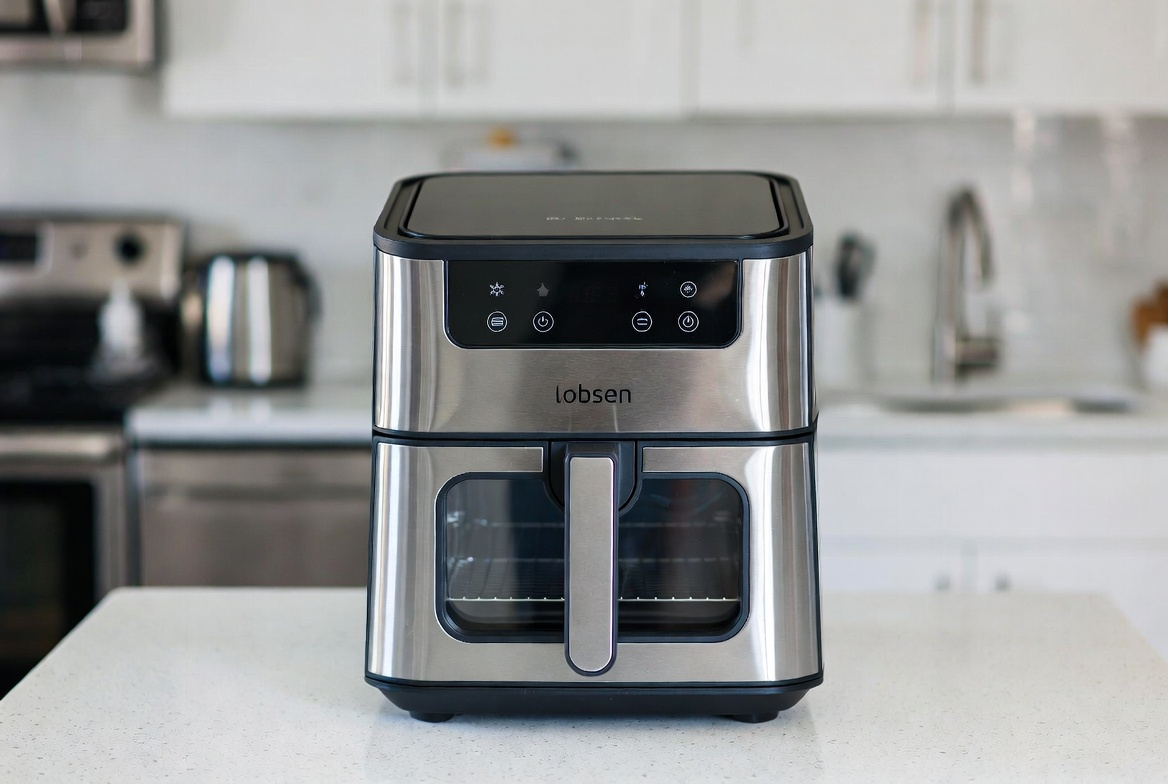
Instant Pot vs Instant Pot Air Fryer: What’s the Difference?
Are you standing in the kitchen appliance aisle, staring at two shiny countertop devices and wondering which one actually deserves a spot in your kitchen? You’re not alone. The Instant Pot has revolutionized home cooking for millions of people, and now Instant Pot has thrown an air fryer into the mix. But here’s the thing—just because they share the same brand name doesn’t mean they’re interchangeable. In fact, understanding the differences between these two appliances could be the key to transforming how you cook every single day.
Let me break this down for you in a way that actually makes sense. Think of it like comparing a Swiss Army knife to a specialized screwdriver. Both are tools, both have their place, but they excel in different situations. That’s essentially what we’re dealing with here.
Understanding the Instant Pot: Your Pressure Cooking Partner
The original Instant Pot changed the game when it hit the market. This electric pressure cooker promised to deliver slow-cooked flavors in a fraction of the time. But it’s so much more than just a pressure cooker.
What Makes the Original Instant Pot Special?
The Instant Pot is essentially a multi-functional cooking device that combines multiple kitchen appliances into one. When you buy an Instant Pot, you’re getting a pressure cooker, slow cooker, rice cooker, steamer, sauté pan, yogurt maker, sous vide cooker, and sterilizer all wrapped up in one stainless steel package. It’s like having seven kitchen appliances taking up the space of one.
The magic happens through steam and pressure. The Instant Pot heats liquid quickly, creates steam, and traps it inside a sealed chamber. This pressure increases the internal temperature above the normal boiling point of water, which cooks food remarkably faster than traditional methods. A pot roast that would normally take four hours in the oven can be ready in forty-five minutes.
Key Features of the Standard Instant Pot
- Multiple cooking programs including pressure cook, slow cook, sauté, steam, yogurt making, and more
- Quick release and natural release pressure options
- Stainless steel inner pot for durability
- Safety mechanisms that prevent opening under pressure
- Delay start timer for meal planning
- Keep warm function that maintains food temperature
Meet the Instant Pot Air Fryer: The New Kid on the Block
Now, Instant Pot decided to enter the air fryer market with their own specialized appliance. But this isn’t just a regular air fryer slapped with the Instant Pot logo. It’s actually a hybrid device that combines air frying with pressure cooking capabilities.
What Exactly is the Instant Pot Air Fryer?
The Instant Pot Air Fryer Oven is a countertop convection oven that primarily focuses on air frying technology. Air frying works by circulating extremely hot air around your food at high speeds, creating that crispy exterior you love without needing gallons of oil. The temperature inside reaches upward of 400 degrees Fahrenheit, and the rapid air circulation does the heavy lifting.
What makes Instant Pot’s version interesting is that they added pressure cooking functionality to some models. This hybrid approach lets you switch between air frying mode and pressure cooking mode, giving you more versatility than a standard air fryer.
Core Features of the Instant Pot Air Fryer
- Large cooking chamber suitable for whole chickens or multiple servings
- Multiple cooking functions including air fry, roast, bake, and dehydrate
- Digital controls with preset cooking programs
- Dishwasher-safe accessories
- Rapid air circulation technology
- Spacious interior compared to traditional air fryer baskets
Size and Counter Space: A Critical Difference
Let’s talk real estate. Your kitchen counter is valuable real estate, and you need to know what you’re getting into.
The Instant Pot’s Footprint
The original Instant Pot is relatively compact. Most models measure around 10 inches in diameter and about 8 inches tall. It’s designed to sit on your counter without dominating the space. If you live in an apartment or have limited counter space, the Instant Pot is considerably more forgiving.
The Air Fryer’s Larger Presence
The Instant Pot Air Fryer Oven is noticeably larger. We’re talking about a device that resembles a countertop convection oven. It typically measures around 16 inches wide, 13 inches deep, and 14 inches tall. If you already have a toaster oven, imagine something similar in size. This appliance demands respect in terms of counter space allocation.
So here’s the question you need to ask yourself: Do you have the space? Because if your counter is already cluttered, the Air Fryer might be a tight squeeze.
Cooking Methods and Versatility: Where They Shine Differently
What Can You Actually Cook in an Instant Pot?
The Instant Pot excels at dishes that benefit from moist heat cooking. We’re talking about:
- Tender pot roasts and stews
- Rice and grains that turn out perfectly fluffy
- Beans that cook from dried in under thirty minutes
- Soups and broths with deep, developed flavors
- Hard-boiled eggs that peel like a dream
- Chicken that shreds beautifully for tacos and sandwiches
- Homemade yogurt with probiotics intact
The pressure cooking environment is ideal when you want moisture retained and flavors melded together. Think of it as the best choice for comfort food and nutritious meals that require cooking liquid.
What Does the Air Fryer Excel At?
The Air Fryer is your go-to device for achieving crispy textures with minimal oil. Its strength lies in:
- Crispy french fries and potato chips
- Breaded chicken tenders and fish fillets
- Vegetables with a charred, caramelized exterior
- Wings and drumsticks with crispy skin
- Homemade donuts and pastries
- Reheating leftovers while maintaining their texture
- Frozen foods cooked directly without thawing
The air fryer uses dry heat and rapid air circulation. This is perfect when you want that textural contrast—crispy outside, tender inside—without deep frying in oil.
Cooking Speed: Which One Gets Dinner on the Table Faster?
Time matters, especially on weeknights when you’re juggling work, kids, and everything in between.
Instant Pot Speed Advantages
The Instant Pot shines when you’re dealing with tougher, longer-cooking ingredients. A beef chuck roast that normally needs four hours in the oven can be fall-apart tender in 45 minutes under pressure. Dried beans that usually require soaking and hours of cooking are ready in under thirty minutes. For these types of foods, the Instant Pot is genuinely faster.
Air Fryer Speed Advantages
However, the Air Fryer wins when you’re cooking quick items or reheating. A batch of frozen fries is crispy in 15 minutes. Chicken tenders are done in 12 minutes. Leftover pizza regains its crispness in about 5 minutes. If you’re feeding a crowd quickly or want minimal prep-to-table time, the Air Fryer moves at lightning speed.
Texture and Taste Quality: The Sensory Comparison
The Instant Pot Flavor Profile
Pressure cooking creates an entirely different flavor experience than traditional cooking. Foods cook in their own juices and steam, which intensifies flavors while maintaining moisture. Your chicken doesn’t dry out. Your vegetables retain some bite. Your meat becomes incredibly tender because the pressure breaks down connective tissues differently than heat alone.
The downside? You won’t get that caramelized, browned crust on your meat unless you use the sauté function before or after pressure cooking. The Instant Pot creates moist, tender results, not crispy ones.
The Air Fryer Texture Results
The air fryer excels at creating textural contrasts. That crispy exterior you get is genuinely satisfying. The Maillard reaction—the chemical process that creates browning and complex flavors—happens quickly in the Air Fryer’s high-heat environment. This gives you restaurant-quality crisping without oil splatters or deep-frying mess.
The trade-off is that foods can dry out if you’re not careful, especially lean proteins. Some vegetables can become too crispy rather than caramelized.
Price Point and Value: What Will This Cost You?
Instant Pot Pricing
A quality Instant Pot typically ranges from $80 to $150, depending on the model and size. You’re getting seven appliances in one, which represents pretty solid value. When you consider you’re replacing a slow cooker, rice cooker, and potentially a separate steamer, the price becomes reasonable.
Air Fryer Pricing
The Instant Pot Air Fryer Oven costs considerably more, usually between $200 and $400. You’re paying a premium for the larger capacity and the ability to air fry multiple servings simultaneously. However, you’re also getting a single-function appliance (primarily), so it’s performing fewer jobs overall.
Ease of Use and Learning Curve
The Instant Pot User Experience
The Instant Pot has a gentle learning curve. Yes, there are safety features to understand, and yes, you need to grasp the difference between quick release and natural release. But honestly, after your first two uses, these concepts click. Most Instant Pot users report feeling confident with their appliance within a week.
The biggest adjustment for beginners is understanding that you need liquid in the pot to create steam. You can’t cook the same way you would in a regular pot. But this isn’t difficult—it’s just different.
The Air Fryer User Experience
The Air Fryer is almost embarrassingly simple to use. Put food in. Set temperature. Set time. Press start. The most complicated decision you’ll make is figuring out how much food fits without crowding. There’s virtually no learning curve, and beginners feel comfortable immediately.
This simplicity is genuinely one of the Air Fryer’s biggest selling points. You won’t spend time reading manuals or watching YouTube tutorials to understand basic operation.
Cleaning and Maintenance: The Practical Reality
Keeping Your Instant Pot Clean
The Instant Pot is reasonably easy to clean. The stainless steel inner pot is dishwasher safe. The sealing ring needs hand washing but takes seconds. The lid has removable components that clean quickly. Most people report their Instant Pot cleaning routine takes under five minutes.
The main consideration is that you’ll occasionally need to replace the sealing ring (every 12-24 months typically) as it can absorb odors over time.
Cleaning the Air Fryer
The Air Fryer’s basket and tray are typically nonstick and dishwasher safe. However, the interior chamber needs hand wiping sometimes because of splattering. The larger size means more surface area to potentially clean, but the nonstick coating makes the actual cleaning relatively quick.
Maintenance is minimal since there are fewer moving parts and no seals to worry about.
Energy Efficiency and Operating Costs
Both appliances use electricity, but they use it differently and in different quantities.
Instant Pot Energy Usage
The Instant Pot uses between 800-1000 watts during operation. However, because cooking times are shortened so dramatically, your overall energy consumption per meal is actually quite efficient. A 45-minute pressure-cooked meal uses less total electricity than a 4-hour oven-cooked meal.
Air Fryer Energy Usage
The Air Fryer typically uses 1400-1500 watts when operating. This is higher wattage, but the cooking times are so brief that a single meal uses minimal total electricity. A 15-minute air fry session consumes less overall energy than you might expect.
The winner depends on what you’re cooking. For long-cooking items, the Instant Pot is more efficient. For quick meals, they’re roughly equivalent.
Noise Level and Kitchen Atmosphere
Here’s something nobody talks about much, but it matters. How loud is your kitchen going to get?
Instant Pot Noise
The Instant Pot is reasonably quiet. You’ll hear a gentle hissing during pressure cooking and a soft click when it reaches pressure, but it won’t drown out a conversation. The noise level is similar to a microwave or dishwasher.
Air Fryer Noise
The Air Fryer is significantly louder. The fan that circulates air runs continuously during cooking, and it’s noticeable. Some people describe it as sounding like a hair dryer or small shop vacuum. If you have a small kitchen adjacent to living spaces, this might be a consideration.
Storage and Portability
Will you actually store this thing, or is it a permanent counter fixture?
Instant Pot Storage
The compact size means you can actually store an Instant Pot in a cabinet if necessary, though most people keep it on the counter. If you move or rearrange your kitchen, transporting it is easy.
Air Fryer Storage
The Air Fryer is essentially a permanent installation. Its size makes cabinet storage impractical, and moving it becomes a two-handed job. If counter space is at a premium, you need to commit to having it out.
Capacity and Serving Size
Instant Pot Capacity
Standard Instant Pots range from 3 quarts to 8 quarts. A 6-quart is most common and serves a family of four to six people comfortably. You can make soups, stews, and rice dishes for multiple meals at once.
Air Fryer Capacity
The Air Fryer’s larger size allows you to cook substantial quantities. You can fit multiple chicken breasts, a whole chicken, or enough vegetables for everyone simultaneously. For reheating or cooking larger batches, this is genuinely convenient.
Durability and Longevity
You want an appliance that lasts, not one that breaks down after six months.
Instant Pot Reliability

![What Is The Best Degreaser for Air Fryer Oven [In 2026]](https://homeunderstandable.com/wp-content/uploads/2026/03/Best-Degreaser-for-Air-Fryer-Oven-768x516.jpg)

![What Is The Best Air Fryer for Healthy Cooking [In 2026]](https://homeunderstandable.com/wp-content/uploads/2026/03/Best-Air-Fryer-for-Healthy-Cooking-768x516.jpg)