
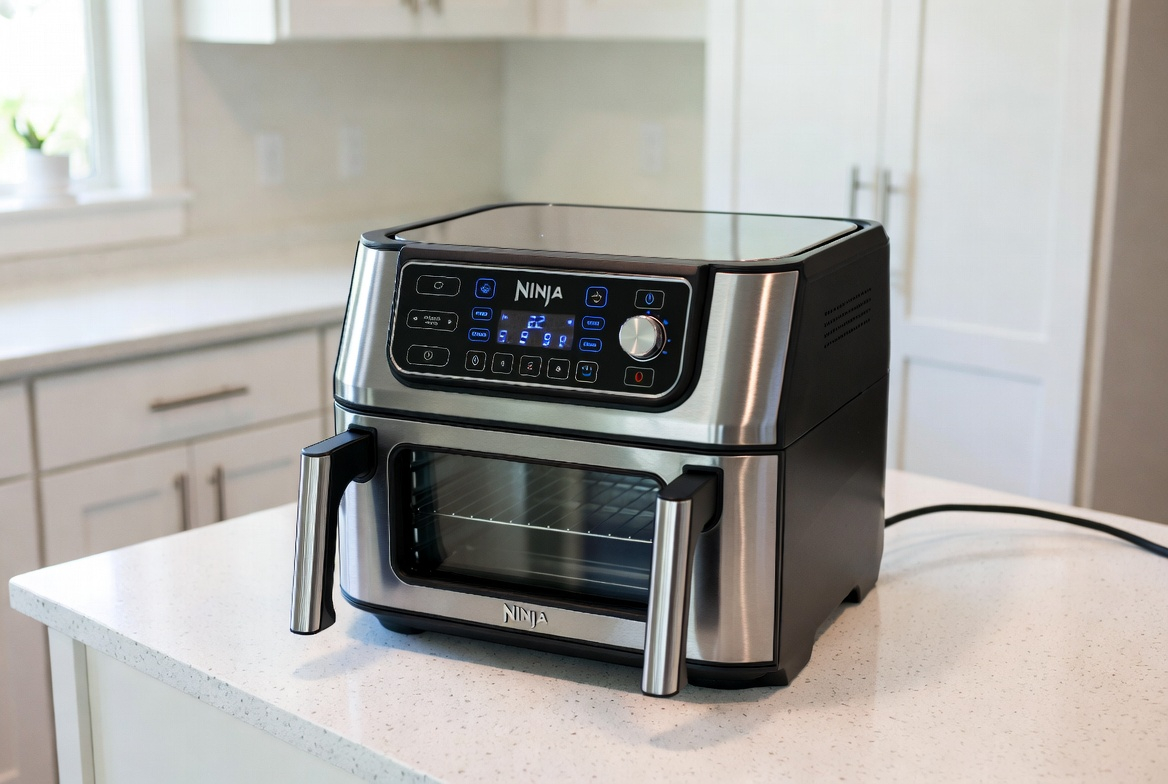
Microwaves vs Air Fryers: Which Kitchen Appliance Is Best for Your Home?
Let me be honest with you—when I first started comparing microwaves and air fryers, I felt overwhelmed by all the conflicting information out there. You’ve probably felt the same way. Both appliances promise to save you time in the kitchen, but they work in completely different ways and serve different purposes. So which one should you actually bring into your home?
The truth is, there’s no one-size-fits-all answer. But by the end of this guide, you’ll understand exactly what each appliance does best, how they compare in terms of cost, health benefits, and convenience, and most importantly, which one aligns with your lifestyle and cooking needs.
Understanding the Basics: How Microwaves and Air Fryers Work
Before we dive into the comparison, it’s crucial to understand the fundamental difference between these two kitchen workhorses. Think of it like comparing a car and a motorcycle—they both get you where you need to go, but the journey is completely different.
How Microwaves Function
A microwave uses electromagnetic radiation to heat food from the inside out. When you pop your leftover pizza into the microwave and hit the button, what’s actually happening is pretty fascinating. The microwave generates waves that agitate water molecules in your food, creating friction and heat. It’s like shaking a soda bottle really fast—the movement generates energy.
This is why microwaves excel at reheating foods that already contain moisture. A cup of coffee? Gone warm in seconds. A plate of yesterday’s pasta? Ready to eat in under a minute. But here’s the catch—because microwaves work by agitating molecules, they can sometimes leave your food unevenly heated or create those weird hot spots that burn your mouth.
How Air Fryers Function
Air fryers, on the other hand, operate using a completely different mechanism. They use rapid air circulation combined with high heat to cook food. Imagine a mini convection oven that’s been supercharged. The heating element sits at the top, and a powerful fan circulates extremely hot air around your food at incredibly high speeds, usually between 300 and 400 degrees Fahrenheit.
This rapid air movement creates a crispy exterior through a process called the Maillard reaction—the same chemical reaction that happens when you sear a steak in a hot pan. That’s why air fryer enthusiasts rave about the crispy texture they achieve without deep frying in oil.
Speed and Convenience: Who Wins the Race?
When it comes to pure speed, the microwave absolutely dominates. Nothing beats a microwave for quick reheating and defrosting. Want to warm up your lunch in two minutes? Microwave wins every single time.
Microwave Speed Advantages
- Reheats food in 1-3 minutes on average
- Defrosts meat and frozen items relatively quickly
- No preheating time required
- Perfect for warming beverages instantly
- Ideal for cooking frozen vegetables
The microwave is the sprinter of kitchen appliances. You need something hot right now, and it delivers without hesitation. I’ve relied on my microwave countless times when I’ve forgotten to take something out of the freezer ahead of time.
Air Fryer Speed Considerations
Now, air fryers aren’t slow, but they do require a bit more patience. Most air fryers need about 3-5 minutes of preheating before you even start cooking. Then, depending on what you’re cooking, you’re looking at anywhere from 10 to 25 minutes of actual cooking time. That might sound like a lot compared to the microwave, but here’s the important part—you’re getting far superior results in terms of texture and taste.
When you factor in the superior quality of the finished product, many people find the air fryer time investment worthwhile. It’s like the difference between a quick snack and a proper meal. Both satisfy your hunger, but only one truly delights your palate.
Food Quality and Taste: Making a Real Difference
Microwave Results and Limitations
Here’s where I need to be completely transparent with you. Microwaves are fantastic for certain tasks, but they have some limitations when it comes to food quality. That reheated pizza? It tends to come out either rubbery or with a soggy crust. Your leftover fried chicken loses its crispness and becomes somewhat limp.
The problem is that microwaves heat everything uniformly, which means they can’t recreate that crispy exterior you got when the food was originally cooked. The moisture that was driven out during initial cooking gets reabsorbed, leaving you with a textural disappointment. It’s one of the great microwave frustrations that nearly everyone with a kitchen has experienced.
Air Fryer Results and Quality
Air fryers genuinely deliver superior taste and texture results, especially for foods that benefit from crispiness. We’re talking about vegetables that maintain their integrity while developing a golden, crispy exterior. Chicken wings that come out impossibly juicy on the inside with a satisfying crunch on the outside. Even frozen french fries taste like they came from a proper frying operation—crispy outside, fluffy inside—without the oil.
The reason for this superior quality comes down to how the air fryer operates. By circulating intensely hot air, it creates conditions similar to deep frying but with a fraction of the oil. The Maillard reaction I mentioned earlier happens more readily, creating complex flavors and appealing textures that microwaves simply cannot replicate.
I’ve noticed a substantial difference in my own kitchen. When I reheat restaurant leftovers in my air fryer instead of my microwave, they taste closer to their original quality. For someone like me who occasionally indulges in takeout, that’s genuinely valuable.
Health Considerations: What the Evidence Shows
Microwave Safety and Nutrition
Let’s address a concern that many people have: are microwaves safe? The short answer is yes, absolutely. Microwave ovens are well-insulated and the radiation they use cannot escape or harm you. The radiation they use is non-ionizing, meaning it doesn’t have enough energy to damage DNA or cause cancer. This is well-established scientific fact, despite what some internet articles might suggest.
Regarding nutrition, microwaves can actually preserve nutrients well in some cases because of their speed. Quick cooking means less time for heat-sensitive vitamins to degrade. This is particularly true for vegetables when you’re steaming them with minimal water.
Air Fryer Health Benefits
Air fryers offer distinct health advantages that have made them incredibly popular with health-conscious cooks. The most obvious benefit is that you’re using dramatically less oil compared to traditional frying. A typical deep-fried chicken breast might contain 15-20 grams of fat, while an air-fried version contains only 2-5 grams.
This dramatic reduction in oil consumption means fewer calories and less saturated fat in your diet. For people managing weight or heart health, this is genuinely significant. You get foods that taste indulgent and satisfying without the guilt or the nutritional burden of traditional frying.
There’s also growing evidence that air fryers may produce fewer harmful compounds than some traditional cooking methods. When foods are cooked at extremely high temperatures, they can develop compounds like acrylamide. Air fryers, while hot, don’t necessarily exceed the temperatures of conventional ovens or stovetop cooking, so this isn’t necessarily a downside compared to other methods.
Cost Comparison: Initial Investment and Operating Expenses
Microwave Costs
When it comes to price, microwaves are the budget-friendly option. You can find a decent quality microwave for anywhere from 60 to 150 dollars. Even premium models with fancy features rarely exceed 300 dollars. That’s an incredibly low barrier to entry.
Operating costs are also minimal. Microwaves consume less electricity than air fryers, so your energy bills won’t take much of a hit. Over the course of a year, a microwave might add 20 to 40 dollars to your electricity costs, depending on usage.
Air Fryer Costs
Air fryers represent a bigger investment upfront. You’re typically looking at 80 to 200 dollars for a quality unit, with premium models running even higher. If you want a larger capacity air fryer or one with multiple cooking zones, you could spend 300 dollars or more.
The operating costs are also slightly higher because air fryers use more electricity due to their heating element and fan. You might see an additional 30 to 60 dollars per year on your electricity bill if you use an air fryer regularly.
However—and this is important—if an air fryer means you’re ordering takeout less frequently because you can now cook restaurant-quality meals at home, the savings from reduced dining out will quickly offset the higher appliance cost. I’ve definitely seen this play out in my own household.
Storage and Space Requirements
Microwave Space Considerations
Microwaves come in various sizes, and this is actually one area where they have flexibility. You can get a compact microwave that takes up minimal counter space, or a larger unit with more interior volume. Many people mount them above their stove or hide them in a cabinet, making them relatively unobtrusive.
The footprint is generally small to moderate, which works well in kitchens where space is at a premium. If you live in an apartment or have a small kitchen, a microwave is usually easier to accommodate.
Air Fryer Space Considerations
Air fryers, unfortunately, require more counter space. Most models are taller than they are deep, but they still occupy a noticeable footprint. Depending on the model, you’re looking at something that takes up roughly the same space as a toaster oven, maybe a bit less.
This is one of the legitimate trade-offs. If you’re already tight on kitchen counter space, adding an air fryer might require you to shuffle things around or find storage solutions. That said, for many people, the superior cooking results make this sacrifice worthwhile.
Versatility: What Can Each Appliance Really Do?
Microwave Capabilities
Microwaves excel at specific tasks and they do those tasks brilliantly. They’re phenomenal for:
- Reheating almost any food item
- Defrosting frozen foods quickly
- Steaming vegetables with minimal effort
- Warming beverages
- Cooking certain dishes from scratch, like mug cakes or steamed fish
- Melting chocolate or butter
- Softening cream cheese or other dairy products
What microwaves don’t do well is create crispy, textured foods or cook items from scratch that benefit from browning and caramelization. They’re specialists, not generalists.
Air Fryer Capabilities
Air fryers are more versatile in the cooking department. You can use them to:
- Cook frozen foods perfectly (fries, wings, nuggets)
- Reheat leftovers while maintaining texture and crispiness
- Cook fresh vegetables with a satisfying crunch
- Bake items like cookies, cakes, and pastries
- Cook meats and proteins with excellent results
- Make homemade snacks and appetizers
- Roast vegetables until caramelized and tender
- Cook pizza, which comes out crispy underneath
The air fryer is definitely the more versatile cooking tool. It can handle a much wider range of recipes and cooking techniques, from simple frozen food preparation to more ambitious culinary projects.
Noise Levels and Kitchen Impact
Microwave Noise Profile
Microwaves are generally quiet appliances. You’ll hear a gentle hum while they’re running and maybe a beep when they’re done, but they won’t disturb a conversation or interrupt you while you’re working. This is one of their overlooked advantages, especially if you live in a small space with family members who might be sleeping or working from home.
Air Fryer Noise Profile
Air fryers are noticeably louder. The fan that circulates the hot air creates a constant, distinctive whooshing sound while the appliance is operating. It’s not unbearably loud, but it’s definitely noticeable. Some people don’t mind it at all, while others find it annoying, especially if they use their air fryer frequently or have noise-sensitive family members.
This is a practical consideration that doesn’t get discussed enough. If you work from home and use the air fryer while on video calls, your colleagues will definitely hear it in the background.
Learning Curve and Ease of Use
Microwave User Experience
There’s essentially zero learning curve with a microwave. You put food in, you push buttons, and you’re done. Even if you’ve never used a microwave before, you’d figure it out within seconds. This extreme simplicity is actually a huge part of why microwaves remain so popular despite their limitations.
Air Fryer User Experience
Air fryers are also quite user-friendly, though there’s slightly more to learn. You need to understand temperature settings, cooking times for different foods, and how to arrange items in the basket for optimal air circulation. However, most air fryers come with comprehensive guides, and you’ll develop good intuition after just a few uses.
I’d say there’s a slight learning curve, but it’s not steep. After cooking five or six different things in an air fryer, you’ll feel confident and know what to expect.
Durability and Longevity
Microwave Lifespan
A quality microwave typically lasts 8 to 10 years with regular use. Some people report their microwaves lasting even longer. The technology is simple and reliable, with few moving parts, which is why they’re so dependable. When they do fail, it’s often the magnetron (the component that generates the radiation) that gives out, and replacement isn’t always economical.
Air Fryer Lifespan
Air fryers are newer technology, so we don’t have as much long-term data, but early indications suggest they should last a comparable 8-10 years or longer. They have more components than microwaves (the heating element, the fan, the timer mechanism), which means there are more things that could potentially fail. However, most air fryers seem to be quite durable so far.
The heating element can sometimes have issues, and fan problems occasionally develop, but overall, air fryers seem built to last if you treat them well.
Environmental Impact: Which Is More Sustainable?
From an environmental perspective, both appliances are relatively low-impact compared to eating out frequently or ordering delivery. Neither requires special supplies, filter replacements, or consumables like some other cooking methods.
Microwaves use less electricity per minute of operation, making them slightly more energy-efficient. Air fryers use more energy, but they could reduce your overall environmental footprint if they mean you’re cooking at home more frequently instead of driving to restaurants or ordering delivery.
In terms of lifespan, both appliances should last nearly a decade, so you’re not replacing them frequently. The manufacturing impact should be relatively small when amortized over their useful life.

![What Is The Best Chicken Seasoning for Air Fryer [In 2026]](https://homeunderstandable.com/wp-content/uploads/2026/03/Best-Chicken-Seasoning-for-Air-Fryer-768x516.jpg)
![What Is The Best Chicken Tender Recipe for Air Fryer [In 2026]](https://homeunderstandable.com/wp-content/uploads/2026/03/Best-Chicken-Tender-Recipe-for-Air-Fryer-768x516.jpg)

![5 Best Air Fryer for 4 [In 2026]](https://homeunderstandable.com/wp-content/uploads/2026/03/5-Best-Air-Fryer-for-4.jpg)