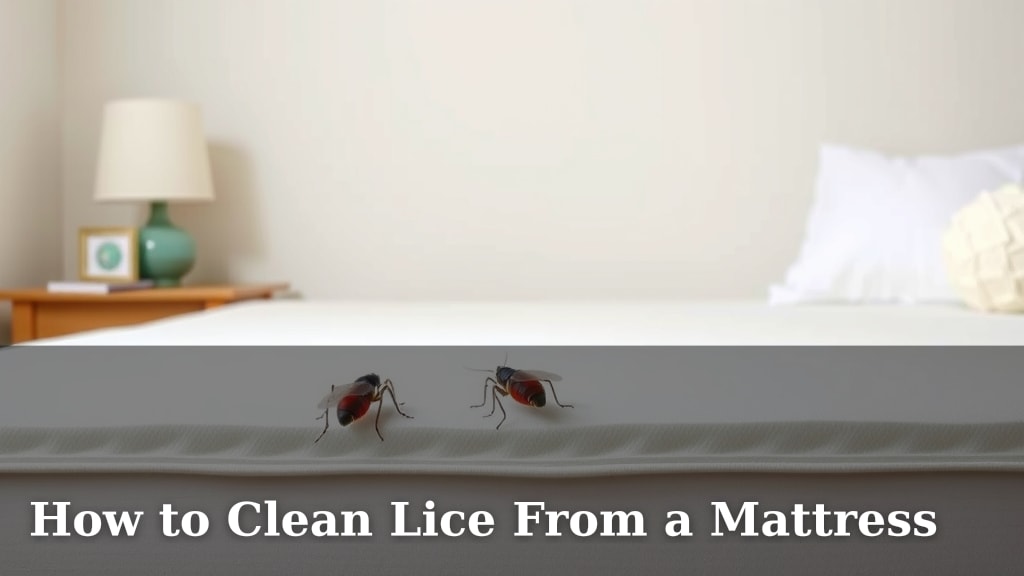
How to Clean Lice From a Mattress
The best way to clean lice from a mattress is with a thorough vacuuming, followed by a steam cleaner or a lice-specific spray. You can effectively remove lice and their eggs from your mattress using simple household items and a bit of elbow grease. Don’t let the thought of it make you itchy; tackling it is easier than you think!
Dealing with a lice infestation means checking and cleaning everywhere. Your mattress is a prime spot for lice to hide and reproduce. This means a deep clean is essential to ensure all the tiny critters are gone for good. We’ll guide you through making your bed a lice-free zone.
- Vacuum your mattress thoroughly.
- Use a lice-killing spray or steam cleaner.
- Wash all bedding in hot water.
- Seal non-washable items in a plastic bag.
- Consider professional cleaning if needed.
Let’s walk through exactly how to get your mattress and bedding completely free of lice, step by step.
So, lice have decided to set up a tiny, unwelcome vacation home on your mattress? Don’t panic! While the thought can make your skin crawl, getting your mattress clean of lice and their eggs is entirely doable. It just takes a bit of systematic effort. We’ll get your sleeping space back to being a lice-free sanctuary.
Getting Your Mattress Lice-Free
The key to a clean mattress is a multi-pronged attack. Lice are tenacious little bugs, but they have weaknesses. We need to exploit them.
Step 1: The Mighty Vacuuming Session
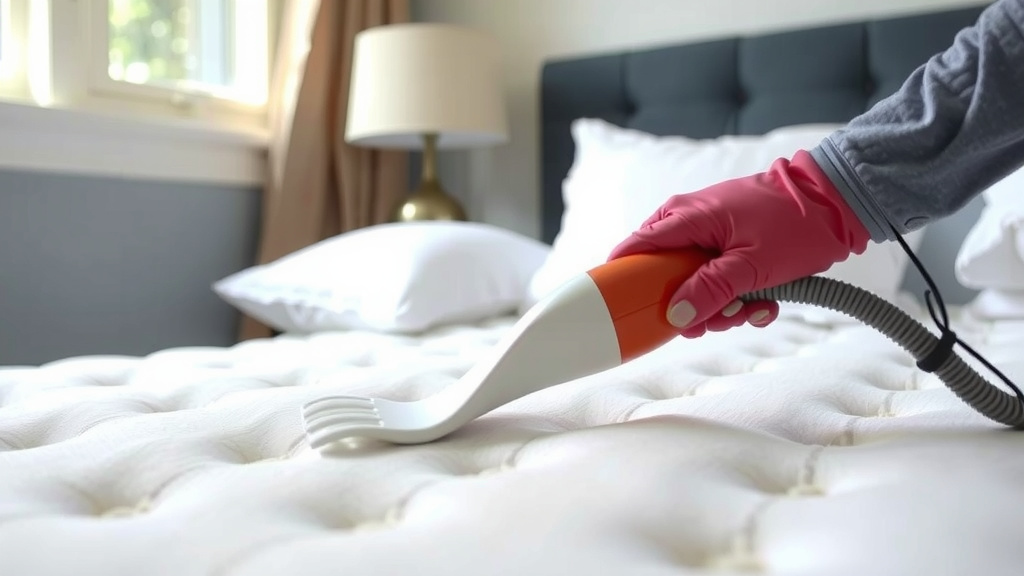
This is your first line of defense. A good vacuuming session can remove a surprising number of lice and eggs. You’ll want to be thorough. Think of yourself as a lice detective, searching every nook and cranny. Get into the seams, the piping, and under any tags.
Choosing the Right Vacuum Attachment
Use the upholstery attachment for the main mattress surfaces. For tighter spots like seams and crevices, a crevice tool is your best friend. Make sure your vacuum bag or canister is clean before you start. This prevents lice from escaping back into the air.
The Vacuuming Technique
Work in slow, overlapping strokes. Go over each section of the mattress at least twice. Don’t forget the sides and the very bottom edges. If you have a removable mattress cover, vacuum that thoroughly too, both inside and out.
Immediate Disposal of Debris
Once you’re done, take the vacuum bag or canister outside immediately. Seal the bag in a plastic garbage bag and dispose of it in an outdoor trash bin. If you have a bagless vacuum, empty the canister into a sealed plastic bag and then clean the canister thoroughly.
Step 2: Applying Lice-Killing Treatments
Vacuuming gets the visible and loose lice. Now, you need to tackle any remaining live lice or stubborn eggs that might be clinging to the mattress fibers. You have a couple of effective options here.
Option A: Steam Cleaning for a Deep Clean
Many experts recommend steam cleaning for killing lice and nits. The intense heat from steam is lethal to them. You can rent a steam cleaner or use one you already own.
- Ensure your steam cleaner reaches a high temperature (at least 130°F or 54°C).
- Move the steamer slowly over the mattress surface.
- Pay extra attention to seams and quilting where lice love to hide.
- Allow the mattress to dry completely before making the bed. This is important to prevent mold.
The CDC recommends that heat treatments for lice should reach sufficient temperatures to kill lice and eggs. Steam cleaning meets this requirement when done properly (CDC).
Option B: Using a Lice-Specific Spray
There are sprays designed specifically to kill lice and their eggs. These can be very effective when used correctly.
- Choose a product labeled for killing lice and nits on surfaces.
- Read and follow the product instructions carefully. Some require ventilation.
- Test the spray on an inconspicuous area of the mattress first. This is to check for any staining or damage.
- Apply the spray evenly to the mattress surface, focusing on areas where lice might hide.
- Allow the mattress to air out completely. Ensure it is dry to the touch before covering it.
Many of these sprays contain insecticides. It’s wise to use them in a well-ventilated area. Ensure there’s no direct contact with skin after treatment until the mattress is dry.
Step 3: Addressing Bedding and Linens
Your mattress is only one part of the equation. The lice probably haven’t been *only* on the mattress. All bedding needs a thorough cleaning.
Washing in Hot Water is Key
Strip the bed completely. This includes sheets, pillowcases, blankets, and any duvet covers. Wash everything in the hottest water setting your washing machine allows. For most lice, water temperatures of 130°F (54°C) or higher are needed to kill them (Mayo Clinic).
Drying on High Heat
After washing, dry all items on the highest heat setting in your dryer. The high heat is crucial for killing any remaining lice or eggs. Run the dryer for at least 30 minutes. If items are bulky, they may need longer.
What About Items You Can’t Wash?
Some items, like certain pillows or stuffed animals, might not be washable. For these, the best approach is to seal them in a plastic bag. Leave them sealed for at least two weeks. This suffocates any lice or eggs that might be present. This is a common recommendation from health organizations.
Here’s a quick checklist to make sure you don’t miss a step:
- Vacuum the entire mattress, including seams and edges.
- Dispose of vacuum contents outside immediately.
- Steam clean or use a lice-specific spray on the mattress.
- Wash all bedding in hot water.
- Dry all bedding on high heat.
- Seal non-washable items in a plastic bag for two weeks.
Conclusion
You’ve tackled the lice on your mattress! By thoroughly vacuuming, using a heat treatment like steam, and meticulously cleaning your bedding, you’ve made your bed a lice-free zone again. Remember, consistency is key. This process ensures you’ve eliminated both the adult lice and their eggs, preventing any further infestations.
Take a deep breath knowing your sanctuary is clean. If you have any lingering concerns or find lice elsewhere, repeat the cleaning steps. Your diligence has paid off, and you can now enjoy a comfortable, itch-free sleep.
Frequently Asked Questions
How often should I vacuum my mattress for lice?
You should vacuum your mattress thoroughly as the very first step in your lice removal process. After the initial deep clean, it’s not typically necessary to vacuum the mattress repeatedly unless you suspect a re-infestation.
Can I use household cleaning sprays on my mattress for lice?
It’s best to use products specifically designed for killing lice and nits on surfaces. Regular household cleaners may not be effective against lice and could potentially damage your mattress or pose a health risk.
What temperature is hot enough to kill lice in the washing machine?
Research and expert recommendations suggest washing items in water that is at least 130°F (54°C) to effectively kill lice and their eggs. Always check your garment care labels before washing.
How long do lice live on a mattress if not treated?
Lice cannot survive for long off a human host. They typically die within 24 to 48 hours on surfaces like a mattress if they cannot feed. However, their eggs can remain viable for longer if not killed.
Is it safe to sleep on a mattress right after using a lice spray?
No, you should not sleep on the mattress immediately after using a lice spray. Always allow the mattress to air out completely and dry to the touch according to the product’s instructions to ensure it’s safe.