
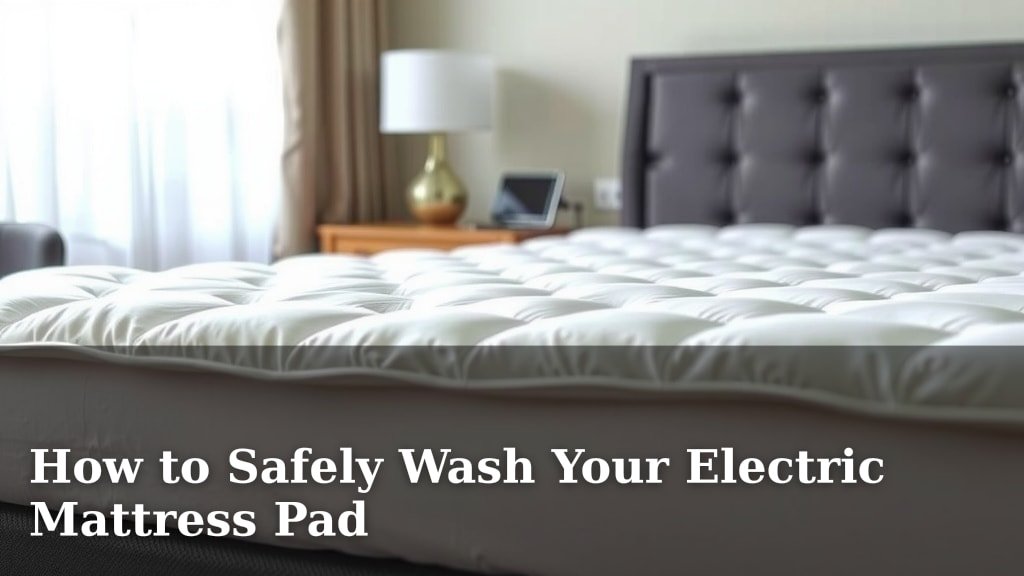
How to Safely Wash Your Electric Mattress Pad
Yes, you can wash your electric mattress pad, but it requires a gentle touch. Most electric pads are machine washable, but never put them in the dryer. Always check the manufacturer’s tag for specific care instructions first.
Keeping your electric mattress pad clean is essential for a cozy and healthy sleep. Over time, spills and body oils can accumulate. Regular cleaning helps maintain its performance and ensures a fresh sleeping surface. You’ll want to follow a few key steps to avoid damaging the internal wiring.
- Always check the care label first.
- Machine wash on a gentle or delicate cycle.
- Use mild detergent, not bleach.
- Never use a machine dryer.
- Air dry completely before plugging in.
Let’s walk through exactly how to get your electric mattress pad clean and ready for cozy nights again.
Caring for Your Electric Mattress Pad
Your electric mattress pad is a cozy comfort, but it needs proper care. You can absolutely wash it! The key is to be gentle. Most pads are machine washable, but they have a few quirks. We’ll guide you through the process to keep it working wonderfully.
Before You Begin: Checking the Tag
Think of the manufacturer’s tag as your pad’s personal instruction manual. It’s the most important first step. You’ll find it attached to a corner or seam. This tiny tag holds the secrets to safe washing and drying.
Why the Tag Matters
Electric mattress pads have internal heating wires. These are delicate! Washing them improperly can damage these wires. This could lead to uneven heating or stop the pad from working altogether. Following the tag’s advice prevents this damage. Many guidelines point to checking the tag as a critical first step (Good Housekeeping).
Common Care Symbols
You might see symbols instead of words. A tub with water and a hand usually means hand wash only. A tub with a number indicates the maximum water temperature. A triangle with an ‘X’ means do not bleach. Knowing these can help decode the instructions.
Washing Your Electric Mattress Pad in the Machine
Yes, your electric pad can likely go into your washing machine. It’s often the easiest method. Just remember to be gentle with it, like you would a delicate sweater.
Preparing the Pad for Washing
First, detach any cords. Make sure the connectors are clean and dry before you start. Gently inspect the pad for any obvious stains or spots. Pre-treating these can help. You can use a mild stain remover specifically designed for fabrics.
Choosing the Right Cycle and Settings
Select the gentle or delicate cycle on your washing machine. These cycles use less agitation, which is kinder to the internal wires. Use cold or lukewarm water. Hot water can sometimes damage the delicate components.
Detergent Choices
Opt for a mild liquid detergent. Avoid harsh chemicals, bleach, or fabric softeners. Bleach can degrade the fabric and the wiring insulation. Fabric softeners can leave a residue that might affect the pad’s performance. A small amount of mild detergent is usually enough.
Loading the Machine
Wash the electric mattress pad by itself. Don’t cram it in with other laundry. This allows the pad to move freely in the water. It also ensures it gets thoroughly rinsed. Overcrowding can lead to poor cleaning and rinsing.
Rinsing and Draining
Ensure your machine completes its full rinse and spin cycle. A good rinse removes all detergent residue. The spin cycle helps remove excess water, which speeds up the drying process.
What NOT to Do: Drying and Storage
This is where many people make a mistake. Drying is a critical step to get right. Mishandling the drying process can ruin your pad.
The Cardinal Rule: No Machine Dryer!
Never, ever put your electric mattress pad in a machine dryer. The heat from a dryer is too intense. It can melt the wires, damage the fabric, and ruin the heating elements. Research consistently shows that high heat is the enemy of electronic components in textiles (Consumer Product Safety Commission).
Air Drying Your Mattress Pad
Air drying is your only safe option. The best way is to lay the pad flat on a clean surface. A large drying rack works well, too. Ensure good air circulation around the pad. You can also hang it over a shower rod or clothesline, but be careful not to stretch it out of shape.
Ensuring It’s Completely Dry
This step is non-negotiable. Your electric mattress pad must be completely dry before you plug it in. Dampness and electricity are a dangerous combination. It can cause short circuits and damage the pad. It can also be a safety hazard.
Gently feel all parts of the pad, especially around the edges and seams. If you feel any hint of dampness, let it air dry longer. Patience here prevents future problems.
Hand Washing Your Electric Mattress Pad (If Necessary)
If the tag specifically says “hand wash only,” or if you’re just feeling extra cautious, hand washing is a viable option. It takes more time but is very gentle.
Filling the Tub
Use a clean bathtub or a large basin. Fill it with cool or lukewarm water. Add a small amount of mild liquid detergent. Swish the water around to distribute the detergent.
Gentle Agitation and Soaking
Submerge the mattress pad in the soapy water. Gently press down on it and swish it around. Avoid wringing, twisting, or stretching the pad aggressively. You can let it soak for about 10-15 minutes for a good clean.
Rinsing Thoroughly
Drain the soapy water. Refill the tub or basin with clean, cool water. Gently press the pad to rinse out the soap. You might need to repeat this rinsing process several times. Keep rinsing until the water runs clear and there are no more suds.
Removing Excess Water
Gently squeeze out as much water as you can without twisting. You can also roll the pad up tightly to press out more water. Then, proceed to the air-drying steps mentioned earlier.
A Quick Checklist for Washing Your Electric Pad
Here’s a handy checklist to keep your electric mattress pad clean and safe:
- Always check the care tag first.
- Unplug and detach cords before washing.
- Use the gentle/delicate machine cycle or hand wash.
- Use mild detergent, never bleach.
- Air dry completely; never use a machine dryer.
- Ensure pad is 100% dry before plugging in.
Conclusion
You’ve learned that washing your electric mattress pad is definitely doable! The key is prioritizing safety and gentleness. Always start by checking that manufacturer’s tag. Remember to use the delicate cycle and mild detergent for machine washing, or opt for hand washing if preferred. Most importantly, never put it in the dryer; air dry it completely to avoid damage and ensure safety. By following these steps, you’ll keep your electric mattress pad clean, cozy, and functioning perfectly for many restful nights to come. Your next step is to grab your pad and check that tag before its next wash!
Frequently Asked Questions
Can I use bleach on my electric mattress pad?
No, you should never use bleach on your electric mattress pad. Bleach can weaken the fabric and potentially damage the delicate internal wiring. Always opt for a mild detergent to keep your pad safe and clean.
How long does it take for an electric mattress pad to air dry?
Air drying time can vary, but it typically takes at least 24-48 hours. Ensure good air circulation and lay it flat to speed up the process. It’s essential that it’s 100% dry before you plug it back in.
What if my electric mattress pad has a stain?
For minor stains, you can try spot treating with a mild detergent or fabric stain remover before washing. Gently rub the area. Always test any cleaning solution on an inconspicuous spot first to ensure it doesn’t damage the fabric.
Can I plug in my electric mattress pad if it feels slightly damp?
Absolutely not. Plugging in a damp electric mattress pad is a safety hazard and can damage the internal components. Wait until you are certain it is completely dry to the touch throughout.
How often should I wash my electric mattress pad?
Washing frequency depends on usage. Generally, washing it once or twice a year is sufficient. If you spill something or notice odors, clean it sooner rather than later. Always prioritize checking the care tag for specific recommendations.
![What Is The Best Mattress Topper for Neck And Back Pain [In 2026]](https://homeunderstandable.com/wp-content/uploads/2025/06/best-mattress-topper-for-neck-and-back-pain.jpg)
![7 Best Mattress Protector For Bed Wetting Uk [2026]](https://homeunderstandable.com/wp-content/uploads/2026/07/7-best-mattress-protector-for-bed-wetting-uk-2026-featured-768x432.jpg)
![What Is The Best Cleaner for a Mattress [In 2026]](https://homeunderstandable.com/wp-content/uploads/2025/06/best-cleaner-for-a-mattress.jpg)