
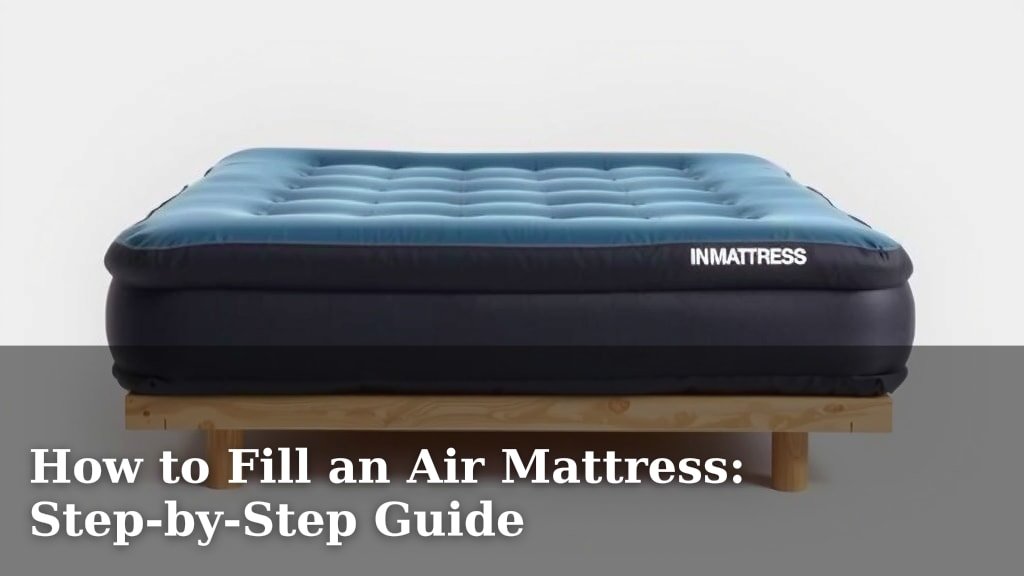
How to Fill an Air Mattress: Step-by-Step Guide
Filling an air mattress is generally a quick and straightforward process. Most modern air mattresses come with a built-in pump, making inflation as simple as plugging it in and flipping a switch. For models without a built-in pump, you’ll typically use an external electric pump or a manual hand pump to inflate it.
Knowing how to properly fill your air mattress ensures a comfortable and stable sleeping surface for guests or for your own temporary use. Whether you’re dealing with a queen-size bed for camping or a smaller twin for unexpected visitors, the basic steps remain the same. We’ve found that proper inflation is key to its longevity, too.
- Use the built-in pump if your mattress has one.
- Alternatively, connect an external electric or manual pump.
- Ensure the valve is sealed after inflation.
- Don’t over-inflate, which can damage the mattress.
- Check for leaks periodically after filling.
Let’s walk through exactly how to fill your air mattress, step by step, so you can get it ready for use without any fuss.
Inflating Your Air Mattress: A Step-by-Step Guide
Filling your air mattress is usually a simple task. Most come with a way to inflate them built right in. We found that following a few key steps ensures a well-inflated and comfortable bed. This guide will help you get it done right the first time.
Getting Your Air Mattress Ready for Inflation
Before you plug anything in or start pumping, there are a few things you should do. Preparation makes the inflation process smoother. It also helps prevent common issues like leaks or damage to your mattress.
Choose the Right Location
Find a clean and flat surface for your air mattress. You don’t want any sharp objects underneath. Think about where you’ll be placing the bed. Is it on carpet, wood, or perhaps outdoors?
Research suggests that placing a tarp or blanket underneath can add an extra layer of protection. This is especially true if you’re using it on rougher surfaces. It helps prevent punctures and keeps the mattress cleaner.
Unpack and Inspect
Carefully unpack your air mattress. Lay it out flat. Take a moment to look for any visible damage. Check for small holes, tears, or issues with the valve.
If you notice any problems right away, it’s best to contact the manufacturer. Most products come with a warranty. Dealing with issues before you inflate it saves a lot of hassle.
Locate the Air Valve
The air valve is where you’ll either let air out or let air in. Most air mattresses have one main valve. It might be a single opening or have multiple parts.
Some newer models have an integrated pump, meaning there’s no separate valve to worry about. Others might have a small cap you need to remove. Always consult your mattress’s manual if you’re unsure. We found that knowing your specific model is key.
Methods for Inflating Your Air Mattress
There are a few common ways to inflate an air mattress. The method you use depends on the type of mattress you have. Each method has its own simple steps.
Using a Built-In Electric Pump
Many modern air mattresses feature a built-in electric pump. This is often the easiest and fastest method. You’ll usually find the pump located on the side or the end of the mattress.
First, ensure the inflation valve is properly positioned. It might be a switch or a dial. Plug the power cord into a standard electrical outlet. Turn the pump on. You’ll hear it start to inflate the mattress.
Keep an eye on the mattress as it fills. Over-inflation can cause damage. Many pumps will automatically shut off when the bed is firm. If yours doesn’t, turn it off manually once it feels right. Many experts recommend stopping before it feels rock-hard.
Using an External Electric Pump
If your mattress doesn’t have a built-in pump, an external one is a great option. These are widely available and work for most air mattresses.
Attach the pump’s nozzle to the air valve on your mattress. Make sure it creates a tight seal. Some pumps come with different adapters, so choose the one that fits best. Plug the pump into an outlet and turn it on.
Similar to a built-in pump, watch the mattress as it inflates. Don’t overdo it. Unplug the pump and quickly seal the valve to keep the air inside.
Using a Manual Hand Pump or Foot Pump
These are common for camping air mattresses or when electricity isn’t available. They require a bit more physical effort but are very effective.
Connect the pump to the mattress valve. If it’s a two-way pump, it will inflate on both the push and pull strokes. If it’s a single-action pump, it only inflates on one stroke. Keep pumping until the mattress reaches your desired firmness.
This method can take longer, but it gives you precise control over the inflation level. Many find it’s a good workout too! Remember to seal the valve securely once you’re done pumping.
Using a Battery-Operated Pump
These are a convenient middle ground, especially for travel or camping. They don’t require an outlet but offer faster inflation than manual pumps.
Insert the correct batteries into the pump. Attach the nozzle to the mattress valve, ensuring a good connection. Turn the pump on and supervise the inflation process.
Keep in mind that battery-powered pumps can sometimes be less powerful than electric ones. You might need to finish with a few manual pumps for optimal firmness. We found they’re perfect for situations without power access.
Checking for Proper Inflation and Air Retention
Once your mattress is inflated, it’s important to ensure it’s ready for use. A properly inflated mattress provides the best comfort and support.
The Firmness Test
Sit on the edge of the mattress first. Then lie down completely. Does it feel firm enough to support your body without sagging too much? You shouldn’t feel like you’re sinking to the floor.
On the other hand, it shouldn’t feel like a stiff board. A little give is normal and comfortable. Many sources recommend a firmness that allows you to move easily without bottoming out. This balance is key for a good night’s sleep.
Sealing the Valve
After inflation, make sure the valve is completely closed. If it has a cap, screw it on tightly. If it’s a stopper, push it in firmly. A secure seal prevents air loss.
We’ve heard from many users that a slight leak can make a big difference overnight. A poorly sealed valve is a common culprit for a deflating mattress. Double-check it before you put sheets on.
The Initial Deflation Check
Air mattresses, especially new ones, can sometimes lose a little air in the first few hours. This is often due to the material stretching. It’s normal.
After inflating, leave the mattress for a bit before anyone sleeps on it. If it seems a bit softer than when you first inflated it, simply top it off with a few more pumps. This helps the mattress settle into its shape.
Maintaining Your Inflated Air Mattress
Keeping your air mattress in good shape means it will last longer. Proper care during and after inflation is important.
Avoid Over-Inflation
As mentioned, over-inflating can stress the seams and internal structure of the mattress. This can lead to leaks or even bursting. It’s better to have a slightly softer mattress than one that’s over-inflated.
Think of it like a balloon. If you blow it up too much, it’s more likely to pop. Most air mattress manufacturers advise against over-inflation. A good rule of thumb is to stop when the surface feels firm but still has a slight give.
Regularly Check for Leaks
After the first few uses, it’s a good idea to check for leaks. If the mattress seems to be deflating faster than usual, look for the source.
You can often find small leaks by listening carefully. You might also use soapy water. Apply it to the surface, and look for bubbles. This indicates where the air is escaping. Many repair kits come with patches for small holes. We found these kits to be quite effective.
Here’s a quick checklist to ensure you’ve filled your air mattress perfectly:
- Found a clean, flat spot free of sharp objects.
- Inspected the mattress for any damage before inflating.
- Connected the pump or turned on the built-in pump securely.
- Inflated to a comfortable firmness, avoiding over-inflation.
- Sealed the valve tightly after unplugging the pump.
- Checked the mattress for initial air loss and topped off if needed.
Conclusion
You’ve now learned the essential steps to fill your air mattress like a pro. From finding the perfect spot to sealing the valve tight, each detail ensures a comfortable and stable sleep. Whether you used a built-in pump, an external one, or even a manual pump, the goal is a well-inflated mattress that supports you without sagging. Remember that avoiding over-inflation is key to its lifespan. Now, go ahead and enjoy your newly filled air mattress for a restful night’s sleep!
Frequently Asked Questions
How long should an air mattress stay inflated?
An air mattress should typically hold its inflation for several days, or even weeks, if properly sealed and free of leaks. New mattresses might lose a bit of air initially as the material stretches, which is normal. If it deflates significantly overnight, you likely have a small leak that needs addressing.
Can I use my air mattress outdoors?
Yes, you can use your air mattress outdoors, but it’s highly recommended to protect it. Placing a tarp or heavy blanket underneath will create a barrier against sharp objects and dirt. This helps prevent punctures and keeps the mattress cleaner, extending its life.
What’s the best way to check for air mattress leaks?
A simple way to check for leaks is to inflate the mattress and then listen closely for any hissing sounds. For smaller leaks, you can spread a thin layer of soapy water over the surface and look for bubbles, which will indicate where the air is escaping. Many repair kits come with patches for these small holes.
Is it okay to sleep on an air mattress every night?
While many air mattresses are comfortable for temporary use, they aren’t typically designed for daily, long-term sleeping. Prolonged use can wear down the material and internal structure, leading to faster deflation or damage. For nightly sleeping, a traditional mattress is usually a more durable and supportive option.
My air mattress feels too soft, but I can’t find a leak. What should I do?
If your air mattress feels softer than you’d like but you can’t find any leaks, it might be due to over-inflation followed by expansion or simply not reaching optimal firmness. Try topping it off again, ensuring the valve is completely sealed, and check the firmness level. If it still sags excessively, the pump might not be powerful enough or the mattress may have stretched beyond its optimal capacity.
![7 Best Mattress For Someone With Rheumatoid Arthritis [2026]](https://homeunderstandable.com/wp-content/uploads/2026/06/7-best-mattress-for-someone-with-rheumatoid-arthritis-2026-featured-768x432.jpg)

![7 Best Mattress For Partner Disturbance [2026]](https://homeunderstandable.com/wp-content/uploads/2026/05/7-best-mattress-for-partner-disturbance-2026-featured-768x432.jpg)
![What Is The Best Mattress for Rental Property [In 2026]](https://homeunderstandable.com/wp-content/uploads/2025/06/best-mattress-for-rental-property-enhance-comfort-with-cooling-gel-memory-foam.jpg)