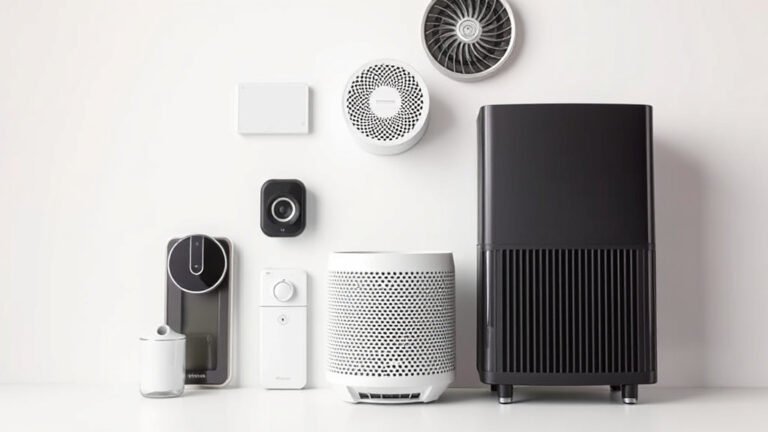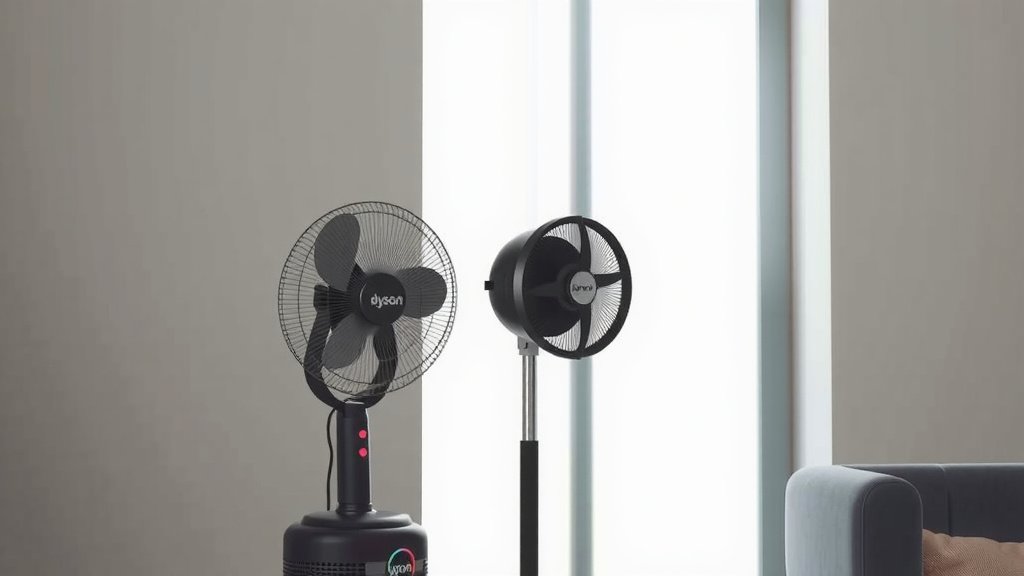
Dyson Fan vs Air Purifier: Which Is Right For You
When deciding between a Dyson fan and a Dyson air purifier, think about your main goal: cooling relief or cleaner air. A Dyson fan is designed to move air effectively for a cooling breeze, while a Dyson air purifier’s primary function is to remove pollutants from your home’s atmosphere.
While some Dyson fans offer air purifying capabilities, they may not match the performance of a dedicated Dyson air purifier, especially for those with severe allergies or air quality concerns. It’s about finding the right tool for the job to ensure you get the most benefit for your specific needs.
- Dyson fans cool and circulate air.
- Dyson air purifiers clean the air of pollutants.
- Some fans have purifying features, but purifiers are specialized.
- Consider your primary need: cooling or clean air.
- Matching the device to your goal ensures best results.
Let’s break down exactly what each Dyson device is best at, so you can make the smartest choice for your home.
You’ve seen the sleek designs and heard the buzz. Dyson makes some impressive home appliances. But when you’re looking at a Dyson fan and a Dyson air purifier, it’s easy to get a little confused. Aren’t they kind of the same thing? Well, not exactly. They each have a special job to do in your home.
Understanding the Core Difference: Cooling vs. Cleaning
The main distinction boils down to their primary purpose. Think of it like choosing between a powerful fan and a dedicated air filter. One is built to make you feel cooler, the other to make your air breathable.
What Does a Dyson Fan Do Best?
A Dyson fan is engineered to move air. Its core function is to create airflow. This airflow provides a cooling effect, much like a natural breeze on a warm day. These fans are designed for comfort, helping to circulate air and make a room feel more pleasant when the temperature rises.
Many Dyson fans use their signature bladeless technology. This not only looks modern but also makes them safer around children and pets. They can also oscillate to cover a wider area, ensuring the airflow reaches you wherever you are in the room.
What is a Dyson Air Purifier For?
A Dyson air purifier, on the other hand, is all about air quality. Its main goal is to capture tiny particles that you can’t see. We’re talking about things like dust, pollen, pet dander, and even certain gases. These can all impact how you feel and breathe in your home.
These devices are equipped with advanced filtration systems. They pull in air from your room and pass it through multiple filters. This process removes pollutants, leaving the air cleaner and fresher. Many experts agree that good indoor air quality can contribute to overall well-being (EPA).
When a Fan Becomes More Than Just a Fan
Now, here’s where things can get a little nuanced. Dyson has some devices that blur the lines a bit. You might find a Dyson fan that also claims to purify the air. This can be a great option for some households, but it’s important to understand its capabilities.
Hybrid Devices: Fan + Purifier Combos
These are often referred to as Dyson air purifiers that also function as fans, or vice versa. They are designed to offer dual functionality. You get the benefit of air circulation for cooling, plus some level of air purification. This can be very convenient, saving you space and potentially money.
The purification in these hybrid models is usually effective for general air cleaning. They are great for capturing common allergens and reducing everyday odors. Many research studies show that HEPA filters are highly effective at removing airborne particles (National Institute of Environmental Health Sciences).
The Trade-offs of a Combined Unit
While convenient, these hybrid devices might not offer the same level of purification as a dedicated Dyson air purifier. Think of it like a multi-tool versus a specialized tool. A multi-tool can do many things reasonably well, but a chef’s knife is far better for chopping vegetables.
A dedicated purifier often has a more robust filtration system and a higher Clean Air Delivery Rate (CADR). This means it can clean a larger volume of air more quickly. If you have severe allergies or live in an area with poor outdoor air quality, a dedicated unit might be a better investment for your health.
Key Features to Compare
When you’re weighing your options, think about what features matter most to you. Both fans and purifiers have specific technologies that set them apart.
Air Movement and Cooling Power
For fans, the focus is on airflow. How powerfully can it move air? How widely does it distribute it? Dyson fans are known for their consistent airflow and quiet operation. They offer different speed settings to control the intensity of the breeze.
Consider the room size you need to cool. A larger room might require a fan with a wider oscillation range or a more powerful motor. You want to feel that cooling effect without the unit being too loud or obtrusive.
Filtration Technology and Effectiveness
This is where air purifiers shine. They use filters like HEPA (High-Efficiency Particulate Air) and activated carbon. HEPA filters are designed to capture 99.97% of particles as small as 0.3 microns. Activated carbon filters help remove gases and odors.
When looking at purifiers, check their CADR ratings. This tells you how quickly the unit can filter different types of pollutants like dust, smoke, and pollen. Some Dyson purifiers also offer real-time air quality monitoring, displaying the level of pollutants in your home.
Smart Features and Connectivity
Many modern Dyson devices come with smart capabilities. You can often control them via a smartphone app or voice commands. This allows you to adjust settings, schedule operation, and even check air quality reports remotely.
This connectivity is available on both fan-only models and hybrid purifiers. It adds a layer of convenience, letting you manage your home environment even when you’re not there. You can set your purifier to start cleaning before you get home or ensure your fan is running to cool down the room on a hot day.
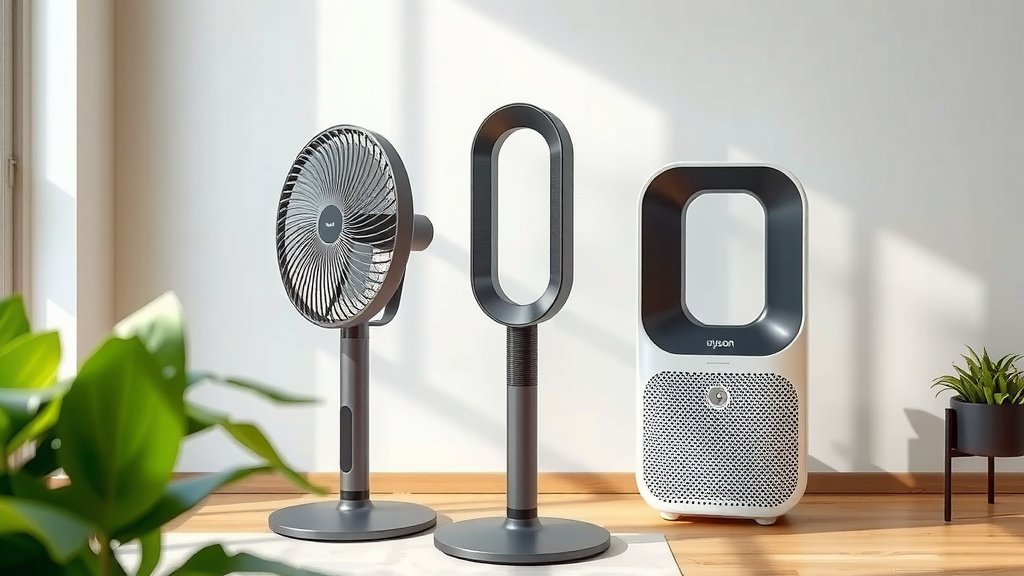
Making Your Choice: What’s Your Priority?
So, how do you decide which Dyson is right for your home? It really comes down to what you need most.
Scenario 1: You Need a Cool Breeze
If your primary concern is beating the heat and you don’t have major air quality issues, a Dyson fan is likely your best bet. You’ll get effective cooling and air circulation with that signature Dyson design and safety features.
Scenario 2: You Need Cleaner Air for Health Reasons
If you or someone in your household suffers from allergies, asthma, or is sensitive to pollutants, a Dyson air purifier is the way to go. Its dedicated filtration system will work tirelessly to remove allergens, dust, and other harmful particles from your air.
Scenario 3: You Want Both, With Compromises
If you’d like the convenience of both cooling and purification and your air quality concerns are moderate, a hybrid Dyson fan/purifier could be a perfect fit. It offers a good balance and saves space.
Here’s a quick checklist to help you decide:- Do you primarily want to feel cooler?
- Are you concerned about allergens like dust or pollen?
- Does anyone in your home have respiratory issues?
- Do you want to reduce odors in your home?
- Is space or budget a major consideration?
- How important is advanced air quality monitoring to you?
By considering these questions, you can confidently choose the Dyson that will best serve your needs and help you create a more comfortable and healthier home environment.
Conclusion
Choosing between a Dyson fan and an air purifier comes down to your home’s unique needs. If you’re mainly looking to beat the heat and circulate air, a Dyson fan is your go-to. For those battling allergies, asthma, or seeking better indoor air quality, a dedicated Dyson air purifier offers superior filtration. Hybrid models provide a convenient compromise for moderate concerns. Consider what matters most—cooling comfort or air purity—and make your choice with confidence. Your next step is to browse models that best match your priority for a more comfortable and healthier living space.
Frequently Asked Questions
Can a Dyson fan really purify the air?
Some Dyson fans do have purifying capabilities, often using HEPA filters to capture common allergens and dust. However, they are not as powerful as a dedicated Dyson air purifier. For significant air quality concerns, a separate purifier is recommended.
Which Dyson is better for allergies?
For allergy sufferers, a dedicated Dyson air purifier is generally the better choice. These units have more robust filtration systems designed to capture a higher percentage of allergens like pollen, pet dander, and dust mites.
Do I need a separate fan and purifier if I have a hybrid Dyson?
If you have a hybrid Dyson fan and purifier, you likely won’t need a separate fan. The hybrid unit provides both air circulation for cooling and a level of air purification. It’s designed to be your all-in-one solution for moderate needs.
How often do I need to replace filters in a Dyson air purifier?
Filter replacement schedules vary by model and usage. Generally, Dyson recommends replacing HEPA and carbon filters annually. Your Dyson device or app will often alert you when it’s time for a change, ensuring optimal performance.
Are Dyson air purifiers loud?
Dyson air purifiers are designed for quiet operation, especially on lower settings. While you might hear some fan noise at higher speeds when it’s working hard to clean the air, they are generally considered quieter than many other air purification systems.

![What Is The Best Air Purifier for 600 Sq Ft [In 2026]](https://homeunderstandable.com/wp-content/uploads/2025/06/best-air-purifier-for-600-sq-ft.jpg)