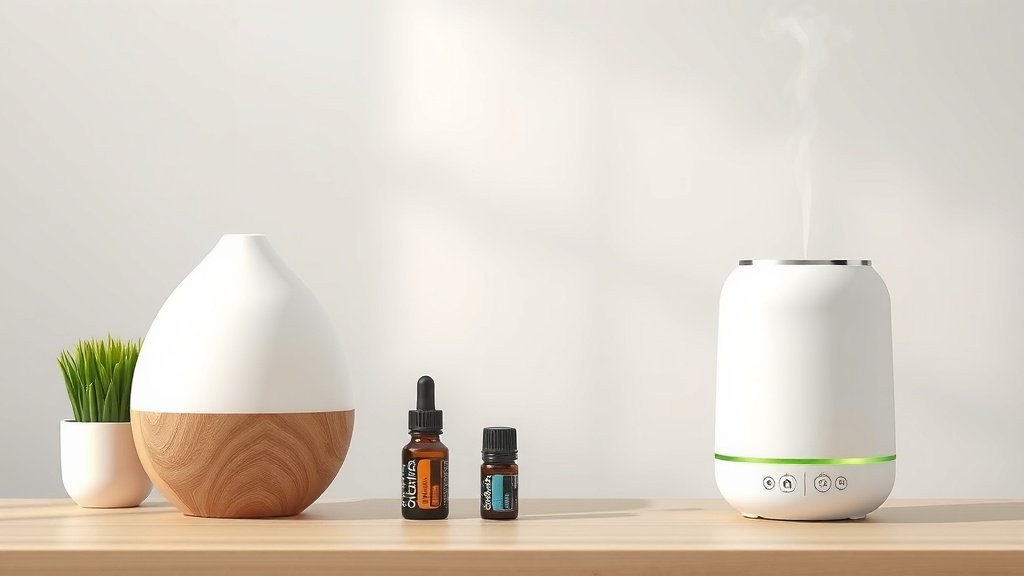
Essential Oil Diffuser vs Air Purifier: Which is Better
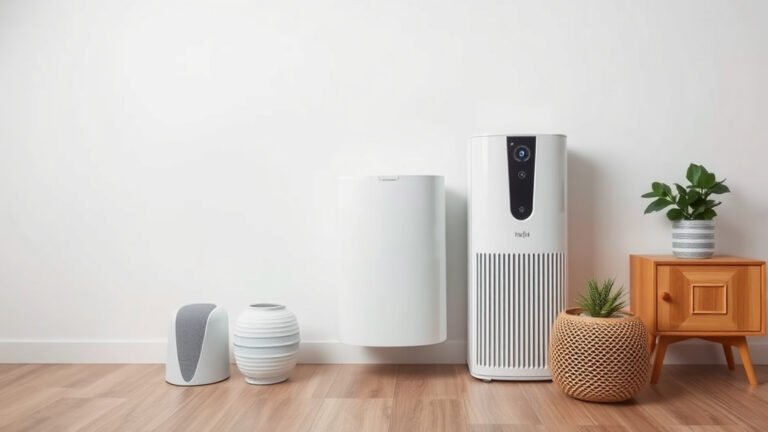
When deciding between an essential oil diffuser and an air purifier, understand their primary jobs. A diffuser adds scent and humidity to your air, while an air purifier removes pollutants and allergens. They serve very different purposes in your home environment.
You might be wondering which one is right for you. Think about your goals: do you want a pleasant aroma, or are you concerned about air quality? While both can improve your indoor atmosphere, their core functions are distinct. We found that many people confuse their capabilities.
- Diffusers add fragrance and moisture to the air.
- Air purifiers clean the air by removing particles.
- They have different mechanisms and benefits.
- Your home’s needs determine which is best.
Let’s break down what each device does so you can make the best choice for your home and well-being.
“`htmlUnderstanding Your Home’s Air: Diffuser vs. Purifier
When you think about improving the air in your home, it’s easy to get the two confused. Both a diffuser and an air purifier can change your indoor atmosphere. But they do it in very different ways. A diffuser is all about adding something pleasant to the air. An air purifier is about taking unwanted things out. We found that many people aren’t sure of the exact difference, which is why we’re here to clear the air!
What an Essential Oil Diffuser Really Does
Think of a diffuser as an aroma architect. Its main job is to disperse essential oils into your living space. This process not only adds a wonderful scent but can also introduce a bit of humidity. You’re essentially adding an experience to your room. Research shows that certain essential oils can have calming or uplifting effects (National Center for Complementary and Integrative Health).
How Diffusers Work Their Magic
Most home diffusers use water and a few drops of essential oil. The device then turns this mixture into a fine mist. This mist is released into the air. There are a few types, like ultrasonic diffusers that use vibrations. Others are nebulizing, using a pump to atomize the oil. Some are even simple heat or evaporative types. The result is always the same: a room filled with a gentle fragrance.
The Benefits of Using a Diffuser
- Aromatherapy: Many people use diffusers for the mood-boosting benefits of essential oils.
- Pleasant Scents: They are a natural way to make your home smell wonderful, masking other odors.
- Increased Humidity: Some diffusers add a small amount of moisture to the air. This can be nice in dry climates.
- Ambiance: The gentle mist and light on many diffusers create a relaxing atmosphere.
When a Diffuser Might Not Be Enough
While a diffuser makes your home smell good, it doesn’t clean your air. It adds particles (the mist) rather than removing them. If your goal is to tackle dust, pollen, or smoke, a diffuser won’t do the trick. You might even find that if you have allergies, adding a mist could potentially make things worse if not managed carefully.
What an Air Purifier Truly Achieves
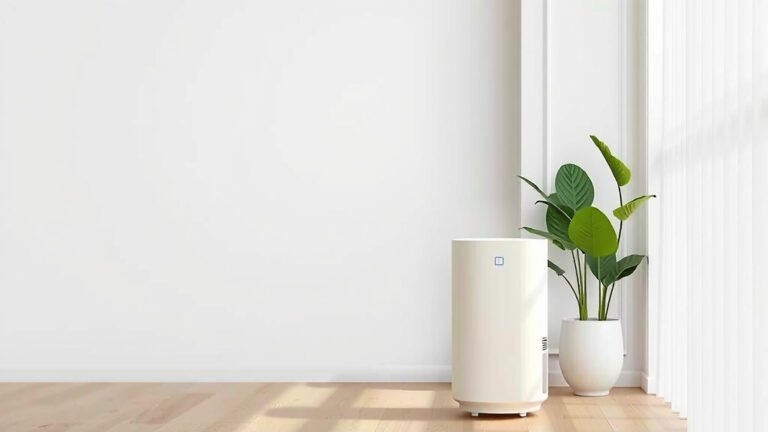
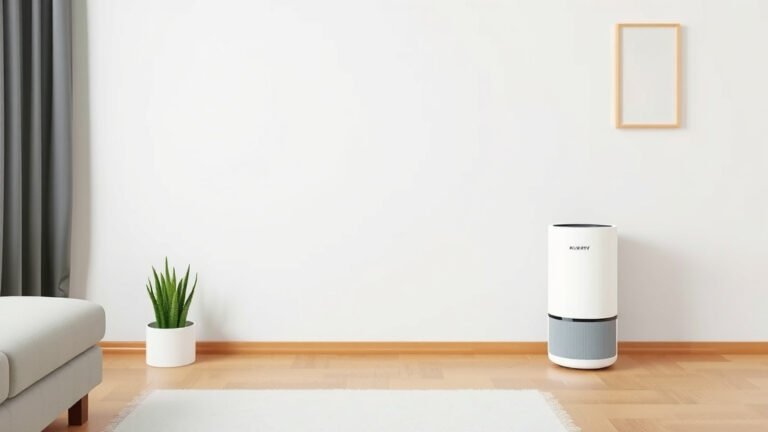
An air purifier is your home’s personal air cleaner. Its sole purpose is to remove impurities from the air. It works by drawing in air and passing it through a filtration system. This system traps microscopic particles. You’re left with cleaner, fresher air to breathe. Many health organizations recommend air purifiers for improving indoor air quality (Environmental Protection Agency).
The Mechanics of Air Purification
The most common type of air purifier uses a HEPA filter. HEPA stands for High-Efficiency Particulate Air. These filters are designed to capture at least 99.97% of airborne particles. This includes things like dust, pet dander, mold spores, and pollen. Other types may use activated carbon filters to remove odors and gases.
Key Advantages of an Air Purifier
- Allergen Reduction: Excellent for people with allergies or asthma. It captures common triggers like dust mites and pollen.
- Odor Removal: If cooking smells or pet odors linger, a good air purifier can help.
- Particle Filtration: It effectively removes fine dust, smoke particles, and other irritants.
- Healthier Breathing: By removing pollutants, it can contribute to a healthier indoor environment.
Why Air Purifiers Don’t Add Scent
Air purifiers are built to extract, not add. They are designed to trap tiny particles. Adding fragrances could potentially clog the filters or introduce new unwanted chemicals into the air. So, if you’re looking for a nice smell, an air purifier on its own won’t provide that. Its focus is strictly on air cleanliness.
Essential Oil Diffuser vs. Air Purifier: A Quick Comparison
Let’s put them side-by-side. Think of it like this: your air is like a drink. An air purifier is like a sophisticated water filter, removing all the gunk. A diffuser is like adding a splash of your favorite juice to that filtered water. Both change the drink, but in completely different ways.
| Feature | Essential Oil Diffuser | Air Purifier |
|---|---|---|
| Primary Function | Adds fragrance and moisture | Removes pollutants and allergens |
| Mechanism | Disperses essential oil/water mist | Filters air through HEPA/carbon |
| Benefit for Air | Improves scent and ambiance | Improves air quality |
| Does It Clean? | No | Yes |
| Does It Scent? | Yes | No (typically) |
| Adds Moisture? | Yes (small amount) | No |
Making Your Choice: What Do You Need Most?
So, which one is right for your home? It really comes down to your personal goals. Are you trying to create a relaxing spa-like atmosphere with lovely scents? A diffuser would be your go-to. Or are you dealing with allergies, pet odors, or concerns about dust and pollution? An air purifier is likely the better investment.
Consider Your Home Environment
Think about the specific challenges in your living space. Do you live in a city with high outdoor pollution? An air purifier can help clear your indoor air. Do you have pets that shed a lot? Again, an air purifier is great for dander. If you simply want your home to smell like lavender or eucalyptus, a diffuser is perfect.
Can You Use Both?
Absolutely! Many people find that using both devices can enhance their home environment. You can run your air purifier regularly to keep the air clean. Then, use your diffuser when you want to add a pleasant aroma for a specific mood or occasion. We found that using them at different times or in different rooms can be very effective. Just ensure you’re not running a very strong fragrance diffuser in a room with a sensitive air purifier. That could potentially impact the purifier’s effectiveness or filter life.
Your Checklist for Deciding
To help you make the best decision, consider these quick points:
- Do you want to mask odors or remove them?
- Are you concerned about allergens like dust or pollen?
- Is creating a relaxing atmosphere a priority?
- Do you have specific breathing sensitivities?
- Are you looking for natural ways to scent your home?
- Would you benefit from a bit of extra humidity?
Answering these will point you clearly toward the device that best fits your needs.
“`Conclusion
You now know the distinct roles of essential oil diffusers and air purifiers. A diffuser enhances your space with pleasant aromas and a touch of humidity. An air purifier, on the other hand, actively cleans your air by removing allergens and pollutants. They are not interchangeable, but they can be wonderful partners in creating your ideal home environment. Think about your primary need: a fragrant atmosphere or cleaner air. Making this choice will guide you to the right device. Consider which goal matters most for your well-being and start enjoying a better indoor space today!
Frequently Asked Questions
Can an air purifier make my home smell better?
Generally, no. Air purifiers are designed to remove particles and odors from the air through filtration. They don’t add scents. If you’re looking to freshen up your home’s scent, you’d typically use a diffuser for that purpose.
Is it okay to use a diffuser and an air purifier at the same time?
Yes, you can use them together. Many people do! You can run your air purifier consistently for clean air and use your diffuser when you want to add a specific fragrance or mood to the room.
Will a diffuser help with my allergies?
An essential oil diffuser is not designed to help with allergies. In fact, some people with sensitivities might find that the added mist or oils can sometimes exacerbate allergy symptoms. An air purifier is the better choice for allergy relief.
How often should I clean my air purifier filter?
Filter cleaning frequency depends on the type of purifier and your home environment. For washable filters, check them monthly and clean as needed. For HEPA filters that need replacement, consult your purifier’s manual, but typically, they last 6-12 months.
Can I put essential oils directly into an air purifier?
Absolutely not. You should never add essential oils or any liquids to an air purifier. This can damage the unit, clog the filters, and potentially create a fire hazard. Essential oils are for diffusers only.