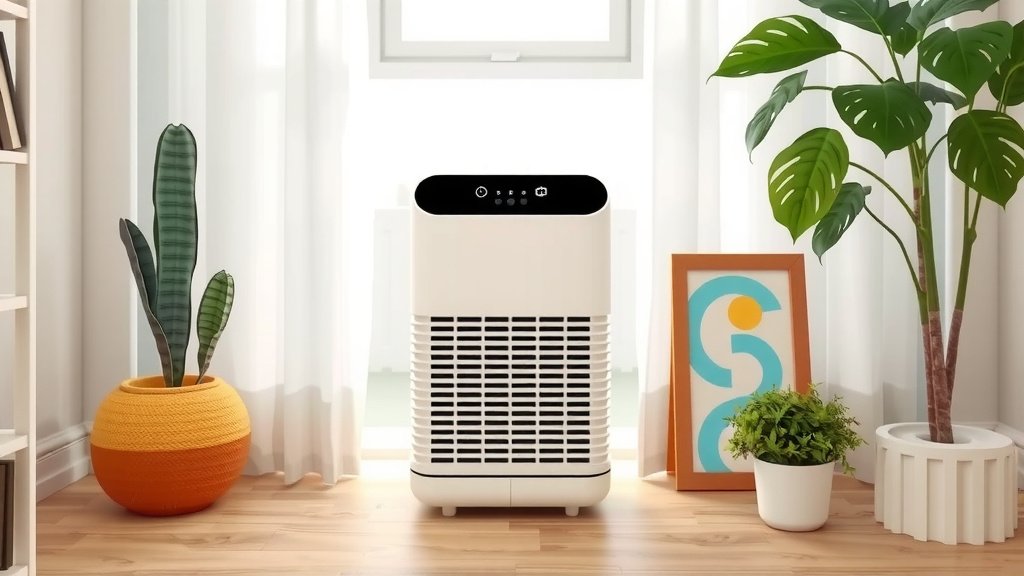
How Home Air Purifiers Work: A Simple Explanation
Home air purifiers work by drawing in dirty air and passing it through a series of filters. These filters trap pollutants like dust, pollen, pet dander, and smoke. Clean air is then released back into your room. This process helps to improve your indoor air quality for a healthier living space.
Think of your air purifier as a tiny, diligent housekeeper for your air. It’s designed to capture tiny particles you can’t see. Many models use different types of filters, such as HEPA or activated carbon, to tackle various contaminants. We found that understanding these filter types is key to choosing the right purifier for your needs.
- Air purifiers pull dirty air in.
- Filters inside trap particles like dust and allergens.
- Clean air is then blown back out.
- This helps reduce indoor air pollution.
Ready to dive deeper? Below, we’ll walk you through exactly how each part of your air purifier works to keep your home’s air fresh and clean.
Understanding How Home Air Purifiers Function
Ever wondered what’s really going on inside your air purifier? It’s more than just a box with a fan. They work through a clever process to clean the air in your home.
Essentially, an air purifier acts like a vacuum cleaner for the air. It sucks in the air around it. Then, it forces that air through a filtering system. This system catches tiny particles. Finally, it releases the cleaned air back into your room.
The Core Components at Play
Most air purifiers have a few key parts that work together. Understanding these will help you appreciate the technology.
The Fan: Your Air’s Personal Chauffeur
The fan is the engine of your air purifier. It’s responsible for pulling air into the unit. It then pushes the filtered air back out. The strength of the fan often determines how quickly the purifier can clean a room. A stronger fan means faster air circulation.
The Filtration System: The Heart of the Operation
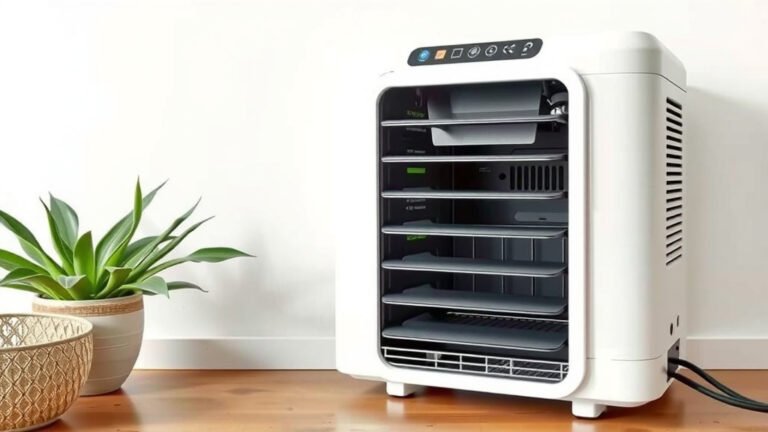
This is where the magic happens. The filters are designed to trap different types of pollutants. Most purifiers use a combination of filters.
Pre-filters: The First Line of Defense
Think of the pre-filter as the bouncer at a club. It catches the big stuff first. This includes larger particles like lint, hair, and visible dust bunnies. By trapping these items, it helps protect the more delicate filters inside. Many pre-filters are washable or reusable, which is a nice bonus.
HEPA Filters: The Allergy Avengers
HEPA stands for High-Efficiency Particulate Air. These filters are incredibly effective. They are designed to capture at least 99.97% of airborne particles. This includes tiny things like pollen, pet dander, mold spores, and even some bacteria. Many guidelines recommend HEPA filters for allergy sufferers (American Lung Association).
Activated Carbon Filters: The Odor Eaters
These filters are different from HEPA filters. Instead of trapping particles, they absorb gases and odors. Activated carbon has a porous structure. This structure allows it to trap volatile organic compounds (VOCs). VOCs are often found in cleaning products, paints, and furnishings. They can also help reduce smoke odors and cooking smells.
Other Filter Types You Might See
Some purifiers might include additional technologies. These can include UV-C light to kill germs or ionizers to charge particles. However, it’s important to use these with caution. Some ionizers can produce ozone, which can irritate the lungs (Environmental Protection Agency).
The Housing and Controls: Putting it All Together
The outer casing protects the internal components. The controls allow you to adjust settings. You can often change fan speed, set timers, or activate special modes. Many modern units feature indicator lights. These lights might show when a filter needs replacing.
The Air Purification Process Step-by-Step
Let’s break down the journey of air through your purifier. It’s a straightforward process designed for maximum impact.
Step 1: Air Intake
The fan begins to spin. It starts drawing in the surrounding room air. This air contains all sorts of tiny particles we can’t see. It’s like the purifier is taking a big breath.
Step 2: Passing Through Filters
The air is then guided through the filter layers. It encounters the pre-filter first. Then, it moves to the HEPA filter. Finally, it passes through the activated carbon filter. Each filter performs its specific job.
Step 3: Pollutant Trapping
As air passes through the HEPA filter, tiny particles get stuck. They cling to the filter’s fibers. The activated carbon filter works by adsorption. Odorous molecules stick to its surface.
Step 4: Clean Air Exhaust
Once the air has been cleaned, the fan pushes it back out. The air released is much cleaner than what went in. This continuous cycle helps improve your home’s overall air quality.
A Quick Look at Filter Performance
Different filters excel at different tasks. This table shows what each type is generally good at capturing.
| Filter Type | Primary Function | What It Captures |
|---|---|---|
| Pre-filter | Initial particle capture | Large dust, hair, lint |
| HEPA Filter | High-efficiency particle capture | Pollen, pet dander, mold spores, bacteria |
| Activated Carbon | Odor and gas absorption | VOCs, smoke, cooking smells |
Making Sure Your Air Purifier Works Its Best
To get the most out of your air purifier, some simple maintenance is needed. It’s not complicated, but it’s important!
- Check your filters regularly.
- Replace filters according to the manufacturer’s recommendations.
- Clean washable pre-filters often.
- Ensure proper placement for good airflow.
- Keep the unit clean from dust buildup.
Conclusion
You’ve learned how home air purifiers actively clean your indoor environment. They draw in air, pass it through specialized filters like HEPA and activated carbon, and then release cleaner air. This process helps reduce allergens, odors, and tiny particles. By understanding the fan, filtration, and housing, you can appreciate their effectiveness. To keep your air quality high, remember to perform regular maintenance. Checking and replacing your filters as recommended is the most important step. Consider investing in an air purifier to breathe easier in your home.
Frequently Asked Questions
How often should I replace my air purifier filters?
Filter replacement schedules vary by manufacturer and usage. Generally, pre-filters may need cleaning monthly. HEPA and activated carbon filters often need replacement every 6 to 12 months. Always check your unit’s manual for specific recommendations.
Can an air purifier remove odors from smoke or pets?
Yes, air purifiers with activated carbon filters are excellent at absorbing odors. These filters trap odor-causing molecules from sources like smoke, cooking, and pet dander. A HEPA filter also helps by removing the particles that cause some odors.
Do air purifiers use a lot of electricity?
Most air purifiers are energy-efficient and use less electricity than you might think. They often have low wattage ratings, similar to a light bulb. Energy Star certified models are designed for maximum efficiency, saving you money on your power bill.
Are air purifiers effective against viruses and bacteria?
HEPA filters can capture a high percentage of airborne viruses and bacteria. While they don’t kill them, they trap them on the filter. Some purifiers also include UV-C light technology, which aims to neutralize germs.
Can I run my air purifier 24/7?
Yes, you can run most air purifiers continuously. Many are designed for 24/7 operation to maintain consistent air quality. Running it all the time ensures that your air is always being filtered. Just be sure to follow the manufacturer’s maintenance guidelines.
![How to Clean Charcoal Filter for Air Purifier [Easy Guide]](https://homeunderstandable.com/wp-content/uploads/2025/05/how-to-clean-charcoal-filter-for-air-purifier-easy-guide-768x512.jpg)