How Air Purifying Respirators Work Explained
Air purifying respirators (APRs) work by using filters and cartridges to trap harmful particles and gases from the air before you breathe them in. They physically remove contaminants, making the air safer to inhale. This is how they help protect you from things like dust, fumes, and biological agents, ensuring you can breathe easier in hazardous environments.
These devices are designed to create a barrier between you and airborne threats. The respirator creates a seal around your face, forcing all inhaled air to pass through its specialized filtration system. This process is crucial for safeguarding your respiratory health when air quality is compromised, offering a reliable layer of protection.
- They filter out bad stuff from the air.
- Your lungs only get clean air.
- They use special filters and cartridges.
- They create a seal to ensure air passes through filters.
Let’s walk through exactly how these helpful devices work to keep you breathing clean air, step by step.
Understanding How Air Purifying Respirators Protect You
Air purifying respirators, or APRs, are like your personal bodyguard against airborne nasties. They work by physically removing harmful stuff from the air before it reaches your lungs. Think of them as a high-tech filter for your face. We found that their main job is to create a safe breathing zone for you in environments where the air isn’t clean.
The core idea is simple: clean air in, dirty air out. These respirators don’t create oxygen; they just make the air that’s already there much safer to breathe. This is a pretty big deal when you’re dealing with dust, mold, chemicals, or even certain biological threats.
The Anatomy of an Air Purifying Respirator
So, how do these handy devices actually do their job? It all comes down to a few key components working together. You’ve got the respirator itself, which is the part that fits onto your face, and then you have the filters or cartridges. These are the real heroes of the story.
Creating a Seal: The First Line of Defense
Before any air can be filtered, the respirator needs to create a good seal around your face. This is super important! If there are gaps, contaminated air can sneak in around the edges, bypassing the filters completely. Many experts say a proper fit is absolutely critical for effectiveness (CDC).
Think about wearing a pair of sunglasses that are too big. They don’t really protect your eyes from the sun if light is coming in from the sides, right? It’s the same idea with respirators. A good seal ensures that *all* the air you breathe in is forced through the filters.
Filters and Cartridges: The Dirty Work
This is where the magic happens. Air purifying respirators use different types of filters and cartridges. The type you need depends entirely on what you’re trying to protect yourself from. It’s not a one-size-fits-all situation.
Particulate Filters: Tackling Solids
These are your go-to for things like dust, smoke, and biological particles like viruses or bacteria. They work like a very fine sieve. Tiny particles get trapped in the filter material as air passes through. We found that the efficiency of these filters is often measured by ratings like N95, N99, or P100, indicating how well they capture small particles.
Gas and Vapor Cartridges: Handling the Invisible Threats
For gases and vapors, you need cartridges instead of just particulate filters. These cartridges contain special materials, like activated charcoal, that can chemically absorb or react with harmful gases. It’s like the charcoal has a magnetic pull for those specific airborne chemicals. The air passes through, and the bad guys get stuck.
We found that different cartridges are designed for different types of gases. For example, you might have a cartridge for organic vapors and another for acid gases. Using the wrong type means you’re not getting the protection you think you are.
How Air Flows Through the Respirator
Let’s imagine you’re wearing a half-face respirator. You inhale, and that creates negative pressure inside the mask. This pressure difference pulls outside air into the respirator through the filters or cartridges. As the air travels through, the contaminants are captured.
Then, you exhale. This pushes the filtered, clean air out through a one-way exhalation valve. This valve is designed to let air out but keep outside air from coming in through that specific port. It’s a pretty smart system, really. It keeps the air moving in the right direction.
Types of Air Purifying Respirators and Their Filtration
Not all APRs are built the same, and this affects how they filter air. The main difference comes down to whether they are disposable or reusable, and how they cover your face.
Disposable Filtering Facepiece Respirators (FFRs)
These are often called “disposable respirators” or “surgical masks” (though surgical masks are not respirators and don’t offer the same protection). They are designed for single use. They consist of a filter material that covers your nose and mouth. Think of an N95 mask; it’s an example of an FFR.
When you wear one, you simply put it on, make sure it seals well, and breathe. The filter material itself traps particles. Once they get clogged with debris or are no longer effective, you throw them away. We found that proper disposal is key to preventing the spread of contaminants.
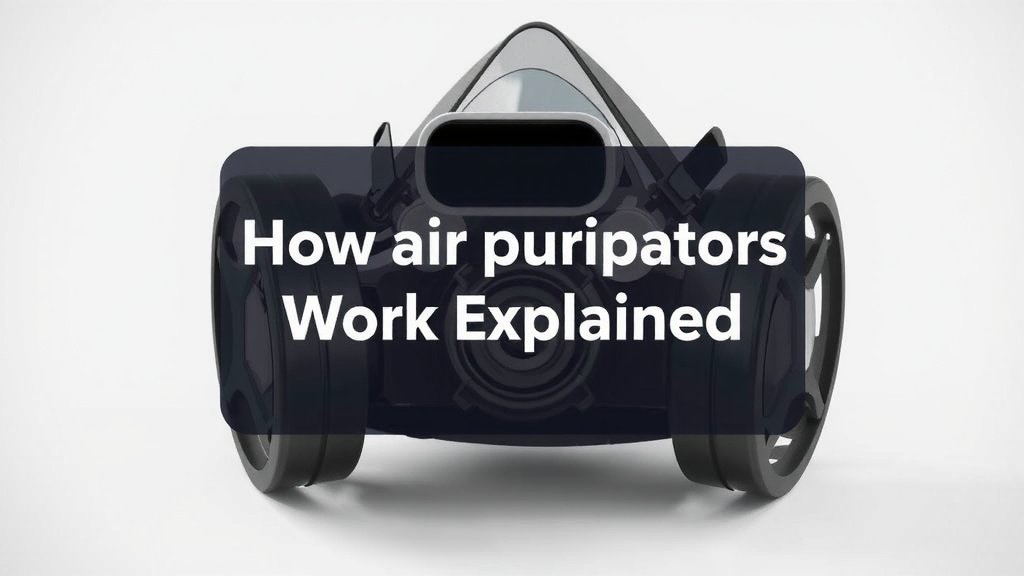
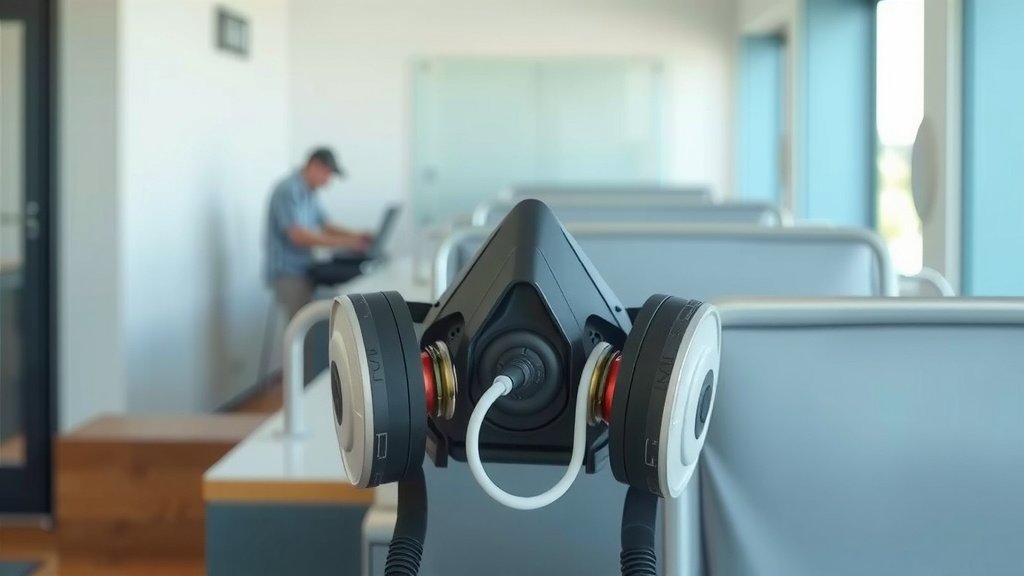
Elastomeric Half-Face and Full-Facepiece Respirators
These are reusable respirators. They have a flexible rubber or plastic facepiece that is designed to be cleaned and reused. The filters or cartridges are what you replace regularly.
Half-Facepiece Respirators
These cover your nose and mouth. They are generally more comfortable for longer wear than disposable ones. You’ll see these used in many industrial settings. The filters attach to the sides of the mask. Many guidelines recommend checking the filter dates to ensure they haven’t expired (OSHA).
Full-Facepiece Respirators
These cover your entire face, including your eyes. They offer a higher level of protection because they also protect your eyes from splashes or irritating vapors. They have larger filter areas and offer a wider field of vision. The filtration principles are the same as for half-face respirators, just on a larger scale.
Choosing the Right Respirator and Filter Combination
You might be wondering how to pick the right APR for your needs. It’s like choosing the right tool for a job. You wouldn’t use a hammer to saw wood, right?
The first step is to identify the hazards you’ll be exposed to. Are you dealing with fine dust, chemical fumes, or both? This information will guide your choice of filter or cartridge. Many safety data sheets (SDS) will list the appropriate respiratory protection needed for a specific chemical or substance.
Here’s a quick rundown of common filter types:
| Filter Type | What it Protects Against | Common Uses |
|---|---|---|
| P100 Particulate Filter | Oil-based and non-oil-based particles (99.97% efficient) | Welding fumes, asbestos, lead dust |
| Organic Vapor (OV) Cartridge | Certain organic vapors and gases | Paints, solvents, cleaning chemicals |
| Acid Gas (AG) Cartridge | Acid gases like chlorine or sulfur dioxide | Chemical manufacturing, battery charging |
| Multi-Gas/Vapor Cartridge | A combination of hazards, like organic vapors and acid gases | Confined spaces, emergency response |
You can often combine filter types. For instance, a P100 filter can be attached to a cartridge designed for organic vapors, giving you protection against both particulates and certain gases. We found that always checking the manufacturer’s instructions is essential for proper use.
Key Takeaways for Safe Respirator Use
To ensure your air purifying respirator is working effectively for you, keep these points in mind:
- Always choose the right filter for the hazard.
- Ensure a tight seal around your face before breathing.
- Inspect your respirator for damage before each use.
- Replace filters and cartridges according to manufacturer guidelines or when breathing becomes difficult.
- Follow proper cleaning and storage procedures for reusable respirators.
- If you’re unsure, consult with a safety professional.
Conclusion
You now understand how air purifying respirators (APRs) work to protect your lungs. They physically remove harmful particles and gases from the air you breathe, using a system of seals, filters, and cartridges. Remember, the right filter for the right hazard is key to staying safe. Always check for a proper seal and replace filters as recommended. Don’t hesitate to consult a safety professional if you have questions about choosing or using an APR. Your respiratory health is worth the effort to get it right!
Frequently Asked Questions
How often do I need to replace the filters on my respirator?
Filter replacement frequency depends on the type of filter, the concentration of contaminants, and how long you wear the respirator. Manufacturers provide guidelines, and you should also replace filters when breathing becomes noticeably more difficult or if there’s a smell indicating breakthrough. Always refer to the product’s specific instructions for the best advice.
Can I use any filter with my respirator mask?
No, you cannot use any filter with any respirator mask. Respirators are designed to work with specific types of filters or cartridges. Using the wrong filter can mean you aren’t protected from the hazards present. Always match the filter or cartridge type to the specific airborne contaminants you need protection from, and ensure it’s compatible with your respirator model.
What’s the difference between a particulate filter and a gas/vapor cartridge?
Particulate filters are designed to trap solid particles like dust, mist, and fumes, acting like a very fine sieve. Gas and vapor cartridges, on the other hand, contain materials that chemically absorb or react with invisible gases and vapors, such as those found in solvents or chemical fumes. You need the right type for the specific airborne threat you’re facing.
How do I know if my respirator is sealing properly?
A proper seal is crucial for an APR to work effectively. You can perform a seal check before each use. For a positive pressure check (on many masks), cover the exhalation valve and gently exhale; the mask should slightly inflate and resist your breath. For a negative pressure check, cover the filter inlets and inhale; the mask should pull tightly against your face. If you feel air leaking, readjust the fit.
Are surgical masks the same as air purifying respirators?
No, surgical masks are not the same as air purifying respirators (APRs). Surgical masks are designed to protect the wearer from large-particle splashes and sprays, and to prevent the wearer from contaminating the environment. APRs, like N95 respirators, are designed to filter out much smaller airborne particles and offer a tighter seal, providing a higher level of respiratory protection against specific hazards.