How UV Air Purifiers Work: A Deep Dive
UV air purifiers work by using ultraviolet light to kill or inactivate airborne contaminants like viruses, bacteria, and mold spores as they pass through the purifier. This process, often called germicidal irradiation, helps to clean the air you breathe in your home or office. Think of it like a tiny sunbeam zapping germs in your air, making your indoor environment healthier.
Many UV air purifiers also include other filtration stages, like HEPA filters, to catch physical particles. The UV light specifically targets and neutralizes microorganisms that might otherwise survive simpler filtration methods. Research shows UV-C light is particularly effective against a wide range of pathogens, offering an extra layer of protection against invisible threats floating around.
- UV purifiers use UV light to kill germs.
- This light inactivates viruses, bacteria, and mold.
- Many units combine UV with other filter types.
- It’s a way to boost your indoor air quality.
Let’s walk through exactly how UV air purifiers get the job done, step by step. You might be surprised at how simple, yet effective, the technology is.
Understanding How UV Air Purifiers Clean Your Air
So, you’re curious about how exactly those UV air purifiers work their magic, right? It’s a pretty neat process that can make a big difference in the air you breathe every day. We’re here to break it down for you simply.
The Core Technology: Germicidal UV Light
At its heart, a UV air purifier uses a special type of light called ultraviolet (UV) light. Not just any UV light, though. It’s specifically UV-C light, which is known for its germ-killing power. You know how the sun’s rays can sometimes feel intense? UV-C light is like a concentrated, targeted version of that germicidal power.
What is UV-C Light?
UV-C light is a part of the ultraviolet spectrum. It has a shorter wavelength than UV-A and UV-B light. This shorter wavelength packs more energy. It’s this high energy that makes UV-C effective at damaging the DNA and RNA of microorganisms. Think of it like a tiny, invisible laser beam that disrupts the very structure of germs.
How It Disrupts Microorganisms
When airborne viruses, bacteria, or mold spores pass through the UV-C light within the purifier, the light penetrates their cells. It scrambles their genetic material. This damage prevents them from reproducing. They become inactive and harmless. This is why UV purifiers are so good at neutralizing tiny biological threats.
The Airflow and Filtration Process
A UV air purifier doesn’t just blast UV light everywhere. It’s a carefully designed system to ensure the air gets properly treated. Your air needs to be directed to the light source.
Drawing Air In
First, the purifier uses a fan to draw in the air from your room. This is the same fan that helps circulate clean air back out. It pulls in all the air, including any dust, allergens, and those invisible microorganisms you can’t see.
Passing Through the UV Chamber
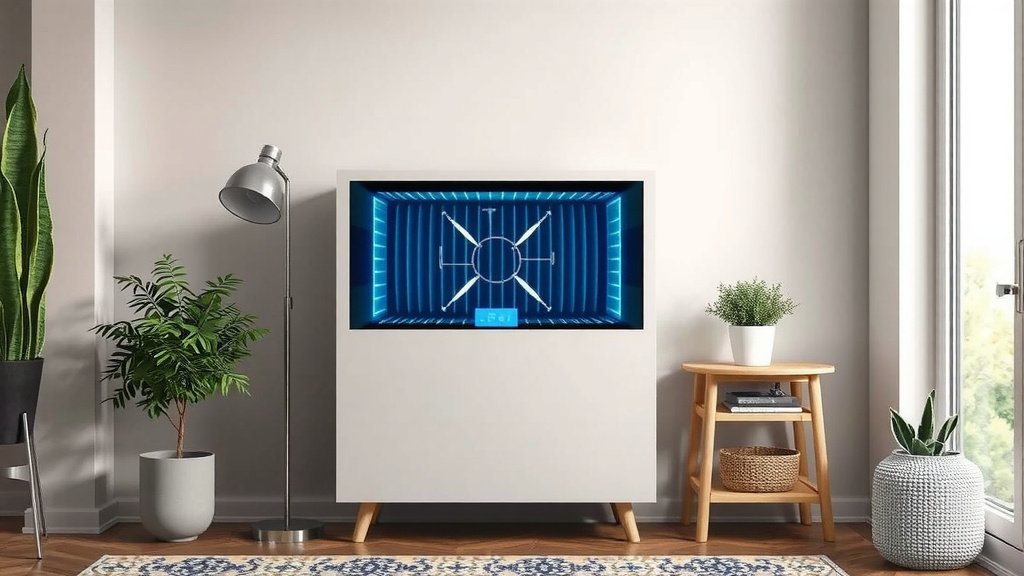
Once the air is inside the unit, it’s guided through a specific chamber. This chamber is designed to expose the air to the UV-C light for a sufficient amount of time. The longer the exposure, the more effective the germicidal process can be. Many purifiers use reflective surfaces inside this chamber to maximize the light’s reach. This ensures the air gets a thorough “sunbathing,” so to speak.
Combined Filtration for Complete Air Cleaning
While the UV light is fantastic at neutralizing germs, it doesn’t remove larger particles like dust, pet dander, or pollen. That’s where other filters come in. Most UV air purifiers are part of a multi-stage system. This ensures you get a more complete cleaning of your indoor air. A common setup includes a pre-filter, a HEPA filter, and then the UV light. Sometimes, an activated carbon filter is also included for odors.
| Component | Primary Function | What It Captures/Treats |
|---|---|---|
| Pre-Filter | Initial particle capture | Larger particles like dust and pet hair |
| HEPA Filter | High-efficiency particle trapping | Small particles like allergens, pollen, mold spores (physical capture) |
| Activated Carbon Filter | Adsorption of gases and odors | Chemicals, smoke, cooking smells, pet odors |
| UV-C Light | Germicidal irradiation | Viruses, bacteria, mold spores (inactivation) |
The Science Behind UV Germicidal Irradiation
UV germicidal irradiation (UVGI) isn’t a new concept. It’s been studied and used for decades in various settings, like hospitals and water treatment plants. Research shows that UV-C light can be effective against a broad spectrum of microbes (National Academies of Sciences, Engineering, and Medicine). This makes it a reliable method for air disinfection.
Effectiveness Against Different Microbes
Different types of microorganisms have varying levels of susceptibility to UV-C light. However, studies have shown UV-C is effective against many common airborne pathogens. This includes various strains of bacteria and viruses. It’s also good at inhibiting the growth of mold spores. This broad-spectrum action is a key benefit.
Factors Influencing Effectiveness
Several things can affect how well the UV light works. The intensity of the UV light is important. Higher intensity means faster germ inactivation. The duration of exposure is also key. Air needs to spend enough time in the UV chamber. The distance from the UV bulb to the microorganism matters too. Finally, the presence of other matter, like dust, can sometimes shield microbes from the light. This is why pre-filters and HEPA filters are so important partners to the UV-C lamp.
Here’s a quick rundown of what your UV air purifier is doing:
- Drawing air into the unit with a fan.
- Passing air over a UV-C light source.
- Using the UV light’s energy to damage germ DNA/RNA.
- Inactivating viruses, bacteria, and mold spores.
- Working alongside other filters to remove physical particles.
- Releasing cleaner air back into your room.
Conclusion
You’ve now seen how UV air purifiers use germicidal UV-C light to zap and inactivate airborne germs like viruses, bacteria, and mold. This powerful technology works hand-in-hand with other filters, like HEPA, to capture particles. Together, they provide a robust defense for your indoor air quality. Ready to breathe easier? Consider a UV air purifier as your next step toward a healthier home environment.
Frequently Asked Questions
How long does UV light take to kill germs in an air purifier?
The time it takes for UV light to inactivate germs depends on several factors. These include the UV light’s intensity and the duration the air is exposed. Most residential UV air purifiers are designed for efficient inactivation as air passes through.
Do UV air purifiers produce ozone?
Reputable UV air purifiers use UV-C light wavelengths that do not produce ozone. Ozone can be harmful to your health. Always check the product specifications to ensure it’s ozone-free for safe operation in your home.
Can UV air purifiers kill everything, including viruses and bacteria?
UV-C light is effective at damaging the DNA and RNA of many viruses, bacteria, and mold spores. This renders them inactive and unable to reproduce. However, effectiveness can vary based on the specific microbe and exposure conditions.
Do I need to replace the UV bulb in my air purifier?
Yes, UV bulbs have a limited lifespan and will need replacement. Manufacturers typically recommend replacing them annually to maintain optimal germicidal performance. Refer to your purifier’s manual for specific replacement intervals.
Is a UV air purifier enough on its own for clean air?
While UV light excels at inactivating microorganisms, it doesn’t remove physical particles like dust or pollen. For the best overall air cleaning, UV purifiers often work best as part of a multi-stage system including HEPA and pre-filters.
![5 Best Hepa Air Purifier for Car [In 2026]](https://homeunderstandable.com/wp-content/uploads/2025/05/best-hepa-air-purifier-for-car-top-picks-for-fresh-air-768x432.jpg)
![What Is The Best Ionizer Air Purifier for Home [In 2026]](https://homeunderstandable.com/wp-content/uploads/2025/05/best-ionizer-air-purifier-for-home.jpg)