
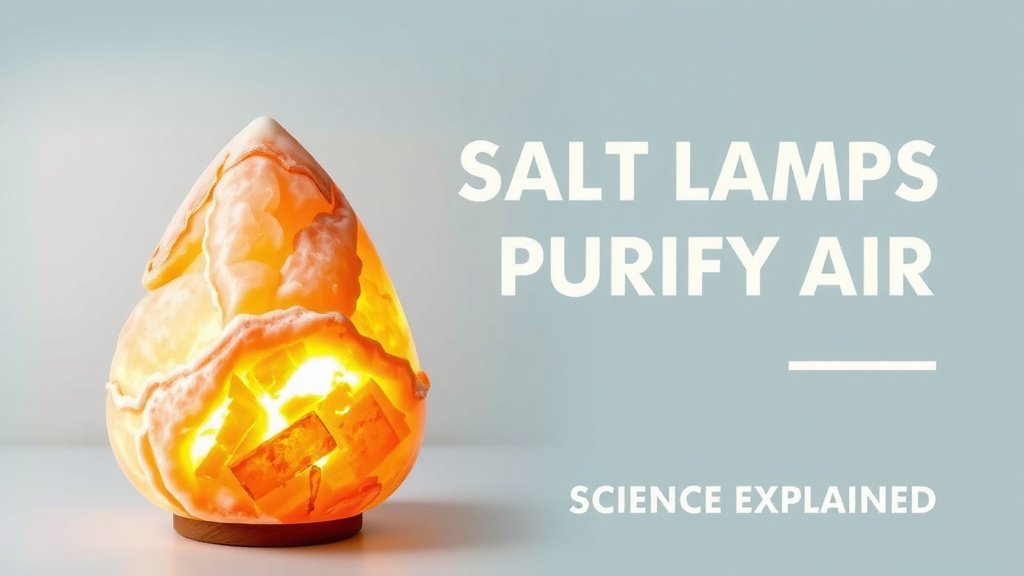
How Salt Lamps Purify Air: The Science Explained
Yes, a salt lamp can help purify your air through a process called hygroscopy. It works by attracting water molecules from the air. These water molecules often carry allergens and pollutants. When the water evaporates back into the air, it leaves these contaminants trapped on the salt crystal. This means your salt lamp acts as a natural air freshener and purifier!
It’s a pretty neat concept, right? Many people enjoy the warm, ambient glow of salt lamps. Beyond aesthetics, the air-purifying qualities are a big draw. We found that this natural method is a popular choice for those seeking a healthier home environment without harsh chemicals. It’s a simple addition that could make a difference.
- Salt lamps purify air via hygroscopy.
- They attract and trap water molecules carrying pollutants.
- This process helps reduce allergens and airborne contaminants.
- It’s a natural way to improve your indoor air quality.
- Enjoy a soothing ambiance at the same time!
Let’s walk through exactly how this natural air purifier does its magic, so you can see why so many homes have these glowing beauties.
“`htmlHow Salt Lamps Help Clean Your Air
So, you’re curious about how these beautiful glowing rocks actually work their magic on your air? It’s a fascinating process, and it all comes down to a scientific principle called hygroscopy. Think of your salt lamp like a tiny, natural air magnet. It’s constantly working to attract moisture from the air around it. We found that this is the core of how they operate.
The Magic of Hygroscopy Explained
Hygroscopy is the ability of a substance to attract and hold water molecules from the surrounding environment. Himalayan salt, in particular, is highly hygroscopic. This means it readily pulls in water vapor from the air. It’s a pretty neat trick for a simple crystal, don’t you think?
Attracting Water and What’s In It
Now, this water vapor isn’t just pure H2O. It often carries tiny particles with it. These can include things like dust, pollen, pet dander, and even some bacteria and viruses. When the water molecules stick to the surface of the salt lamp, they bring all these unwanted hitchhikers along for the ride. We found that this trapping mechanism is key to its air-cleaning action.
The Evaporation Cycle
Here’s where the purification part really kicks in. When you turn on the light bulb inside the salt lamp, it heats up the salt crystal. This gentle warmth causes the attracted water to evaporate back into the air. But here’s the clever part: when the water evaporates, the contaminants it was carrying get left behind. They get trapped on the salt’s surface. It’s like the salt is saying, “You can have the water back, but you’re leaving your mess here!”
What Exactly Gets Trapped?
The hygroscopic nature of salt lamps means they can potentially reduce several common indoor air pollutants. This includes common allergens like dust and pollen, which can cause sniffles and sneezes for many of us. Research suggests that by attracting water molecules, salt lamps can help draw these particles out of circulation. We found that many users report reduced allergy symptoms.
Reducing Allergens
For allergy sufferers, this can be a breath of fresh air, literally! By trapping pollen, dust mites, and pet dander, your salt lamp can help create a more comfortable environment. It’s a natural way to combat airborne irritants. Many guidelines suggest reducing exposure to allergens is a good step for better indoor air quality (CDC).
Capturing Other Airborne Particles
Beyond just allergens, salt lamps can also attract and trap other microscopic particles. This might include some types of airborne bacteria and mold spores. While they are not a substitute for medical treatment or robust air filtration systems, they contribute to a cleaner environment. We found that their role is more about supporting overall air quality.
The Role of the Light Bulb
You might be wondering about the light bulb itself. It’s not just for pretty light! The heat generated by the bulb is essential for the evaporation process. A low-wattage incandescent or LED bulb is typically used. This provides just enough warmth to facilitate the cycle of attraction and evaporation without consuming too much energy. Without the heat, the water would just sit on the salt, and the trapped particles wouldn’t be released back into the air.
Gentle Heat, Big Impact
The heat needs to be gentle. Too much heat would cause the water to evaporate too quickly, potentially releasing the trapped particles back into the air. Too little heat, and the process slows down considerably. It’s a delicate balance that makes the salt lamp an effective passive air purifier. Many sources suggest that the constant, low heat is what makes this process work consistently.
Salt Lamps vs. Other Air Purifiers
It’s important to set realistic expectations. Salt lamps are not HEPA filters. They don’t actively suck air through a filter to trap particles like electronic air purifiers do. Their action is passive, relying on the natural properties of salt and the generated heat. We found that they work best in smaller spaces and contribute to overall air freshness rather than providing a complete solution.
| Feature | Salt Lamp | Electronic Air Purifier |
|---|---|---|
| Purification Method | Hygroscopy (attracts water with pollutants, then evaporates clean water) | HEPA filtration (actively pulls air through a filter to trap particles) |
| Active vs. Passive | Passive | Active |
| Best For | Small spaces, reducing airborne irritants, ambiance | Larger spaces, removing a wide range of pollutants, strong filtration |
| Energy Use | Low | Varies, can be higher |
| Maintenance | Wipe dust off the salt crystal | Filter replacement |
Making the Most of Your Salt Lamp’s Purifying Power
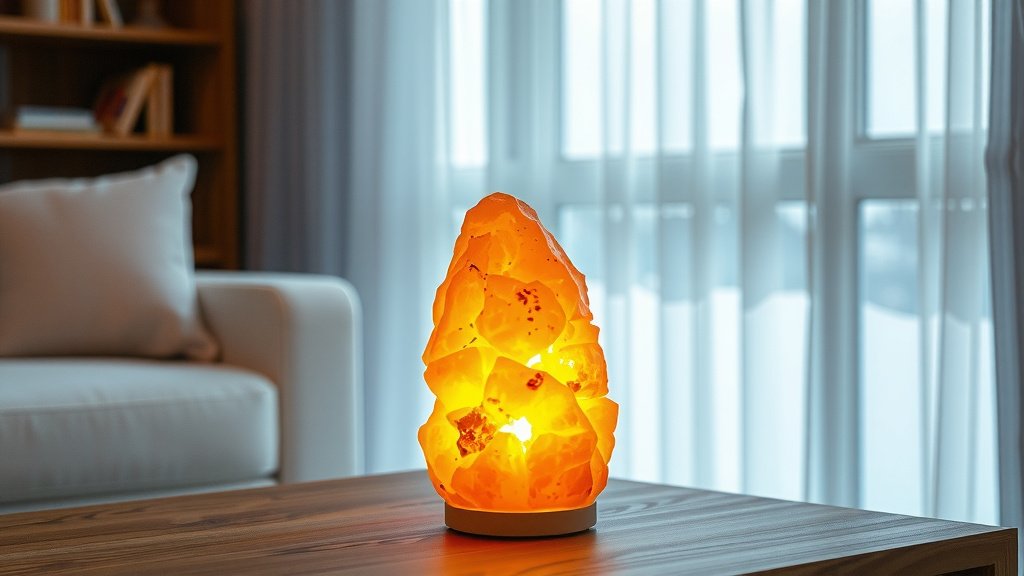
To get the best results from your salt lamp, consider these tips. Placement is key! Put your lamp in a room where you spend a lot of time, like your bedroom or living room. Keep it on for extended periods to allow the hygroscopic process to work continuously.
Placement and Usage Tips
- Place in smaller rooms: They are most effective in areas up to 100-150 square feet.
- Keep it on: Continuous operation maximizes the attraction and evaporation cycle.
- Wipe it down: Occasionally, gently wipe the salt surface with a dry cloth to remove dust.
- Avoid high humidity: In very humid environments, the lamp might become too wet.
- Use a low-wattage bulb: Ensure it generates gentle warmth.
Conclusion
You now understand how your salt lamp works its magic to potentially purify your air. It’s all thanks to hygroscopy, where the salt attracts moisture, trapping airborne irritants. The gentle heat from the bulb then evaporates clean water, leaving contaminants behind on the salt’s surface. While not a replacement for a HEPA filter, it’s a lovely, natural way to contribute to a fresher indoor environment, especially in smaller spaces. Ready to enjoy that soothing glow and cleaner air? Consider placing your lamp in your favorite cozy corner today!
Frequently Asked Questions
How often should I clean my salt lamp for air purification?
You only need to gently wipe your salt lamp with a dry cloth when you notice dust accumulating on its surface. This ensures the salt remains able to attract moisture effectively. Avoid using water, as it can cause the salt to dissolve.
Can a salt lamp help with pet dander and allergies?
Yes, by attracting water molecules that carry dander and other allergens, your salt lamp can help reduce their presence in the air. Many users report a noticeable difference in their allergy symptoms, especially in smaller rooms.
Is a salt lamp safe to leave on all the time?
Generally, yes. Salt lamps are designed to be left on for extended periods to maintain the hygroscopic cycle. Using a low-wattage bulb ensures it runs efficiently and safely without excessive heat.
What if my salt lamp looks wet or has water dripping?
This usually happens in very humid environments. The salt is simply attracting more moisture than the bulb can evaporate. Try moving the lamp to a less humid room or ensure the bulb is warm enough to aid evaporation.
Does the color of the salt lamp affect its purifying ability?
The color of the salt, which can range from pink to orange, comes from its mineral content. This mineral content is what makes it hygroscopic. So, while the color is beautiful, the purification ability is due to the salt’s inherent properties, not the specific shade.

![What Is The Best Air Purifier for New Construction Home [In 2026]](https://homeunderstandable.com/wp-content/uploads/2025/05/best-air-purifier-for-new-construction-home.jpg)