How UV Air Purifiers Work: A Simple Explanation
A UV air purifier works by using ultraviolet light to kill or inactivate airborne contaminants like viruses, bacteria, and mold spores. As air passes through the purifier, it’s exposed to UV-C light, which damages the DNA or RNA of these microorganisms, rendering them harmless. This makes it a simple yet effective way to improve your indoor air quality.
Many UV air purifiers combine this UV-C technology with other filtration methods, such as HEPA filters, for a more robust cleaning process. This dual approach helps capture larger particles while the UV light tackles microscopic threats. Researchers have found that UV disinfection can significantly reduce microbial load in the air, especially in environments where air circulation is high, like homes or offices.
- UV air purifiers use UV-C light to neutralize germs.
- This light damages the DNA/RNA of viruses, bacteria, and mold.
- Many units also use HEPA filters for particle capture.
- It’s a way to help clean the air you breathe.
Let’s walk through exactly how these UV air purifiers get the job done, step by step.
Understanding How UV Air Purifiers Clean Your Air
You’re probably wondering about the magic behind UV air purifiers. How exactly does that ultraviolet light zap germs? It’s actually a pretty straightforward scientific process. These purifiers work by using a specific type of UV light, known as UV-C light. This light is very effective at disrupting the genetic material of microorganisms.
The Science of UV-C Light and Germs
Think of UV-C light as a tiny, invisible disruptor. When airborne particles like viruses, bacteria, and mold spores pass through the purifier, they encounter this powerful light. UV-C light has a wavelength that’s just right for damaging the DNA and RNA of these tiny invaders.
When the DNA or RNA gets damaged, the microorganism can no longer reproduce or infect. It’s essentially rendered harmless. Researchers have confirmed that UV-C light is a proven method for germicidal disinfection (National Institutes of Health). It’s like hitting the ‘off’ switch for these microscopic threats.
Step-by-Step: How the Air Gets Cleaned
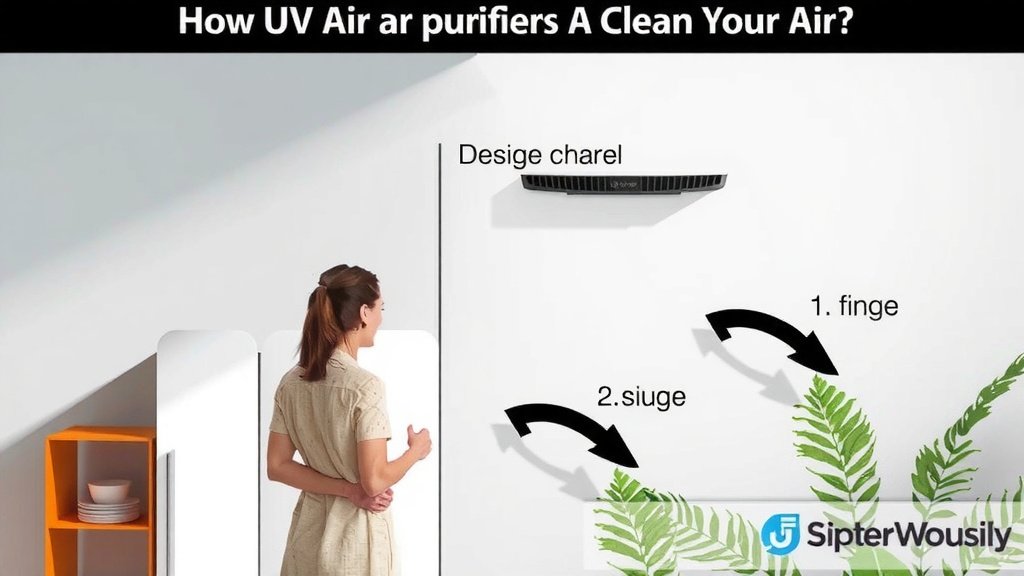
Let’s break down the journey your air takes through a UV air purifier.
1. Air Intake
First, the purifier draws in the air from your room. This usually happens through vents or an opening at the back or side of the unit. A small fan helps move the air inside, ensuring a constant flow.
2. Passing Through the UV Chamber
Once inside, the air is directed into a special chamber. This is where the UV-C bulb is located. The chamber is designed to contain the UV light, so it only affects the air passing through it. You don’t need to worry about any UV exposure outside the unit.
3. UV-C Light Exposure
As the air moves through the chamber, it’s bathed in UV-C light. The duration of this exposure is carefully controlled. It needs to be long enough to be effective against the microorganisms present in the air. This step is where the germ-killing action happens.
4. Clean Air Output
After passing through the UV chamber, the now-disinfected air is released back into your room. The fan pushes it out through an exhaust vent, helping to circulate cleaner air throughout your living space.
Different Types of UV Air Purifiers and How They Work
Not all UV air purifiers are created equal. Some rely solely on UV light, while others combine it with other technologies for a more complete air cleaning solution. Understanding these differences can help you choose the best option for your home.
UV-Only Purifiers: The Focused Approach
These units primarily use UV-C light to neutralize airborne germs. They are effective against viruses, bacteria, and mold spores. However, they don’t capture larger particles like dust, pollen, or pet dander. If you’re mainly concerned about airborne pathogens, a UV-only unit might be sufficient.
Combination Purifiers: The All-Around Cleaners
Many popular UV air purifiers also include other filtration stages. This is often where you’ll find a HEPA filter. A HEPA filter is designed to trap small particles, physically removing them from the air. The UV light then works on any remaining microscopic threats.
Here’s a quick look at how these combination units typically function:
| Stage | What it Does | Examples |
|---|---|---|
| 1. Pre-filter | Captures larger particles like dust and hair. | Washable mesh. |
| 2. HEPA Filter | Traps tiny particles like pollen, mold spores, and pet dander. | Standard or medical-grade HEPA. |
| 3. Activated Carbon Filter (Optional) | Absorbs odors and VOCs (volatile organic compounds). | Charcoal-based filter. |
| 4. UV-C Light Chamber | Neutralizes viruses, bacteria, and other pathogens. | UV-C bulb. |
| 5. Clean Air Output | Circulates purified air back into the room. | Fan pushes air out. |
This layered approach ensures that your air is cleaned of both larger irritants and microscopic germs. We found that units with multiple stages often provide a more comprehensive solution for overall air quality improvement (Cleveland Clinic). It’s like giving your air multiple chances to get clean.
Where UV Air Purifiers Shine the Brightest
While UV air purifiers can benefit any home, they are particularly helpful in certain environments. Consider if any of these situations apply to you:
Homes with Vulnerable Occupants
If you have young children, elderly family members, or individuals with compromised immune systems, reducing airborne pathogens is a top priority. UV purifiers can offer an extra layer of protection against illness. Studies have shown that UV irradiation can inactivate a broad spectrum of human pathogens (World Health Organization).
Areas Prone to Mold and Mildew
Damp environments, like bathrooms or basements, can be breeding grounds for mold. A UV air purifier can help prevent mold spores from circulating and multiplying in the air. This is especially important for those with mold allergies.
Spaces with Poor Ventilation
If your home doesn’t get a lot of fresh air circulation, pollutants can build up quickly. UV purifiers help tackle the germs that linger in enclosed spaces. They work continuously to clean the air, even when windows are closed.
Making Sure Your UV Air Purifier Works Its Best
To get the most out of your UV air purifier, a little maintenance goes a long way. It’s not just about plugging it in and forgetting about it!
Regular Filter Replacement and Cleaning
If your unit has a HEPA or other physical filter, you’ll need to replace it periodically. The manufacturer will usually specify how often. A dirty filter can’t capture particles effectively. For washable filters, regular cleaning is key.
UV Bulb Lifespan
UV-C bulbs don’t last forever. They have a limited lifespan, typically measured in hours of use. Once the bulb reaches the end of its life, it will no longer emit effective UV-C light. Many purifiers have indicator lights to let you know when it’s time for a replacement. Keeping the bulb clean, if accessible, can also help maintain its effectiveness.
Proper Placement
Ensure your UV air purifier is placed in a location where it can effectively circulate air. Avoid blocking the intake or exhaust vents. Placing it in a central area of a room often works best.
A Quick Checklist for Optimal Performance
- Check filter replacement schedule.
- Clean washable filters regularly.
- Monitor UV bulb indicator lights.
- Ensure proper airflow around the unit.
- Keep unit free from dust buildup.
Conclusion
You’ve learned how UV air purifiers use UV-C light to neutralize airborne germs like viruses and bacteria by damaging their genetic material. We saw how this process works step-by-step, from air intake to clean air output. Many units also combine this with HEPA filtration for a more complete air cleaning solution, effectively tackling both microscopic threats and larger particles. This technology can be especially beneficial for homes with vulnerable occupants or those prone to mold. Now that you understand the mechanics, consider where a UV air purifier might fit into your home’s air quality strategy. Taking steps to maintain your unit, like replacing filters and bulbs, ensures you continue to breathe cleaner air.
Frequently Asked Questions
Can UV air purifiers get rid of odors?
UV-only air purifiers are not designed to remove odors. They focus on neutralizing microorganisms. If odor removal is a priority, look for a combination unit that includes an activated carbon filter, which is excellent at absorbing smells and VOCs.
How close do germs have to be to the UV light to be killed?
The effectiveness depends on the strength of the UV-C bulb and the duration the air is exposed to it. In most purifiers, the air passes directly through the UV chamber, ensuring close proximity and adequate exposure time for neutralization.
Are UV air purifiers safe to use around pets and children?
Yes, when used as directed, they are safe. The UV-C light is contained within the purifier’s chamber, so there’s no direct exposure to the light itself. They work by cleaning the air that passes through the unit.
How often do I need to replace the UV bulb?
UV bulbs have a limited lifespan, typically lasting between 6,000 to 12,000 hours of use. Many purifiers have indicator lights to signal when the bulb needs replacement, ensuring continuous germicidal effectiveness.
Will a UV air purifier work on smoke particles?
A UV-only air purifier will not effectively capture smoke particles. Smoke consists of very fine particles and gases. For smoke, you’ll need a purifier with a good HEPA filter and an activated carbon filter to trap particles and absorb odors.

![What Is The Best Air Purifier for Smokers [In 2026]](https://homeunderstandable.com/wp-content/uploads/2025/06/best-air-purifier-for-smokers-top-choices-for-fresh-air-768x512.jpg)