
How Air Purifiers Improve Your Indoor Air Quality
An air purifier helps clean the air in your home by trapping airborne particles like dust, pollen, pet dander, and smoke. It uses a fan to draw in air, passing it through one or more filters to remove contaminants. This process can significantly improve indoor air quality, making your home environment healthier and more comfortable, especially for those with allergies or asthma. Think of it as a tiny vacuum cleaner for the air.
Many people wonder if these devices truly make a difference. We found that air purifiers are especially effective at removing tiny particles that can irritate your lungs and trigger allergy symptoms. They work by filtering out things you can’t see, like mold spores and even some bacteria and viruses. It’s a simple yet powerful way to control the air you breathe every day.
- Air purifiers trap common allergens like dust and pollen.
- They can remove smoke, pet dander, and other irritants.
- Some models also filter out odors and microscopic particles.
- They contribute to a healthier indoor environment.
Let’s walk through exactly how an air purifier can benefit your home and your health.
How an Air Purifier Works to Improve Your Home Air
An air purifier is a simple device that can make a big difference in your home. It works by cleaning the air you breathe. This can help reduce allergy symptoms and create a more pleasant living space. Let’s look at the mechanics behind this helpful technology.
The Core Function: Drawing In and Filtering Air
At its heart, an air purifier is a fan paired with a filtration system. The fan is the engine that pulls air from your room into the unit. Think of it like a tiny, controlled wind tunnel for your indoor environment. As the air enters, it encounters the filters designed to capture unwanted particles.
Understanding the Filtration Stages
Most air purifiers use a multi-stage filtration process. This ensures that a wide range of pollutants are trapped effectively. Each stage targets different types of contaminants, working together to purify the air.
The Pre-Filter: Your First Line of Defense
The first filter you’ll encounter is usually a pre-filter. Its job is to catch larger particles. We’re talking about things like visible dust bunnies, pet hair, and lint. This layer protects the more sensitive filters that come after it. It also helps to extend the lifespan of the entire system. Keeping this pre-filter clean is key for optimal performance.
The HEPA Filter: The Workhorse of Air Purification
Next up is the High-Efficiency Particulate Air (HEPA) filter. This is where the real magic happens for many common allergens. A true HEPA filter is designed to capture at least 99.97% of airborne particles. It traps items as small as 0.3 microns. This includes things like pollen, mold spores, dust mites, and pet dander. These tiny irritants can cause a lot of discomfort for allergy sufferers.
We found that HEPA filters are incredibly effective against microscopic allergens. They act like a super-fine sieve for the air. Guidelines from organizations like the Environmental Protection Agency (EPA) often highlight the importance of HEPA filtration for improving indoor air quality. They are a benchmark for effective particle removal.
Activated Carbon Filters: Tackling Odors and Gases
Beyond physical particles, many air purifiers include an activated carbon filter. This filter is a bit different. It works through a process called adsorption. Activated carbon has a porous structure, meaning it has millions of tiny holes. These holes trap gases, odors, and volatile organic compounds (VOCs). Think of cooking smells, pet odors, or even chemical fumes from cleaning products.
Research indicates that activated carbon filters are excellent at removing smells. They can make a noticeable difference in the freshness of your home’s air. This is especially helpful for pet owners or those who enjoy cooking frequently. Many experts agree that this layer adds significant value to an air purification system.
Additional Technologies: Ionizers and UV-C Light
Some air purifiers incorporate other technologies. Ionizers, for example, release negative ions into the air. These ions attach to airborne particles, causing them to clump together. This makes them heavier and fall out of the air, or stick to surfaces. Some people find this helpful for reducing airborne dust.
UV-C light is another technology used. It works by exposing passing air to ultraviolet light. This can help kill bacteria, viruses, and mold spores. However, the effectiveness of UV-C in home air purifiers can vary. It depends on the intensity of the light and how long the air is exposed to it. It’s generally considered a secondary benefit to the primary filtration.
The Fan’s Role: Driving Airflow
Once the air has been filtered, the fan pushes the cleaner air back into your room. The speed of the fan, often adjustable, determines how quickly the air is circulated and cleaned. A higher fan speed means more air is processed in a given time. This is often referred to as the Clean Air Delivery Rate (CADR).
Choosing an air purifier with a suitable CADR for your room size is important. A unit that’s too small will struggle to clean the air effectively. A unit that’s too large might be overkill and consume more energy than needed.
Putting It All Together: A Breath of Fresh Air
So, you have air being drawn in, passing through layers of filters that trap everything from large dust particles to microscopic allergens and odors, and then clean air is returned to your space. This continuous cycle is how an air purifier works to make your indoor environment healthier. It’s a straightforward process with powerful results for your well-being.
Key Benefits of Using an Air Purifier
Beyond just the mechanics, what does this mean for you and your home? The benefits are numerous and can significantly improve your quality of life.
Reducing Allergens and Irritants
For anyone who suffers from allergies or asthma, this is a major win. Air purifiers are excellent at capturing common triggers like pollen, pet dander, and mold spores. By removing these from the air, they can reduce sneezing, itchy eyes, and respiratory discomfort. Many users report a noticeable decrease in allergy symptoms after using an air purifier.
Improving Overall Air Quality
Even if you don’t have specific allergies, indoor air can be surprisingly polluted. Dust, smoke particles, and even microscopic fibers from furniture can circulate. An air purifier helps to clear out these general irritants. This leads to a fresher, cleaner feeling home environment for everyone. It’s like giving your home a constant deep clean for the air.
Neutralizing Odors
Tired of lingering cooking smells or that “lived-in” pet odor? The activated carbon filters in many air purifiers are highly effective at absorbing these unwanted smells. They don’t just mask odors; they help to remove them from the air entirely. This can make your home much more pleasant, especially for guests.
Capturing Microscopic Pollutants
We found that air purifiers, especially those with HEPA filters, can trap particles much smaller than you can see. This includes some bacteria and viruses. While they aren’t medical devices designed to sterilize the air, capturing these tiny particles can still contribute to a healthier living space. Research by health organizations often points to improved air filtration as a way to reduce exposure to airborne pathogens.
When to Consider Using an Air Purifier
Is an air purifier right for your home? Here are a few things to consider:
- You or someone in your household suffers from allergies or asthma.
- You own pets that shed dander and hair.
- You live in an area with high outdoor pollution or frequent wildfires.
- You are sensitive to odors from cooking, smoke, or pets.
- You simply want to create a cleaner, fresher indoor environment.
Conclusion
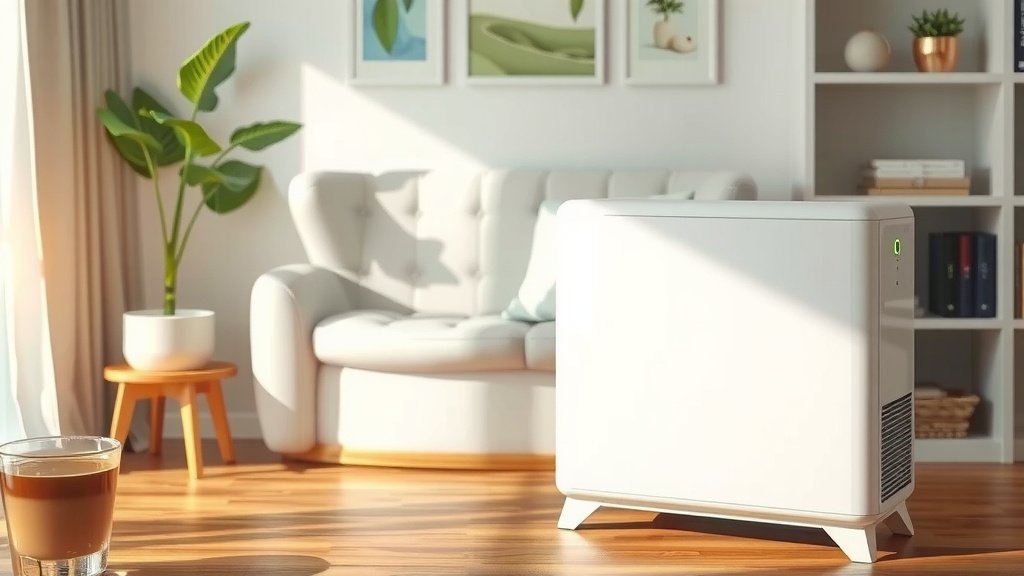
You’ve learned that an air purifier works by drawing in air, filtering out a wide range of pollutants with its multi-stage system, and then releasing cleaner air back into your home. From trapping large dust particles and pet dander with a pre-filter to capturing microscopic allergens with a HEPA filter and neutralizing odors with activated carbon, these devices offer tangible benefits. They can significantly improve your indoor environment, especially if you deal with allergies or want a fresher-smelling home. Ready to breathe easier? Consider what type of air purifier best fits your needs and start enjoying cleaner air today.
Frequently Asked Questions
Do air purifiers actually make a difference for allergies?
Yes, research and user experiences consistently show that air purifiers can make a big difference for allergy sufferers. By trapping common airborne allergens like pollen, dust mites, and pet dander with their HEPA filters, they help reduce the triggers that cause sneezing, itchy eyes, and congestion. Many people report a noticeable improvement in their allergy symptoms.
Can an air purifier help with pet odors?
Absolutely. Air purifiers with activated carbon filters are very effective at absorbing and removing pet odors from your home. This filter works by adsorping smell-causing gases and compounds, rather than just masking them. It can make a significant improvement in the overall freshness of your living space.
Are air purifiers noisy?
The noise level of an air purifier can vary depending on the model and the fan speed setting. Most units have multiple speed settings, with lower speeds being much quieter. While some higher settings can be noticeable, many find the gentle hum of a purifier on a lower setting to be unobtrusive, and some even find it helpful as white noise.
How often do I need to replace the filters?
Filter replacement frequency depends on the specific air purifier model, how often you run it, and the air quality in your home. Generally, pre-filters may need cleaning or replacing every few months, while HEPA and carbon filters often last between 6 to 12 months. Your air purifier’s manual will provide the most accurate schedule.
Can an air purifier remove viruses and bacteria from the air?
While air purifiers with HEPA filters can capture a significant percentage of airborne bacteria and viruses (often down to 0.3 microns), they are not medical devices designed to sterilize air. They help reduce your exposure by trapping these particles. Some models also include UV-C light technology, which can further help in neutralizing airborne pathogens.
![5 Best Air Purifier for Flatulence [In 2026]](https://homeunderstandable.com/wp-content/uploads/2025/05/best-air-purifier-for-flatulence-top-picks-for-odor-free-homes-768x432.jpg)
![5 Best Air Purifiers for Cat Litter Smell [In 2026]](https://homeunderstandable.com/wp-content/uploads/2025/04/best-air-purifiers-for-cat-litter-smell.jpg)
![5 Best Air Purifier for Cat Hair Reddit [In 2026]](https://homeunderstandable.com/wp-content/uploads/2025/06/best-air-purifier-for-cat-hair-reddit.jpg)

![5 Best Air Purifiers for College Dorms [In 2026]](https://homeunderstandable.com/wp-content/uploads/2025/04/best-air-purifiers-for-college-dorms.jpg)