How a Honeywell Air Purifier Works: A Detailed Look
Honeywell air purifiers work by drawing in air through a multi-stage filtration system. They effectively capture airborne particles like dust, pollen, and pet dander. This process helps to improve your indoor air quality, making your home a healthier place to breathe.
These purifiers use a combination of pre-filters, HEPA filters, and activated carbon filters. Each layer targets different types of pollutants. We found that this layered approach is key to their effectiveness in removing common allergens and odors from your living space.
- Honeywell air purifiers clean your air in stages.
- They use filters like HEPA and activated carbon.
- This removes dust, allergens, and odors.
- The goal is healthier air in your home.
Let’s walk through exactly how this amazing technology helps you breathe easier in your own home.
Understanding How Your Honeywell Air Purifier Works
A Honeywell air purifier is like a dedicated guardian for your home’s air. It’s designed to actively remove unwanted particles that float around your living spaces. You might be wondering what magic happens inside. We’ll break down the journey of your air as it passes through these machines.
The Multi-Stage Filtration Process: A Deep Dive
Honeywell purifiers don’t just push air around. They employ a clever, multi-step process. Each stage targets different types of airborne contaminants. This layered approach ensures the air you breathe is cleaner and fresher. It’s like a specialized team working together to achieve a common goal.
Stage 1: Capturing the Big Stuff with a Pre-Filter
The first line of defense is usually a pre-filter. Think of it as the bouncer at the club door. It’s the first thing your air encounters. This layer is designed to catch the larger particles. We’re talking about things like visible dust bunnies, pet hair, and lint. These larger items can clog up the more sensitive filters behind them. By trapping them early, the pre-filter helps extend the life of the other filters. Many of these pre-filters are washable, which is a nice perk. Just rinse and dry, and they’re ready to go again!
Stage 2: The Power of HEPA Filtration
Next up is the star of the show: the HEPA filter. HEPA stands for High-Efficiency Particulate Air. This filter is incredibly effective. It’s designed to capture at least 99.97% of airborne particles. These particles are tiny, as small as 0.3 microns. What does that even mean? Well, a micron is one-millionth of a meter. For comparison, a human hair is about 70 microns wide. HEPA filters can trap things like pollen, mold spores, dust mites, and even some bacteria and viruses. If you suffer from allergies or asthma, this is the filter that makes a real difference. Many health organizations, like the Environmental Protection Agency (EPA), recommend HEPA filters for improving indoor air quality.
What Can HEPA Filters Actually Trap?
It’s truly amazing what these filters can catch. We found that common allergens are no match for a good HEPA filter. This includes things like:
- Pollen grains from trees, grasses, and weeds.
- Mold spores, which can be a problem in damp areas.
- Dust mite debris, microscopic creatures that live in your home.
- Pet dander, those tiny skin flakes pets shed.
- Some airborne bacteria.
Stage 3: Tackling Odors and Gases with Activated Carbon
After the HEPA filter has done its job on particles, the air moves on to another crucial stage. This is typically an activated carbon filter. You might also hear it called activated charcoal. This filter looks very different from the HEPA filter. It’s usually a black, porous material. How does it work? Activated carbon has been treated to be extremely porous. This means it has a huge surface area. This large surface area acts like a sponge. It adsorbs (that’s ‘ad-sorbs’, not ‘ab-sorbs’) gases and odors. Think of things like cooking smells, pet odors, smoke, and volatile organic compounds (VOCs) from household cleaners or new furniture. These are the things that make your home smell less than fresh. The activated carbon filter traps these molecules, leaving your air smelling cleaner. Many experts suggest that a robust activated carbon filter is essential for complete air purification.
| Filter Type | What it Captures | Why it Matters |
|---|---|---|
| Pre-Filter | Large particles (hair, lint, visible dust) | Protects other filters, extends lifespan |
| HEPA Filter | Small particles (pollen, dander, mold spores, dust mites) | Removes allergens, improves respiratory health |
| Activated Carbon | Gases, odors, VOCs (smoke, cooking smells, chemical fumes) | Neutralizes smells, freshens air |
The Fan: The Heart of the Operation
None of this would happen without the fan. The fan is the engine that drives the entire process. It’s responsible for drawing the air from your room into the purifier. Then, it pushes that air through all the different filter stages. Finally, it expels the newly cleaned air back into your room. The speed of the fan determines how quickly the air is cycled through the purifier. Most Honeywell models offer different fan speeds. Higher speeds clean the air faster but can be louder. Lower speeds are quieter but take longer to process the air.
Additional Technologies: Ionizers and UV-C Light
Some Honeywell air purifiers come with additional technologies. One common addition is an ionizer. An ionizer releases negative ions into the air. These ions attach to airborne particles, giving them a small electrical charge. This charge causes the particles to clump together. They then become heavier and fall out of the air, or they are more easily attracted to the purifier’s filters. It’s important to note that some ionizers can produce small amounts of ozone. If ozone is a concern for you, look for models that offer an “ionizer off” setting. Another feature you might find is UV-C light. This type of light can help kill germs like bacteria and viruses that might be trapped in the filters. Think of it as an extra layer of germ-fighting power.
Keeping Your Honeywell Purifier Running Smoothly
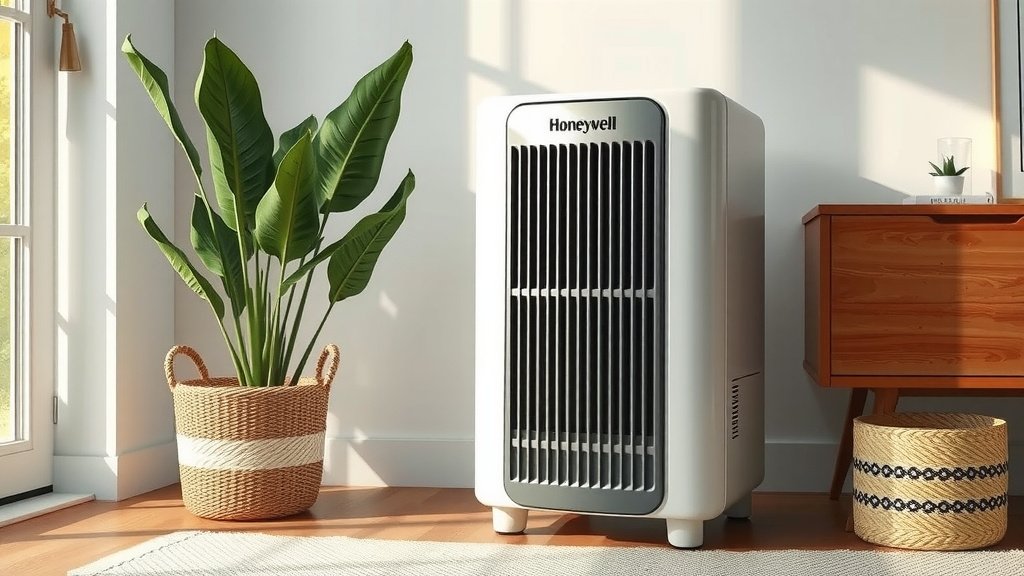
Your Honeywell air purifier is built to last. But like any appliance, it needs a little care. The most important thing you can do is replace the filters regularly. The frequency depends on the model and how often you use the purifier. You’ll usually find guidance in your owner’s manual. Some models even have filter change indicators to remind you. A dirty, clogged filter can’t do its job effectively. It can also strain the fan motor. Cleaning your pre-filter regularly, if it’s washable, is also key.
What to Expect Regarding Filter Life
Here’s a general idea of what we found regarding filter lifespans:
- Pre-filters: Often washable and can last the life of the unit if cleaned periodically.
- HEPA filters: Typically need replacement every 6-12 months.
- Activated Carbon filters: Often combined with HEPA or a separate layer, usually replaced every 6-12 months.
A Quick Checklist for Maintenance
To ensure your Honeywell air purifier keeps working its best, try to follow these simple steps:
- Check your manual for specific filter replacement schedules.
- Clean or replace the pre-filter as recommended.
- Purchase authentic replacement filters for your model.
- Listen for changes in fan noise, which might indicate a clogged filter.
- Keep the exterior of the unit clean for better airflow.
- Place the purifier in an open area, away from walls or furniture.
Conclusion
You’ve learned that your Honeywell air purifier works by using a smart, multi-stage filtration system. It starts with a pre-filter to catch large particles, moves to a powerful HEPA filter for tiny allergens, and finishes with activated carbon to neutralize odors. This layered approach effectively cleans your indoor air, creating a healthier environment for you and your family. To keep it performing at its best, remember to replace your filters as recommended by the manufacturer. Regularly maintaining your purifier ensures you continue to breathe cleaner, fresher air every day.
Frequently Asked Questions
How often should I replace the HEPA filter in my Honeywell air purifier?
We found that HEPA filters typically need replacement every 6 to 12 months. This timeframe can vary based on how often you run your purifier and the air quality in your home. Check your owner’s manual for the most accurate recommendation for your specific model.
Can Honeywell air purifiers remove pet dander and odors?
Yes, they are very effective at this. The HEPA filter traps pet dander, while the activated carbon filter works to adsorb and neutralize pet odors. This dual action makes them a great choice for pet owners looking to improve their home’s air quality.
What is the purpose of the activated carbon filter in a Honeywell purifier?
The activated carbon filter’s main job is to capture gases and odors that the HEPA filter cannot. We observed that it adsorbs things like cooking smells, smoke, and chemical fumes from cleaning products, leaving your air smelling fresh.
What does “micron” mean in relation to HEPA filters?
A micron is one-millionth of a meter. HEPA filters are designed to capture at least 99.97% of particles that are 0.3 microns in size. This is incredibly small, allowing them to trap even microscopic allergens and pollutants.
Should I turn off the ionizer on my Honeywell air purifier?
It’s a good idea to check if your model has an “ionizer off” setting. While ionizers help particles clump together for easier filtering, some can produce small amounts of ozone. If ozone is a concern for you, using the “off” setting provides cleaner air without this potential byproduct.