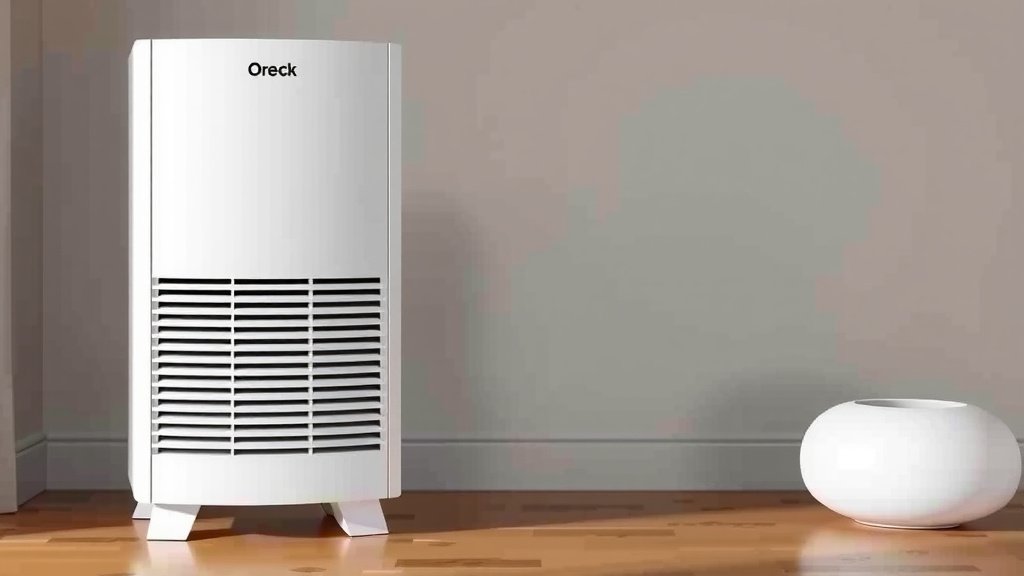
How Oreck Air Purifiers Work: A Simple Guide
An Oreck air purifier works by drawing in air, passing it through multiple filters to capture pollutants, and then releasing cleaner air back into your room. This multi-stage filtration system is designed to tackle everything from dust and pollen to pet dander and even some odors. Essentially, it’s like a sophisticated vacuum cleaner for the air you breathe, making your home environment much healthier. Many models feature advanced HEPA filters and carbon filters to maximize pollutant removal.
When you’re looking to improve your indoor air quality, understanding how your purifier operates is key. Oreck air purifiers have been around for a while, and their design focuses on simplicity and effectiveness. They aim to remove airborne particles that can cause allergies and respiratory issues. You’ll find different models use slightly varied filter combinations, but the core concept of trapping particles remains the same across the brand. Some even include pre-filters to extend the life of their main filters, which is a smart design choice.
- Oreck air purifiers pull air through.
- Multiple filters trap tiny particles.
- Cleaner air is then sent back out.
- Key filters include HEPA and carbon types.
- This process reduces common indoor air pollutants.
Ready to see how your Oreck air purifier gets the job done, step by step? Let’s walk through the process in more detail.
Understanding Your Oreck Air Purifier’s Mechanics
You might be wondering exactly what happens inside your Oreck air purifier to clean the air. It’s a pretty clever process, really. Think of it as a team of specialists working together to trap unwanted guests in your air.
The Air Intake Process
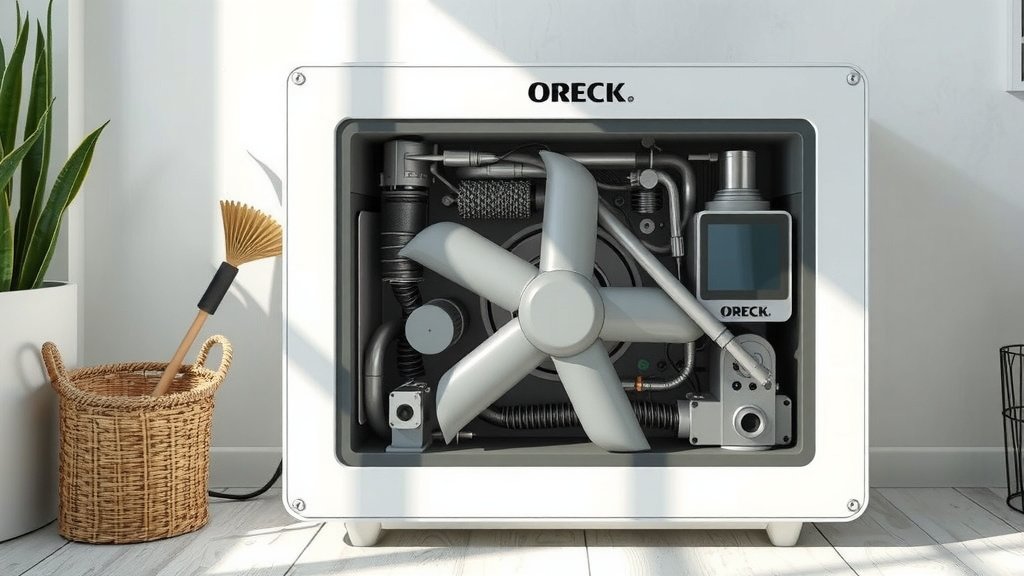
First things first, your Oreck air purifier needs to get that air from your room into its system. It does this using a quiet yet powerful fan. This fan is the engine that drives the whole operation. It’s constantly pulling air in from around your room.
The fan’s speed is usually adjustable, so you can control how much air is processed. More air processed means quicker cleaning, but it might also be a bit louder. Finding that sweet spot is key for your comfort.
The Multi-Stage Filtration Journey
Once the air is inside, it embarks on a journey through a series of filters. Each filter has a specific job. This staged approach ensures that a wide range of pollutants can be captured effectively.
The Pre-Filter: The First Line of Defense
Many Oreck models start with a pre-filter. This is usually a coarse layer designed to catch the bigger stuff. We’re talking about things like larger dust particles, hair, and lint. It’s like a sieve for your air. Why is this important? It protects the more sensitive filters further down the line.
By trapping these larger items upfront, the pre-filter prevents them from clogging the finer filters. This means your main filters can do their job better and last longer. It’s a smart way to maximize the efficiency of your purifier. Some pre-filters are washable, making maintenance simple.
The HEPA Filter: Capturing the Tiny Troublemakers
Next up is often the star of the show: the HEPA filter. HEPA stands for High-Efficiency Particulate Air. These filters are incredibly effective. They are designed to capture at least 99.97% of airborne particles that are 0.3 microns in size.
What does 0.3 microns even mean? It’s unbelievably small. For reference, a human hair is about 70 microns thick. So, a HEPA filter can catch particles that are thousands of times smaller than a hair’s width. This includes things like pollen, mold spores, dust mites, and pet dander – common triggers for allergies and asthma (Cleveland Clinic).
The structure of a HEPA filter is a dense mat of fibers. These fibers trap particles through a combination of diffusion, interception, and impaction. It’s a physical trapping process, like a super-fine net for microscopic particles. You can’t see these particles, but they are floating in your air, and the HEPA filter is designed to catch them.
The Activated Carbon Filter: Tackling Odors and VOCs
After the HEPA filter, you might encounter an activated carbon filter. This filter uses charcoal that has been treated to be highly porous. This porosity gives it a massive surface area, perfect for adsorption.
Adsorption is different from absorption. Instead of soaking things up, it attracts and holds molecules onto its surface. Activated carbon is excellent at trapping gases, odors, and volatile organic compounds (VOCs). Think about cooking smells, pet odors, smoke, or chemical fumes from cleaning products. The carbon filter grabs onto these odor-causing molecules, leaving your air smelling fresher.
VOCs are a group of chemicals that can be emitted from paints, furniture, cleaning supplies, and more. Some VOCs can have adverse health effects. An activated carbon filter helps reduce these airborne chemicals, contributing to a healthier indoor environment (EPA).
Specialized Filters and Technologies (Optional)
Depending on your specific Oreck model, there might be other filters or technologies at play. Some units might feature additional layers designed for specific issues.
- UV-C Light: Some purifiers incorporate UV-C light. This technology uses ultraviolet light to kill or inactivate airborne bacteria and viruses. It’s an extra layer of defense against germs.
- Ionizers: Certain models may include an ionizer. This device releases negative ions into the air. These ions attach to airborne particles, giving them a charge. The charged particles then stick to surfaces like walls or furniture, or they are more easily trapped by the filters.
The Clean Air Exhaust
After the air has been through all the necessary filters, it’s ready to be released back into your room. The fan pushes the purified air out through vents at the top or side of the unit. This cycle continuously repeats, drawing in more room air and expelling cleaner, fresher air.
You’ll notice the direction of the exhaust vent. It’s typically designed to help circulate the clean air throughout the room, ensuring it reaches all corners.
Filter Maintenance: Keeping Your Oreck Effective
To ensure your Oreck air purifier continues to work at its best, regular filter maintenance is essential. It’s not complicated, but it’s vital.
Check your owner’s manual for specific recommendations. Generally, you’ll want to clean or replace your pre-filter regularly, especially if it’s washable. The HEPA and carbon filters have a limited lifespan and will need to be replaced periodically, typically every 6 to 12 months depending on usage and air quality.
Ignoring filter replacement is like never cleaning your vacuum bag. Eventually, the filters become so clogged that they can’t capture pollutants effectively. In fact, a clogged filter can even reduce airflow and make your unit work harder, which isn’t efficient.
A Quick Checklist for Oreck Filter Care:
- Check your pre-filter weekly.
- Wash or vacuum pre-filters as needed.
- Note replacement dates for HEPA and carbon filters.
- Order replacement filters before they’re due.
- Dispose of old filters properly.
- Install new filters correctly.
What Your Oreck Is Removing
So, what exactly is your Oreck air purifier working to remove from your air? We’ve touched on a few things, but let’s break it down.
| Pollutant Type | Examples | How Oreck Helps |
|---|---|---|
| Particulates | Dust, pollen, pet dander, mold spores, smoke particles | HEPA filter captures these tiny solids. |
| Odors | Cooking smells, pet odors, smoke, bathroom odors | Activated carbon filter adsorbs odor molecules. |
| VOCs | Chemicals from paint, furniture, cleaning supplies | Activated carbon filter captures these gases. |
| Allergens | Dust mites, pollen, pet dander, mold | HEPA filter removes common allergy triggers. |
| Germs (some models) | Bacteria, viruses | Optional UV-C light can help neutralize them. |
Essentially, your Oreck is working hard to give you a cleaner breathing environment. It’s a process that helps reduce irritants and improve overall indoor air quality for you and your family.
Conclusion
You’ve now seen how your Oreck air purifier works like a dedicated system for cleaner air. It efficiently pulls in air, uses specialized filters like HEPA and activated carbon to trap particles and odors, and then releases fresh, purified air back into your home. This multi-stage process is key to reducing allergens, irritants, and unwanted smells. To ensure you’re always breathing the best air possible, remember to perform regular filter maintenance as recommended in your manual. Your next step should be to check your current filter’s condition and schedule any needed replacements.
Frequently Asked Questions
How often should I replace my Oreck air purifier filters?
Filter replacement frequency for your Oreck purifier typically ranges from 6 to 12 months. This depends on how much you use the unit and the air quality in your home. Your owner’s manual will provide the most accurate schedule for your specific model.
Can Oreck air purifiers remove pet odors effectively?
Yes, Oreck air purifiers are designed to tackle pet odors. The activated carbon filter within the system is specifically formulated to adsorb odor molecules from the air, leaving your home smelling fresher.
What does a HEPA filter in an Oreck purifier actually catch?
A HEPA filter in your Oreck purifier is designed to capture at least 99.97% of airborne particles as small as 0.3 microns. This includes common allergens like pollen, pet dander, dust mites, and mold spores.
Is it normal for my Oreck air purifier to make noise?
It’s normal for your Oreck air purifier to make some noise, as it uses a fan to draw air through the filters. The sound level will vary depending on the fan speed setting you choose. Most models are designed to operate quietly.
What is the purpose of the pre-filter on my Oreck air purifier?
The pre-filter acts as the first line of defense for your Oreck air purifier. It captures larger particles like dust, hair, and lint, which protects the finer HEPA and carbon filters from getting clogged too quickly. This helps extend the life of your main filters.