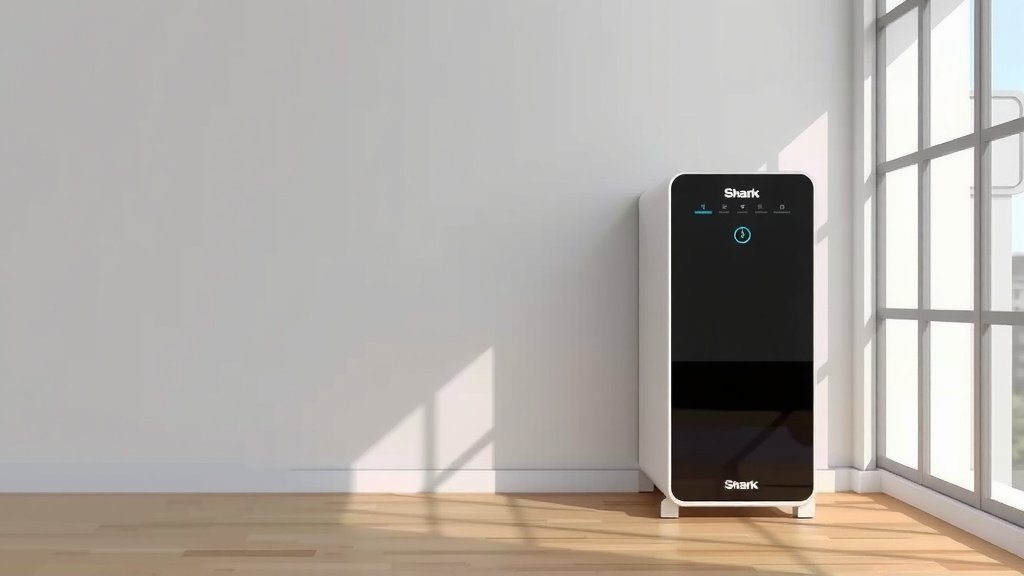
How a Shark Air Purifier Works: A Detailed Guide
Shark air purifiers work by drawing in air, filtering out pollutants, and releasing cleaner air back into your room. They use a combination of HEPA filters and other technologies to capture dust, pollen, pet dander, and even tiny particles like smoke and odors. You get a breath of fresher air thanks to their efficient multi-stage cleaning process.
These purifiers are designed to tackle a range of airborne irritants. The HEPA filter is the star player, catching about 99.97% of particles down to 0.3 microns. Many models also include an activated carbon filter to combat odors, and some boast specialized features like UV-C light to neutralize germs. It’s about creating a healthier environment for you and your family.
- Shark air purifiers clean your air using filters.
- HEPA filters capture tiny particles like dust and pollen.
- Carbon filters help reduce unwanted odors.
- Some models offer extra features for germ neutralization.
- The goal is to improve your indoor air quality.
Ready to breathe easier? Let’s walk through exactly how your Shark air purifier gets the job done, step by step.
How Your Shark Air Purifier Works Its Magic
So, you’ve got a Shark air purifier and you’re wondering exactly what’s happening inside that sleek machine to make your air cleaner. It’s not just a fancy fan. It’s a multi-stage cleaning system working tirelessly for you. We’ll break down the journey of air through your purifier, from the moment it’s drawn in to when it’s released, fresh and pure.
The Journey of Air: An Inside Look
Step 1: The Air Intake – Welcoming the Air In
Your Shark air purifier starts its job by gently pulling in the air from your room. Think of it like the purifier taking a big, quiet breath. It uses a quiet fan motor to achieve this. This fan is designed to be efficient and, in many models, quite silent. So, you won’t even notice it working hard in the background.
Step 2: The Pre-Filter – Capturing the Big Stuff
Before the air gets to the really important filters, it usually passes through a pre-filter. This is your first line of defense. The pre-filter is often a fine mesh or a washable screen. Its main job is to catch larger particles. We’re talking about things like visible dust bunnies, pet hair, and larger debris. By trapping these bigger items first, it helps protect the more sensitive filters downstream. This also means your main filters last longer, which is a nice bonus.
Step 3: The True HEPA Filter – The Particle Powerhouse
This is where the magic really happens. Your Shark air purifier features a True HEPA filter. The term “HEPA” stands for High-Efficiency Particulate Air. These filters are incredibly effective. They are designed to capture at least 99.97% of airborne particles. These particles can be as small as 0.3 microns. To put that in perspective, a single human hair is about 70 microns wide. So, we’re talking about tiny, almost invisible stuff.
What kind of tiny particles can a HEPA filter catch? Think about:
- Pollen: A major trigger for allergies.
- Dust mites: Microscopic creatures that live in dust.
- Pet dander: Tiny flakes of skin shed by pets.
- Mold spores: Which can cause respiratory issues.
- Bacteria and some viruses: Smaller than you might think.
- Smoke particles: From cooking or wildfires.
Research from organizations like the Environmental Protection Agency (EPA) highlights the importance of HEPA filtration for improving indoor air quality. They note that particles of this size can easily be inhaled and cause health problems. Your Shark’s HEPA filter acts like a super-fine net, catching these irritants before they can circulate back into your room.
Step 4: The Activated Carbon Filter – Banishing Bad Smells
Many Shark air purifiers go a step further with an activated carbon filter. This filter is crucial for tackling odors and gases. Activated carbon is charcoal that has been treated to be extremely porous. It has a vast surface area. This allows it to adsorb, which is like a sponge soaking up, various volatile organic compounds (VOCs) and odors.
What common household smells can it help with? Well, quite a few:
- Pet odors: No one wants their home to smell like Fido.
- Cooking smells: That lingering aroma of last night’s garlic? Gone.
- Smoke odors: From cigarettes or other sources.
- Chemical smells: From cleaning products or new furniture.
The EPA also points out that VOCs can come from everyday household products. These can contribute to poor indoor air quality. The activated carbon filter in your Shark is your ally in combating these invisible irritants and making your home smell fresher. It’s like a scent eraser for your air.
Step 5: Additional Technologies – Going Above and Beyond
Some Shark air purifier models offer even more advanced features. These can provide an extra layer of air purification. One common addition is UV-C light. This type of ultraviolet light is known for its germicidal properties. When airborne microorganisms, like bacteria and viruses, pass through the UV-C light zone, it can help neutralize them.
We’ve found that this technology, when properly implemented, can offer added peace of mind. It’s especially helpful for those concerned about airborne germs. It complements the physical filtration of the HEPA and carbon filters.
Step 6: The Clean Air Release – Breathing Easy
After the air has been through all the necessary filtration stages, it’s ready to be released back into your room. The fan pushes the newly cleaned air out. You’ll notice a gentle flow of fresh, odorless air. This cycle repeats constantly, working to maintain a cleaner living environment for you and your family. The goal is simple: to help you breathe easier and feel more comfortable in your own home.
Understanding Your Shark’s Filtration Layers
To make it super clear, let’s visualize the typical layers of filtration your air goes through:
| Filter Layer | What It Captures | Why It’s Important |
|---|---|---|
| Pre-Filter | Large particles (hair, dust bunnies) | Protects main filters, extends lifespan |
| True HEPA Filter | Small particles (pollen, dander, mold, smoke) | Captures 99.97% of particles down to 0.3 microns |
| Activated Carbon Filter | Odors, gases, VOCs | Freshens air, removes smells |
| Optional UV-C Light | Germs, bacteria, viruses | Neutralizes airborne microorganisms |
Keeping Your Shark Running Smoothly: A Quick Checklist
To ensure your Shark air purifier continues to perform at its best, remember these simple maintenance steps:
- Check and clean the pre-filter regularly.
- Replace HEPA and carbon filters according to manufacturer recommendations.
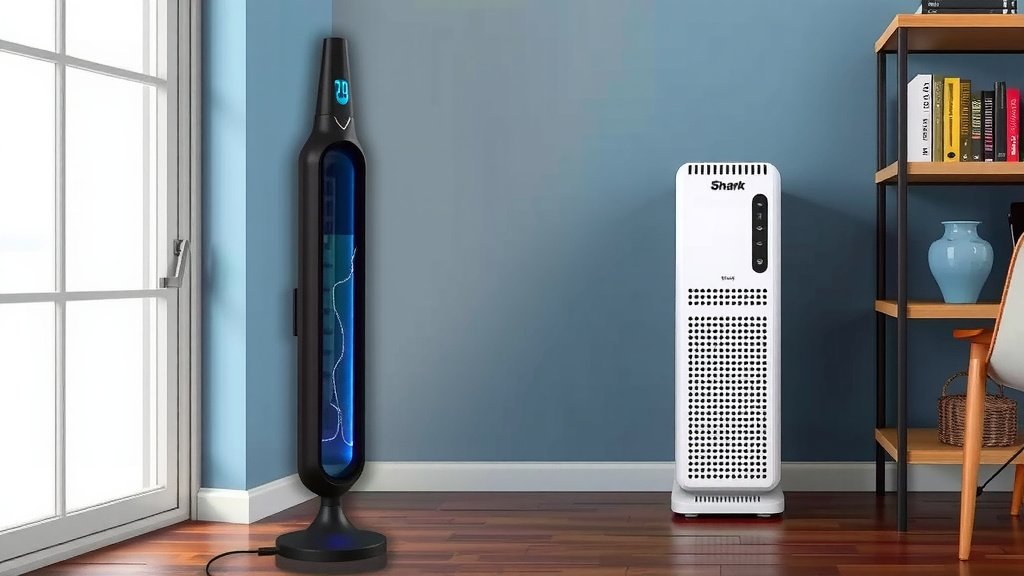
- Ensure the unit is placed in an open area for good air circulation.
- Keep the exterior clean to prevent dust buildup.
- Confirm all filter compartments are securely closed after maintenance.
Conclusion
You now understand the comprehensive cleaning process your Shark air purifier uses. It effectively draws in air, tackles large particles with a pre-filter, captures microscopic irritants like pollen and dander with its True HEPA filter, and eliminates odors with activated carbon. For some models, UV-C light adds another layer of protection against germs. By keeping your filters clean and replacing them as recommended, you’ll ensure your Shark continues to deliver fresher, healthier air into your home. The next step? Make sure you’re following the maintenance checklist to keep your purifier running at peak performance.
Frequently Asked Questions
How often should I clean or replace my Shark air purifier filters?
You should clean the pre-filter about once a month, or more often if you have pets. For the HEPA and activated carbon filters, check your specific Shark model’s manual. Generally, they need replacement every 6 to 12 months, depending on usage and air quality.
Can a Shark air purifier really get rid of pet odors?
Yes, a Shark air purifier with an activated carbon filter is designed to help reduce pet odors. The porous carbon material adsorbs odor molecules from the air, making your home smell fresher. The HEPA filter also traps pet dander, which can contribute to odors.
Are Shark air purifiers noisy?
Shark aims for quiet operation in many of its models. They use efficient fan motors that are designed to be noticeable but not disruptive. Many users find them quiet enough for bedrooms and living areas. You can check specific decibel ratings for different models.
What does “True HEPA” mean on my Shark air purifier?
“True HEPA” means the filter meets strict standards for capturing airborne particles. It guarantees that the filter can trap at least 99.97% of particles that are 0.3 microns in size. This includes common allergens like pollen and dust.
Will my Shark air purifier remove smoke from wildfires?
Yes, the True HEPA filter in your Shark air purifier is effective at capturing smoke particles. These particles are very small and can be harmful to breathe. The activated carbon filter can also help reduce the smoky odors associated with wildfire smoke.