How Long to Run Your Air Purifier for Best Results
Forget the guesswork: for consistently crisp, clean air in your 2026 living space, running your air purifier non-stop is the golden rule. While a brief power-down when you’re off on a long adventure is fine, the consensus among air quality pros is clear: 24/7 operation is your secret weapon. It’s the most effective way to continuously capture those sneaky airborne irritants like dust, pollen, and pet dander the moment they enter the atmosphere.
The exact runtime can depend on your specific needs and the purifier’s capabilities. Factors like allergies, air pollution levels, and the presence of pets or smokers in your home play a big role. Running it more often means cleaner air, but it also impacts energy use.
- Run your air purifier most of the time you’re home for cleaner air.
- Continuous operation is ideal for allergy sufferers and pet owners.
- You can turn it off when away for long periods to save energy.
- Consider your home’s unique air quality needs.
Let’s walk through exactly how long you should be running your air purifier for your specific situation.
Understanding Your Air Purifier’s Runtime Needs
So, how long should your air purifier be working to keep your home’s air as fresh as possible? The general consensus among experts and manufacturers is that continuous operation is best. Think of it like a filter in your car’s HVAC system; you don’t just turn it on when you feel a sneeze coming. You want it to be working consistently to catch pollutants as they enter or are generated.
Running your purifier 24/7 ensures that it’s always on guard. This is especially important if you or someone in your household suffers from allergies or asthma. Pollen, dust mites, and pet dander can become airborne at any moment. A constantly running purifier helps trap these particles before they have a chance to settle or trigger symptoms. It’s about maintaining a consistently cleaner environment.
When to Prioritize Continuous Air Purification
Dealing with Allergies and Asthma
If allergies are a regular struggle in your home, treat your air purifier like a tireless little soldier. Pollen counts can spike unexpectedly, especially during certain seasons. Pet dander is also a constant concern for many. Running your purifier all day and night can make a noticeable difference. We found that many allergy sufferers report better sleep and fewer daytime symptoms when their purifiers are on continuously.
For individuals with asthma, consistent air cleaning is equally vital. Irritants like smoke, strong odors, and fine dust particles can trigger breathing difficulties. A 24/7 run cycle helps mitigate these risks by actively removing potential triggers from the air. It’s a proactive approach to managing respiratory health within your living space. Many health organizations recommend good indoor air quality as a key component in managing asthma (CDC).
Homes with Pets or Smokers
Do you share your home with furry friends or enjoy the occasional cigarette indoors? If so, continuous operation is your best friend. Pets constantly shed dander and hair, and their presence can introduce odors. Smokers, even if they smoke by an open window, release fine particulate matter and odors that linger. An air purifier running non-stop is essential for capturing these persistent airborne particles and smells. You’ll notice a fresher scent and less settled dust.
Areas with High Outdoor Pollution
Living near a busy highway, industrial area, or in a city known for its smog? Your outdoor air quality directly impacts your indoor air. When outdoor pollution levels are high, pollutants can easily seep into your home through windows, doors, and even small cracks. Running your air purifier 24/7 acts as a crucial barrier, filtering out these harmful external particles. It’s like giving your home its own protective bubble.
When Can You Turn Your Air Purifier Off?
Extended Absences from Home
Are you planning a vacation or a business trip that will take you away from home for several days? In these instances, turning off your air purifier is perfectly acceptable. There’s no need to expend energy cleaning air that no one is breathing. Once you return, you can simply switch it back on. It will get to work purifying the air once again.
Some smart purifiers can even be controlled remotely, allowing you to turn them on before you arrive back home to a freshly cleaned environment. This offers a nice balance between energy saving and immediate air quality improvement upon your return. However, for short absences, like running errands or going to work, it’s generally recommended to leave it running.
Occasional Use for Specific Situations
Perhaps you don’t have chronic allergies or pets, and your outdoor air quality is generally good. In this scenario, you might not need to run your purifier 24/7. You could choose to run it primarily during times when you’re home and more active, or when cooking, which can release cooking fumes and particulate matter. This approach can help save on energy costs. However, be aware that this means air quality will fluctuate.
If you decide on this more selective usage, consider running it for at least 8-12 hours a day when you are home. This still provides a substantial amount of air cleaning. Some users find running it on a lower, quieter setting overnight is a good compromise. It ensures continuous cleaning without being disruptive.
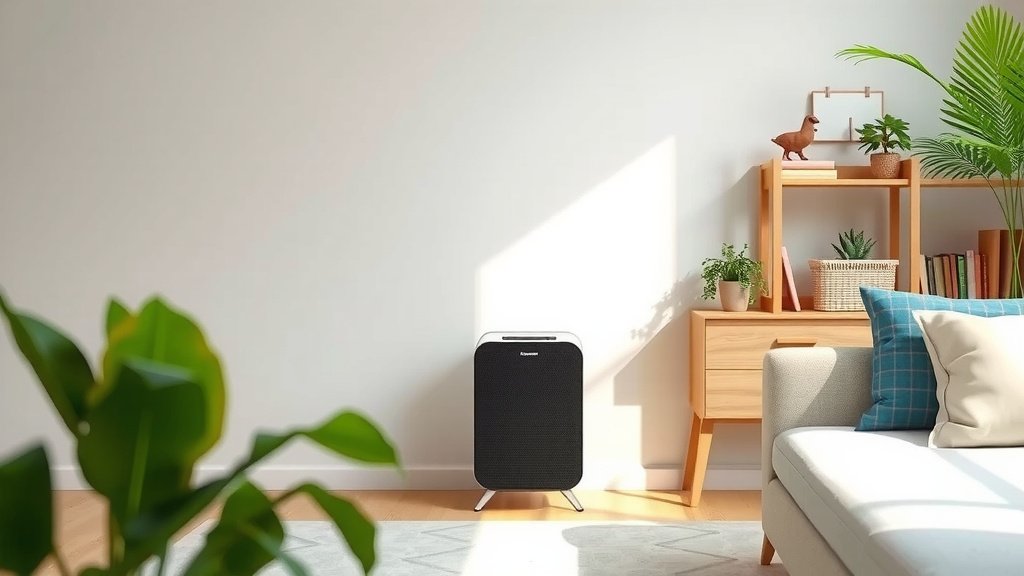
Factors Affecting Your Air Purifier’s Ideal Runtime
Room Size and Purifier Capacity
The effectiveness of your air purifier is also tied to its ability to handle the size of the room it’s in. A purifier that’s too small for a large living room will struggle to clean the air adequately, even if run continuously. Conversely, a powerful unit in a small bedroom might cycle the air very quickly. Always check the manufacturer’s guidelines for room size compatibility. You want a unit that can effectively turn over the air several times per hour (ACH rating).
Filter Type and Maintenance
The type of filter your air purifier uses can also influence how often you need to run it. High-efficiency particulate air (HEPA) filters are excellent at capturing fine particles. Activated carbon filters are great for odors and VOCs (volatile organic compounds). Ensure your filters are clean and replaced according to the manufacturer’s schedule. Dirty filters can actually recirculate pollutants and reduce the unit’s efficiency. Proper filter maintenance is key to **optimal performance**.
Energy Consumption and Cost
Let’s talk energy. Running an air purifier 24/7 will, of course, increase your electricity bill. The amount will vary depending on the unit’s wattage and your local electricity rates. Many modern air purifiers are designed to be energy-efficient, especially on lower settings. If energy cost is a primary concern, you might opt for running it only when you’re home or on a timer. It’s a trade-off between energy savings and consistent air purity. Check the wattage of your unit to estimate potential costs.
Your Personal Air Quality Goals
Ultimately, the decision rests on what you want to achieve with your air purifier. Are you aiming for medically necessary air quality due to severe allergies or respiratory issues? Or are you looking for general freshness and a reduction in everyday dust? For sensitive individuals and those with health concerns, continuous operation is the safest bet. For others, a more flexible schedule might be perfectly adequate.
Checklist for Optimal Air Purifier Use
- Run your purifier continuously if you have allergies, asthma, or pets.
- Turn it off only during extended absences from home.
- Ensure the purifier is rated for your room size.
- Perform regular filter checks and replacements.
- Consider energy usage if cost is a concern.
- Listen to your body – notice any improvements in air quality symptoms.
Conclusion
You’ve learned that running your air purifier continuously is generally the best approach, especially if you have allergies, asthma, pets, or live in an area with poor air quality. It ensures a consistently clean environment by trapping pollutants as they appear. While you can turn it off during extended absences to save energy, most other times call for it to be on. For optimal performance, remember to match the purifier to your room size and maintain its filters. Now, make an informed decision based on your home’s unique needs and your personal air quality goals to start breathing easier!
Frequently Asked Questions
How many hours a day should I run my air purifier?
For the best results, especially with allergies or pets, running your air purifier 24/7 is recommended. If that’s not feasible, aim for at least 8-12 hours a day while you are home. Continuous operation ensures pollutants are captured consistently.
Will running my air purifier all the time increase my electricity bill a lot?
The impact on your electricity bill depends on the air purifier’s wattage and your local energy rates. Many modern units are designed to be energy-efficient, especially on lower settings. You can check your unit’s wattage to estimate potential costs.
Is it okay to turn my air purifier off when I go to work?
If you’re only gone for a typical workday, it’s usually best to leave your air purifier running. This keeps the air clean while you’re out. Turning it off is more appropriate for extended trips lasting several days or more.
Do I need to run my air purifier constantly if I don’t have allergies?
Even without allergies, running your purifier when you’re home can improve general air freshness by removing dust, odors, and other common indoor pollutants. You might not need it 24/7, but running it during active hours or cooking is beneficial.
What happens if I forget to replace my air purifier’s filter?
A neglected filter becomes less effective and can even recirculate pollutants. It’s vital to replace filters according to the manufacturer’s schedule for optimal performance. Check your manual for specific recommendations.
![5 Best Air Purifiers for Emphysema [In 2026]](https://homeunderstandable.com/wp-content/uploads/2025/04/best-air-purifiers-for-emphysema.jpg)