How Often to Change Air Purifier Filter for Best Results
In the ever-evolving landscape of home wellness, keeping your air purifier humming optimally in 2026 is key to breathing easy. The general rule of thumb is to swap out your filter every six to twelve months. However, if your furry friends are contributing to the indoor ecosystem or you’re battling persistent dust bunnies, you might need to bump that up to every three to six months. This consistent maintenance isn’t just a suggestion; it’s the secret sauce to ensuring your purifier is still actively scrubbing your air clean, preventing those unwanted pollutants from settling in and impacting your home’s air quality.
Your air purifier filter acts like a tiny vacuum cleaner for your air. Over time, it gets clogged with dust, pollen, and other particles. When it’s full, your purifier struggles to draw air through, making it less efficient. Many experts suggest checking your filter’s condition monthly, even if you don’t replace it that often. This simple check can help you gauge its lifespan and avoid breathing less-than-fresh air.
- Change most air purifier filters every 6-12 months.
- Check your filter monthly for a better idea of when to replace.
- Pet owners or those in dusty areas may need changes sooner.
- A dirty filter means less clean air and a harder working machine.
Let’s break down exactly what goes into deciding when it’s time to swap out that filter and keep your air pristine.
You’re doing a great job keeping your home’s air clean with your air purifier. But how often should you actually swap out that filter to make sure it’s still doing its best work? We found that most manufacturers recommend changing your air purifier filter every six to twelve months. This timeframe is a general guideline, and your specific needs might call for more frequent changes.
When to Replace Your Air Purifier Filter
Figuring out the right time to change your air purifier’s filter is key. Think of it like changing the oil in your car. Do it too late, and you risk damaging the engine. With an air purifier, a clogged filter means your machine works harder and cleans less effectively.
Understanding Filter Lifespan Factors
Several factors influence how long your filter will last. These aren’t just suggestions; they’re real-world conditions that impact your filter’s performance. Paying attention to these can save you money and improve your air quality.
Your Home Environment
The air in your home is unique. Is it filled with allergens, or is it generally clean? We found that a dusty environment, like one near a busy road or under construction, will clog a filter much faster. Pollen counts also play a big role, especially if you have allergies.
Pets and Their Fur
Do you have furry friends running around? Pets are wonderful, but their shedding adds a lot of extra load to your air purifier filter. Dog and cat dander is a common culprit that clogs filters faster than you might think. If you have multiple pets, you might need to change your filter more often than the average.
Cooking Habits
Believe it or not, cooking can affect your air purifier. Frying, broiling, or even just heavy use of the stovetop can release grease particles and odors into the air. These can quickly accumulate on your filter. If you’re a frequent cook, consider this an extra factor.
Air Purifier Usage
When and how you use your air purifier matters. Running it 24/7 means it’s constantly working and collecting particles. If you only turn it on during certain times of the day or in specific rooms, the filter might last longer. However, for consistent air cleaning, continuous use is best.
Signs Your Filter Needs Changing
Sometimes, your air purifier will give you clues that it’s time for a new filter. Ignoring these signs means you’re essentially breathing in stale, filtered air. Don’t let your good intentions go to waste!
Reduced Airflow
One of the most obvious signs is a noticeable decrease in the amount of air coming from your purifier. If it sounds like it’s wheezing or struggling to push air out, the filter is likely blocked. Think of it like trying to suck a thick milkshake through a tiny straw. It’s hard work!
Unpleasant Odors
If your air purifier starts to emit a musty or unpleasant smell, it’s a clear indicator. The filter has likely trapped so many pollutants and odors that it can no longer absorb them effectively. It might even be re-releasing trapped particles back into your air.
Visible Dirt or Discoloration
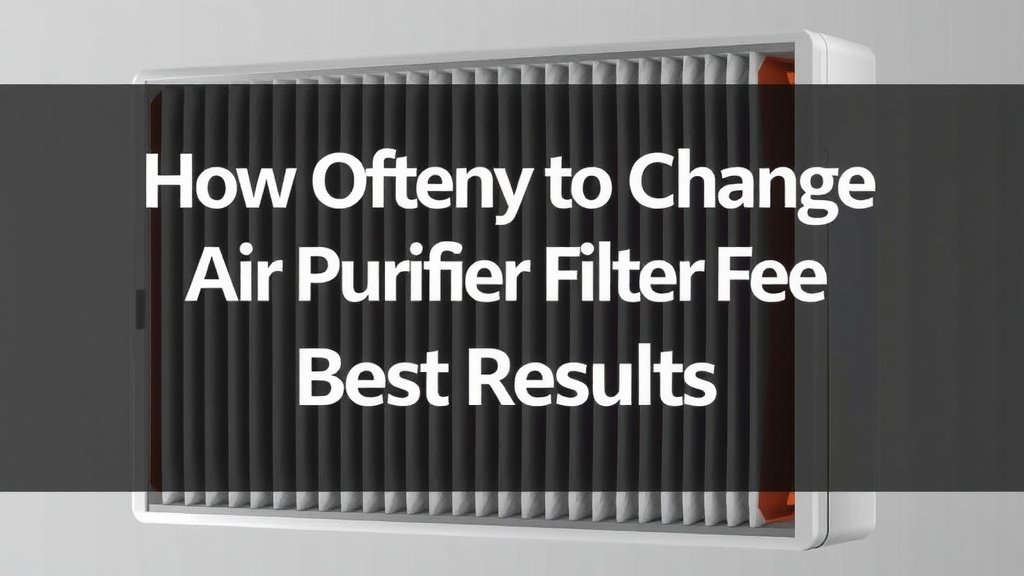
Occasionally, you can visually inspect your filter. If it looks visibly dirty, gray, or even black, it’s definitely time for a change. Some HEPA filters are white, so any significant discoloration is a sign of a full filter (CDC).
Your Air Purifier’s Indicator Light
Many modern air purifiers come with a filter change indicator light. This is a helpful reminder built right into the machine. While convenient, it’s still a good idea to check the filter manually now and then, as these indicators aren’t always perfectly calibrated.
General Filter Replacement Schedule
Most manufacturers provide a recommended replacement schedule for their filters. This is usually found in your air purifier’s user manual. It’s your best starting point for understanding your specific model’s needs. Many experts agree that following these guidelines is essential for optimal performance.
HEPA Filters vs. Activated Carbon Filters
Your air purifier might use different types of filters, and their lifespans can vary. A common setup includes a pre-filter, a HEPA filter, and an activated carbon filter.
- Pre-filters: These are washable and catch larger particles like hair and dust. They protect the main filters and can last a long time if cleaned regularly.
- HEPA Filters: These are the workhorses for fine particles like pollen, mold spores, and dust mites. They typically need replacing every 6 to 12 months.
- Activated Carbon Filters: These filters are great for absorbing odors and VOCs (volatile organic compounds). They often have a shorter lifespan than HEPA filters, sometimes needing replacement every 3 to 6 months, especially if odors are a concern.
The Impact of Filter Type on Lifespan
The type of filter you have directly influences its lifespan. A simple particulate filter will last longer than a carbon filter designed to capture odors. Many high-end air purifiers combine these technologies to offer a comprehensive cleaning solution. Understanding which filter does what helps you manage their replacement schedules effectively. We found that a combined filter might have a lifespan dictated by its component with the shortest life.
Making the Most of Your Filter’s Life
Want to extend the life of your air purifier filter as much as possible? A few simple habits can help. It’s not just about replacement; it’s also about maintenance. This can lead to cost savings and better air quality for longer.
Regular Cleaning of Pre-Filters
If your air purifier has a washable pre-filter, make sure you clean it regularly. Most manuals suggest cleaning it once a month. A simple vacuuming or gentle wash can remove trapped dust and debris. This prevents the pre-filter from becoming overloaded and sending more particles to the main filters.
Proper Placement of Your Air Purifier
Where you place your air purifier matters. Ensure it has plenty of space around it to draw air in freely. Don’t block the air intake or the output. Placing it too close to walls or furniture can restrict airflow and make the filter work harder, shortening its life.
Consider these tips for optimal placement:
- Keep it at least 1-2 feet away from walls and furniture.
- Avoid placing it directly in a corner.
- Ensure it’s not obstructed by curtains or other items.
- Place it in the room where you spend the most time.
Using Your Air Purifier Consistently
As mentioned before, consistent use can actually help manage your filter’s load. While running it 24/7 means more wear, it also means particles are captured evenly over time. Intermittent use can lead to large buildups when it’s finally turned on. The goal is to capture pollutants before they become overwhelming.
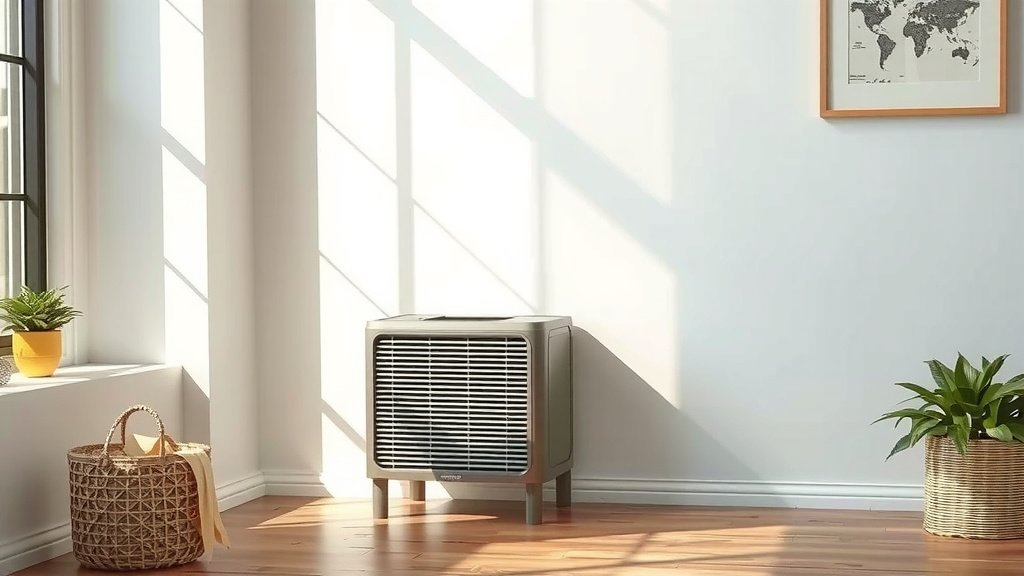
Filter Replacement Checklist
To help you stay on track, here’s a quick checklist for managing your air purifier filter:
- Check your air purifier manual for the recommended filter lifespan.
- Inspect your filter visually once a month.
- Listen for changes in airflow or new noises from the unit.
- Note if you notice increased dust or lingering odors.
- Set a reminder on your calendar for filter replacement.
- Clean washable pre-filters as recommended (usually monthly).
Conclusion
You’re taking great steps for your home’s air quality by using an air purifier. Remember, changing your filter is key to its effectiveness. Most filters last 6 to 12 months, but this can change based on your home’s environment and usage. Pay attention to reduced airflow, strange smells, or indicator lights. Regularly checking your filter monthly will give you the best sense of when it’s time for a replacement. For the cleanest air possible, make filter replacement a consistent part of your home maintenance routine.
Frequently Asked Questions
How do I know if my air purifier filter needs changing if it doesn’t have an indicator light?
You can often tell by reduced airflow from the unit; it will feel weaker. Also, listen for any new noises or a struggling sound from the fan. If you notice more dust settling around your home or lingering odors, it’s a strong sign the filter is clogged and needs replacement.
Can I wash my HEPA filter instead of replacing it?
Generally, no. HEPA filters are designed to trap very fine particles and are not meant to be washed. Washing a HEPA filter can damage its delicate structure and make it less effective at filtering your air. Always check your manual, but replacement is almost always recommended for HEPA filters.
What happens if I don’t change my air purifier filter often enough?
If you don’t change your filter, it will become overloaded with dust and pollutants. This significantly reduces the amount of air your purifier can clean, making it less effective. It can also cause the unit to work harder, potentially shortening its lifespan and even releasing trapped particles back into your air.
Do air purifiers work as well in smaller rooms with a larger unit?
Yes, an air purifier can still be effective in a smaller room even if it’s rated for a larger space. However, the filter might last longer because it’s not working as hard to cycle the air. Running a powerful purifier in a small space can lead to very clean air, but it’s still essential to monitor filter life based on usage.
How often should I change my air purifier filter if I live in a highly polluted city?
If you live in an area with high outdoor pollution levels, your air purifier filter will likely need changing more frequently. The constant influx of outdoor pollutants will clog the filter faster. You might find yourself needing to replace your filter every 3 to 6 months, rather than the standard 6 to 12 months.
![What Is The Best Air Purifier for Bad Smells [In 2026]](https://homeunderstandable.com/wp-content/uploads/2025/06/best-air-purifier-for-bad-smells-eliminate-odors-with-levoit-mooka-768x719.jpg)