How Many Air Purifying Plants Do You Need for Fresh Air
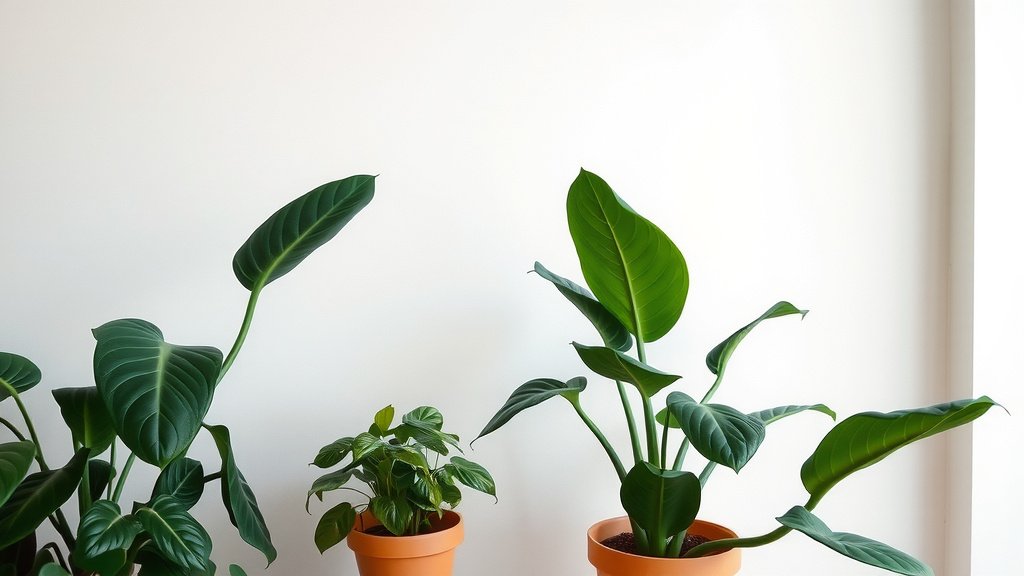
The number of air purifying plants you need depends on your room size and the specific plants you choose. As a general guide, aim for at least one plant per 100 square feet of living space. This helps create a noticeable improvement in your home’s air quality. Don’t worry if it sounds like a lot; we’ll help you figure out the best strategy.
While a single plant might offer a small benefit, multiple plants are key for truly fresher air. Different plants have varying abilities to filter out common indoor pollutants. Factors like plant size and leaf surface area also play a role in their purifying power. We’ve found that a thoughtful selection makes a big difference.
- There’s no single magic number for air purifying plants.
- Room size is a major factor in how many you need.
- Plant type and size also impact their effectiveness.
- Focus on creating a balanced plant presence.
Let’s dive into the details and help you determine the perfect plant count for your home.
How Many Air Purifying Plants Do You Actually Need?
Figuring out the right number of air purifying plants for your home can feel a bit like guessing. But we’ve found that a few key factors can help you get a much clearer picture. It’s not about filling every corner, but about smart placement and choosing the right leafy companions. Let’s break it down.
The general rule of thumb is to aim for at least one plant per 100 square feet of living space. Think of it this way: if you have a 400-square-foot living room, you’d want around four plants in that area. This isn’t a hard and fast law, but it’s a good starting point. We found that this ratio helps create a noticeable difference in your home’s air quality.
Understanding Your Space: Room Size Matters
The biggest influencer on how many plants you need is the size of your room. A tiny studio apartment will need far fewer plants than a sprawling open-plan house. It makes sense, right? More space means more air to circulate and potentially more pollutants to filter.
Small Rooms vs. Large Areas
For smaller spaces, like a 10×10 foot bedroom, one or two medium-sized plants might be perfectly sufficient. You don’t want to overcrowd the space, making it feel cramped. On the other hand, a large living room that’s 20×20 feet might benefit from four to six plants. This helps ensure that the purifying power is distributed throughout the area.
The Impact of Ceiling Height
Don’t forget about ceiling height! Rooms with very high ceilings have a larger volume of air. This means you might need a few extra plants to effectively clean the air compared to a room of the same square footage but with standard ceilings. It’s about the total air volume, not just the floor space.
Plant Power: Type and Size Considerations
Not all plants are created equal when it comes to air purification. Some are much better at their job than others. Think of it like different tools for different tasks. A trowel won’t dig a trench like a shovel will.
Leaf Surface Area: The More, The Better
Research has shown that plants with larger leaves generally have a greater surface area to absorb pollutants (NCBI). Plants like the Boston Fern or the Areca Palm are great examples. Their broad, lush foliage means they can capture more airborne particles than plants with small, delicate leaves. So, when you’re choosing, look for those leafy giants!
Specific Plant Effectiveness Rankings
While many plants offer some level of air purification, a few stand out. The NASA Clean Air Study is a well-known reference point. It identified several plants effective at removing common indoor toxins like formaldehyde, benzene, and trichloroethylene. For example, the Spider Plant, Snake Plant, and Peace Lily are consistently ranked high. We found that incorporating a mix of these potent purifiers is a smart strategy.
| Plant Name | Key Pollutants Filtered | Best For |
|---|---|---|
| Snake Plant (Sansevieria) | Formaldehyde, Benzene, Xylene, Trichloroethylene | Low light, bedrooms (converts CO2 to O2 at night) |
| Spider Plant (Chlorophytum comosum) | Formaldehyde, Xylene, Toluene | Beginners, kitchens, bathrooms |
| Peace Lily (Spathiphyllum) | Ammonia, Benzene, Formaldehyde, Trichloroethylene | Living rooms, offices (reports of toxicity to pets) |
| Areca Palm (Dypsis lutescens) | Formaldehyde, Xylene, Toluene | Larger spaces, humidifiers air |
| Boston Fern (Nephrolepis exaltata) | Formaldehyde, Xylene | High humidity areas, bathrooms, kitchens |
Size of the Plant Matters
A tiny seedling won’t purify air as effectively as a mature, robust plant. Larger plants with more foliage are simply more efficient. If you’re starting out, don’t be afraid to invest in a few larger specimens. They’ll start making a difference much sooner.
Strategic Placement for Maximum Impact
Where you put your plants is almost as important as how many you have. Think about airflow and where pollutants tend to gather.
Focus on High-Traffic Areas
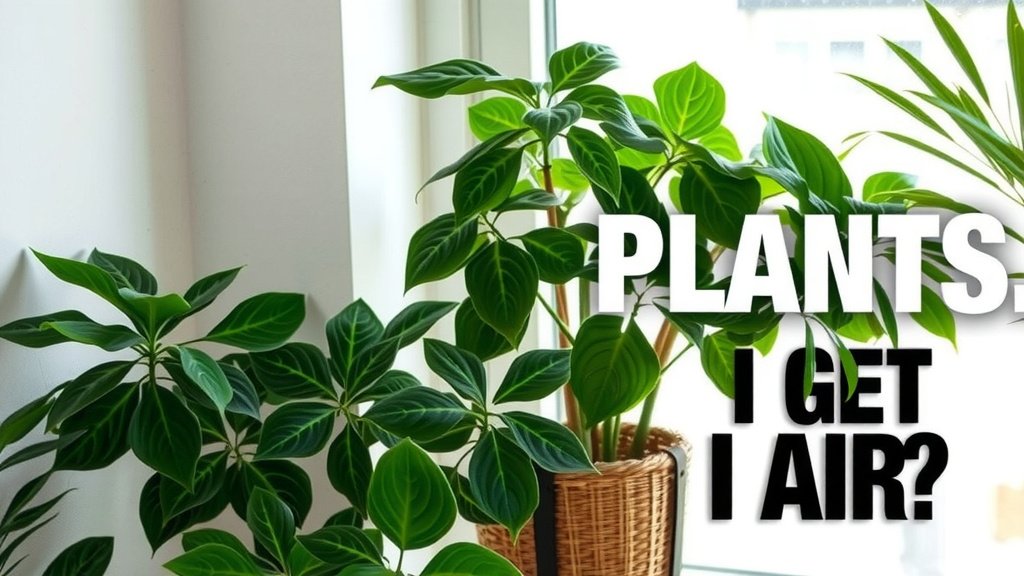
Bedrooms, living rooms, and home offices are prime locations. These are the spaces where you spend the most time. You want to ensure the air you breathe is as clean as possible. We found that placing plants near windows can also help, as they benefit from indirect sunlight and can help filter air that enters.
Consider Airflow and Ventilation
Plants can help improve air quality, but they work best when air can circulate around them. Avoid tucking plants away in dark, dusty corners where air doesn’t move much. A little bit of airflow helps them do their job more effectively. Placing them near a gentle fan or in a spot with natural breezes can be beneficial.
A Practical Checklist for Your Plant Count
Ready to figure out your personal plant number? Use this simple checklist:
- Measure the square footage of each room you want to treat.
- Decide on your primary air-purifying plants based on effectiveness.
- Consider the size and leaf surface area of the plants you’ll choose.
- Account for high-traffic areas where you spend the most time.
- Remember to factor in high ceilings if your rooms are extra tall.
- Start with the recommended ratio and adjust based on your results.
By considering these factors, you can move beyond guesswork and create a healthier home environment with the right number of green companions. It’s all about finding that sweet spot where you get the best air-purifying benefits without overwhelming your living space.
Conclusion
You’ve learned that determining the right number of air purifying plants isn’t about a single magic number. It’s a thoughtful balance of room size, plant type, and their size. We found that a general guide of one plant per 100 square feet is a great starting point. But remember to factor in ceiling height and the leaf surface area of your chosen plants.
Now, take that checklist and start measuring your space. Your next step is to pick out those leafy helpers that will bring fresher air and vibrant life into your home. You’re well on your way to a healthier living environment!
Frequently Asked Questions
Do I really need a plant for every 100 square feet?
The 1 plant per 100 square feet is a helpful guideline to start with. For smaller rooms or if you already have good ventilation, you might need fewer. We found that more plants generally mean better air quality, but focus on strategic placement too.
What if I have very high ceilings?
Rooms with high ceilings have more air volume to purify. You may want to add an extra plant or two in these spaces to effectively clean the larger amount of air. It’s about the total air volume, not just the floor space.
Are small plants just as effective as large ones?
No, larger plants with more leaf surface area are generally more efficient at filtering air. A small seedling won’t have the same purifying power as a mature, bushy plant. We recommend investing in larger specimens for quicker results.
Can I just put one big plant in a large room?
While one large plant is better than none, it might not be enough for a very large space. Spreading out multiple plants, even smaller ones, can help distribute the air-purifying benefits more evenly throughout the room. Strategic placement is key.
How do I know if my plants are actually working?
You might notice a subtle difference in the air’s freshness over time. While it’s hard to measure without equipment, consistently having healthy, thriving plants, especially those known for purification, is a good indicator. You’re creating a healthier atmosphere.
![5 Best Indoor Air Purifier for Allergies [In 2026]](https://homeunderstandable.com/wp-content/uploads/2025/05/best-indoor-air-purifier-for-allergies.jpg)