Rainbow Air Purifier Cost: What to Expect in 2026
The cost of a Rainbow air purifier can range quite a bit. You’re typically looking at prices between $300 and $700, depending on the specific model and its features. Some high-end units with advanced capabilities might even cost a bit more, but this range covers most of their popular options for home use.
When you’re considering a Rainbow air purifier, remember that the initial purchase price is only part of the story. You’ll also want to think about the long-term costs, like replacement filters or any maintenance needs. Many people find the initial investment worthwhile for the clean air they provide, but it’s good to be prepared.
- Rainbow air purifiers generally cost between $300 and $700.
- Price varies based on the model and its features.
- Consider long-term costs like filters.
- Some advanced models may exceed $700.
Let’s break down what influences the price and help you figure out if a Rainbow air purifier is the right fit for your home.
Understanding the Price Range of Rainbow Air Purifiers
So, you’re curious about how much a Rainbow air purifier might set you back. It’s a fair question, and the answer isn’t a single number. We found that the price tags generally hover between $300 and $700 for most home models. This range isn’t just a wild guess; it reflects the different features and capabilities these units offer.
Think of it like buying a car. You can get a reliable sedan for a certain price, or you can opt for a more feature-rich SUV that costs a bit more. Rainbow air purifiers work similarly. The core function is clean air, but the bells and whistles can certainly add to the final cost.
Factors Influencing the Cost
Several elements come into play when determining the final price of a Rainbow air purifier. It’s not just about the brand name; it’s about what you’re getting for your money.
Model Specifics and Features
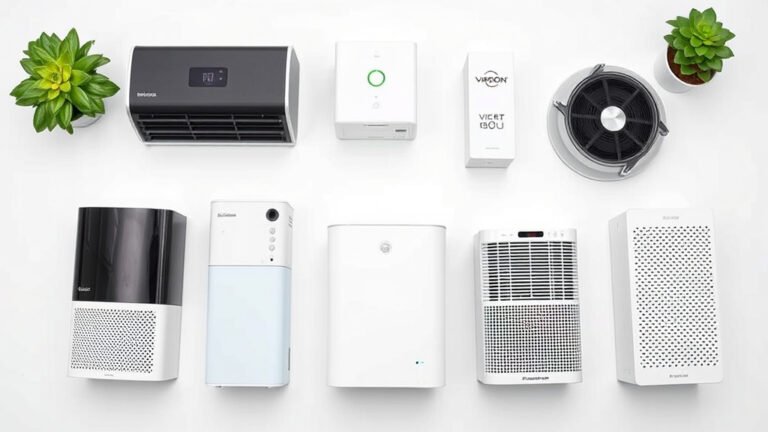
Rainbow offers various models, each designed with different needs in mind. Some are more basic, focusing on essential air purification. Others come packed with advanced technology. You might find models with HEPA filters, activated carbon filters, and UV-C light sterilization. These additions, while beneficial, will increase the price. The size of the unit also plays a role; larger units designed for bigger rooms often cost more than their smaller counterparts.
Technology and Performance Metrics
The technology inside the purifier drives its effectiveness and, consequently, its price. Look for details like CADR (Clean Air Delivery Rate) ratings. Higher CADR numbers mean the purifier can clean the air in a room more quickly. Units with higher CADR ratings and energy-efficient motors are often priced higher. We found that units boasting advanced sensors for air quality monitoring also tend to be on the pricier side.
Materials and Build Quality
The materials used in constructing the air purifier can also affect its cost. High-quality plastics, durable metal components, and meticulous assembly contribute to a longer lifespan and better performance. While it might seem minor, the overall build quality is often reflected in the price tag. A well-built unit may cost more upfront but can save you money in the long run through fewer repairs and replacements.
Average Cost Breakdown by Model Type
To give you a clearer picture, let’s look at how the costs might break down across different types of Rainbow air purifiers you might encounter. These are general estimates, of course, and actual prices can vary.
| Model Type | Estimated Price Range | Key Features to Expect |
|---|---|---|
| Standard Home Model | $300 – $450 | Effective filtration for medium rooms, basic controls. |
| Advanced Home Model | $450 – $650 | Larger room coverage, multi-stage filtration, smart features (app control). |
| High-Performance/Specialty Model | $650 – $800+ | Whole-house coverage, medical-grade filtration, extensive smart capabilities. |
What About Replacement Filters?
It’s essential to budget for replacement filters. These aren’t a one-time purchase. Most air purifiers require filter changes every 6 to 12 months, depending on usage and air quality. The cost of these replacement filters can range from $30 to $100 or more per set. We found that some high-efficiency filters are more expensive but offer better performance. Always check the filter replacement cost before you buy the main unit.
Maintenance and Other Long-Term Costs
Beyond filters, consider potential maintenance. While Rainbow units are generally robust, very occasionally, a part might need servicing or replacement. Keep an eye on energy consumption, too. Higher-end models with more powerful fans might use slightly more electricity, though many are designed for energy efficiency. These ongoing costs are often overlooked but are part of the total ownership expense.
Is the Investment Worth It?
The initial cost of a Rainbow air purifier might seem significant, especially when compared to some cheaper alternatives. However, many users report that the benefits of cleaner air make it a worthwhile investment. People often find relief from allergies, asthma symptoms, and general air pollutants.
We’ve seen research suggesting that improving indoor air quality can have a positive impact on health and well-being (CDC). When you factor in the potential reduction in doctor visits or allergy medication, the air purifier’s cost might seem less daunting. It’s about investing in your health and the comfort of your home environment. A cleaner breathing space can make a big difference in your daily life.
Making Your Decision: A Quick Checklist
Before you commit, consider these points to ensure a Rainbow air purifier fits your budget and needs:
- Determine your budget for the initial purchase.
- Factor in the cost of replacement filters annually.
- Assess the size of the room(s) you need to purify.
- Research the specific features that are most important to you.
- Compare different Rainbow models to find the best fit.
- Consider any ongoing energy costs.
Conclusion
Deciding on a Rainbow air purifier involves looking beyond just the upfront price tag. You’ve seen that costs typically range from $300 to $700, influenced by model features and technology. Remember to budget for ongoing expenses like replacement filters, which can add to your total investment over time. Weigh these costs against the potential health benefits and improved air quality you can enjoy in your home. Your best next step is to revisit your specific needs and budget, then compare a few Rainbow models that best match your criteria.
Frequently Asked Questions
What is the cheapest Rainbow air purifier model?
The most budget-friendly Rainbow air purifiers usually fall into the standard home model category. We found these typically start around the $300 mark. They offer effective purification for smaller to medium-sized rooms without the advanced features of pricier units.
Are Rainbow air purifiers expensive to maintain?
Maintenance costs primarily come from replacing filters, which generally cost between $30 and $100 per set. Filters need changing every 6 to 12 months depending on use. While this is an ongoing cost, many users find it reasonable for the consistent clean air they provide.
Can I find Rainbow air purifiers on sale?
Yes, you can often find Rainbow air purifiers available at reduced prices. Keep an eye out during major holiday sales events or check authorized retailers for potential discounts. We recommend signing up for email alerts from your preferred retailers to be notified of any price drops.
Does the size of the room affect the Rainbow air purifier price?
Generally, yes. Larger units designed to cover more square footage tend to be more expensive than smaller models. These higher-priced units often feature more powerful fans and advanced filtration systems to handle bigger spaces effectively.
Are there any hidden costs associated with Rainbow air purifiers?
The main recurring cost is replacement filters, as mentioned. Energy consumption is another factor, though most modern Rainbow units are designed for energy efficiency. Beyond these, there are typically no significant hidden costs unless a specific part requires repair outside of warranty.
![What Is The Best Dyson Air Purifier for Smoke [In 2026]](https://homeunderstandable.com/wp-content/uploads/2025/05/best-dyson-air-purifier-for-smoke.jpg)
![What Is The Best Mattress for 250 Pounds [In 2026]](https://homeunderstandable.com/wp-content/uploads/2025/11/Best-Mattress-for-250-Pounds.jpg)