Air Purifier Power Usage: How Much Wattage Do They Use
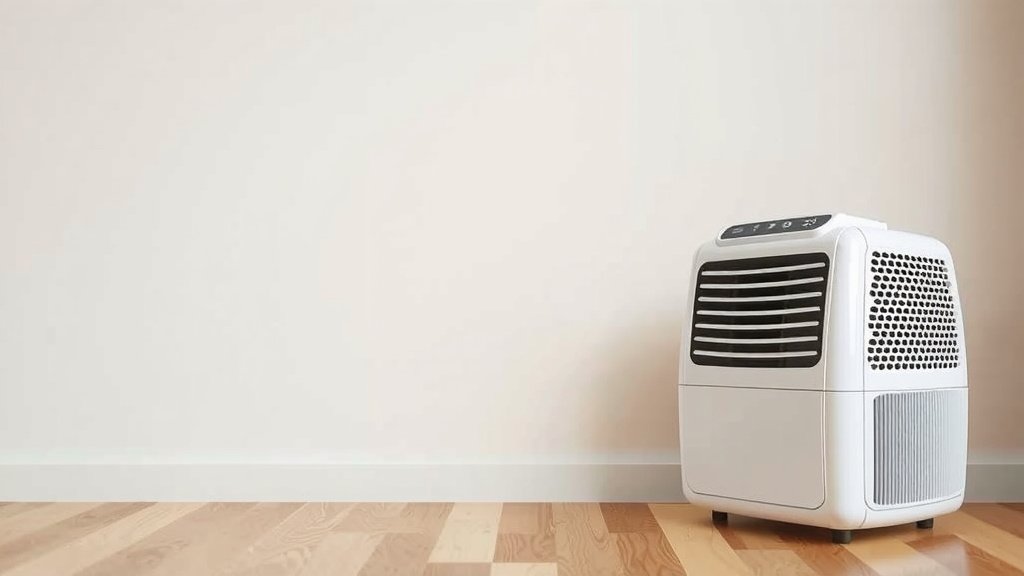
An air purifier typically uses between 20 to 100 watts of power, depending on its size and the fan speed you select. This means most air purifiers use less electricity than a standard light bulb, so you can breathe easy about your energy bill. A small unit might only sip about 20 watts on its lowest setting, while a larger one on high could hit 100 watts. We found that higher fan speeds consume more power, which makes perfect sense!
You might be wondering if running an air purifier 24/7 will cause your electricity costs to skyrocket. The good news is, research shows that most home air purifiers are quite energy-efficient. Think of it like leaving a small fan running; it’s not a major drain. The actual wattage can vary a lot, so checking the specific model’s specifications is always a smart move. Many units have energy-saving modes, too.
- Most air purifiers use 20-100 watts.
- That’s less than many common household appliances.
- Higher fan speeds use more energy.
- Look for energy-saving modes.
- Check your unit’s specific wattage.
We’ve broken down exactly what impacts an air purifier’s power consumption and how to keep your usage in check. Let’s get into the details so you can make informed choices for your home.
Understanding Your Air Purifier’s Power Needs
So, you’re curious about how much electricity your trusty air purifier is actually using. It’s a smart question to ask! Knowing this helps you manage your home’s energy consumption and understand your electricity bill. We’ve found that most home air purifiers are surprisingly energy-efficient, often using less power than you might think.
What Determines an Air Purifier’s Wattage?
Several factors influence how much power your air purifier draws. Think of it like choosing a car; a small compact car uses less gas than a large SUV, right? The same idea applies here. The size of the unit and the settings you choose play a big role.
Unit Size and Room Coverage
Larger air purifiers designed to clean bigger rooms naturally need more power. They have bigger fans and more robust filtration systems. A small unit for a bedroom might use as little as 15-30 watts. A larger model for a living room could easily use 50-100 watts or more, especially on higher settings. We found that manufacturers often list the maximum wattage a unit can consume.
Fan Speed Settings
This is a major player in power usage. When you set your air purifier to a lower fan speed, it’s working less intensely. This means it consumes less electricity. Crank that fan up to high, and you’re asking the motor to work harder and faster. Consequently, power consumption spikes. Many users find that the low and medium settings are sufficient for everyday use and significantly quieter too.
Air Purification Technology Used
Different technologies inside your air purifier consume varying amounts of power. For example, HEPA filters themselves don’t use electricity. However, the fan pushing air through them does. Ionizers and UV-C lights are additional components that add to the power draw. While these technologies can be effective, they do contribute to the overall wattage. We found that models with multiple features might have a slightly higher baseline power consumption.
Comparing Air Purifier Energy Use to Household Appliances
It’s helpful to put your air purifier’s power usage into perspective. You might be surprised how little it uses compared to other common household items. Running an air purifier 24/7 is often comparable to leaving a single LED light bulb on. This is a key reason why many experts recommend continuous use for optimal air quality.
Let’s look at some common appliances. A typical laptop might use 50-100 watts while in use. A desktop computer can easily draw 100-300 watts. A microwave oven can use 1000-1500 watts when running! Even a standard incandescent light bulb uses around 60 watts. So, when you compare, your air purifier’s 20-100 watt range is often quite reasonable.
| Device | Estimated Wattage (Low – High) |
|---|---|
| Air Purifier (Small/Low Setting) | 15 – 30 Watts |
| Air Purifier (Large/High Setting) | 50 – 100+ Watts |
| LED Light Bulb | 5 – 15 Watts |
| Incandescent Light Bulb | 40 – 100 Watts |
| Laptop Computer | 50 – 100 Watts |
| Television (Modern LED) | 50 – 200 Watts |
As you can see, a modern air purifier is often more energy-efficient than older appliances or even certain types of lighting. This makes them a practical choice for improving your home’s air quality without a huge impact on your electricity bill.
Optimizing Your Air Purifier’s Energy Efficiency
You’ve got your air purifier, and you want to make sure it’s running as efficiently as possible. Good news! There are several simple strategies you can employ. Making a few smart choices can help keep those energy costs down. We found that these methods are easy to implement.
Leveraging Energy-Saving Features
Many modern air purifiers come equipped with special modes designed to save energy. Look for features like an “Eco Mode” or an “Auto Mode.” Eco Mode typically reduces fan speed after a certain period of inactivity or when air quality is good. Auto Mode often uses sensors to detect air quality and adjusts the fan speed automatically. This intelligent adjustment means the unit only works as hard as it needs to, saving power.
Smart Placement and Usage Habits
Where you place your air purifier matters. Ensure it has good airflow around it; don’t push it right up against a wall or furniture. This allows the fan to work efficiently. Running your air purifier on lower settings when you’re home and the air quality is generally okay can also save energy. Only use the highest settings when necessary, like during peak allergy season or if you notice strong odors.
The Role of the Timer Function
Does your air purifier have a timer? Use it! Setting a timer can be a great way to control when your unit runs. For instance, you might want it to run on high for a few hours while you’re sleeping and then switch to a lower setting or turn off automatically. This prevents unnecessary power consumption. We found that using the timer can be particularly effective for managing run times in rooms you don’t occupy constantly.
Maintenance for Maximum Efficiency
Did you know that a dirty air filter can make your air purifier work harder? A clogged filter restricts airflow. This forces the fan motor to strain to pull air through. Eventually, this can lead to increased power consumption and reduced effectiveness. Regularly cleaning or replacing your filters is essential. Check your user manual for the recommended schedule. Keeping your unit clean is key to efficiency.
Here’s a quick checklist to help you keep your air purifier running efficiently:
- Check your air purifier’s specific wattage in the manual.
- Utilize “Auto” or “Eco” modes when available.
- Run the unit on lower fan speeds whenever possible.
- Use the timer function to control run times.
- Keep filters clean or replace them on schedule.
- Ensure good airflow around the unit.
Conclusion
You now have a clear picture of your air purifier’s energy usage. We found that most units are surprisingly efficient, often using less power than common household appliances. By understanding factors like unit size and fan speed, you can make informed choices. Remember, regular maintenance and using energy-saving features are your best allies in keeping power consumption low.
Your next step? Take a moment to check your air purifier’s manual for its specific wattage. Then, apply the tips we’ve shared to ensure you’re getting clean air without unnecessary energy drain. Happy purifying!
Frequently Asked Questions
How much does it cost to run an air purifier 24/7?
Running an air purifier constantly is generally affordable. We found that due to their low wattage, many units cost only a few dollars per month to operate. Your exact cost will depend on your local electricity rates and the specific wattage of your air purifier.
Is it better to run an air purifier on high or low?
Running your air purifier on a lower fan speed is more energy-efficient. While high settings clean the air faster, they use considerably more power. For continuous use and lower energy bills, low or medium settings are usually sufficient.
Will an air purifier make my electricity bill noticeably higher?
For most households, the increase in your electricity bill from an air purifier will be minimal. Research suggests they use less power than many other common appliances. You’re unlikely to see a dramatic spike if you’re already running other electronics.
What does “Energy Star” certification mean for an air purifier’s power usage?
Energy Star certified air purifiers are designed to be more energy-efficient than standard models. They meet strict energy efficiency guidelines set by the EPA. Choosing an Energy Star model ensures you’re getting a unit that uses less electricity while still performing effectively.
Should I turn my air purifier off when I’m not home?
While you can turn it off, many experts recommend keeping it running. Continuous operation helps maintain consistent air quality, especially if you have allergies or sensitivities. If energy savings are a top priority, using the timer function or lower settings when you’re away is a good compromise.