How Often to Change Air Purifier Filter for Best Air Quality
In 2026, with our focus sharper than ever on indoor well-being, knowing when to swap out your air purifier filter is key to breathing truly clean air. While the general guideline sits between six and twelve months, the real answer is a bit more nuanced. Factors like your specific filter technology and just how much you rely on your purifier day in and day out will dictate the ideal replacement schedule to ensure you’re always getting peak performance and the freshest air possible.
Getting this right helps your air purifier work its best. A clean filter means better air quality for your home. It also helps prevent your purifier from working too hard, saving you energy. Don’t wait too long, or you might notice less clean air.
- Filter lifespan varies by type.
- Usage frequency is a key factor.
- Check your model’s specific recommendation.
- Signs of a clogged filter are important.
- Regular changes ensure optimal air cleaning.
Below, we’ll break down exactly when and why you need to swap out that air purifier filter. Let’s get your air nice and fresh again!
“`html
When to Replace Your Air Purifier Filter
Figuring out when to change your air purifier filter is key for clean air. Most manufacturers suggest a replacement every 6 to 12 months. This timeframe is a good starting point for many homes. However, several factors can make this period shorter. Your filter’s job is to capture tiny particles. When it gets full, it can’t do that job well.
Understanding Your Air Purifier’s Filter Types
The type of filter inside your air purifier has a big impact. Different materials capture different things. They also have different lifespans. Knowing your filter type helps you predict when it needs changing. It’s like knowing when your car’s oil needs changing.
HEPA Filters: The Workhorses
True HEPA filters are designed to trap at least 99.97% of airborne particles. This includes dust, pollen, pet dander, and mold spores. Because they capture so much, they can fill up faster. Most HEPA filters last between 6 and 12 months. This depends on how often you run your purifier and your home’s air quality.
Activated Carbon Filters: For Odors and Gases
Activated carbon filters are different. They work by adsorbing, or trapping, odors and volatile organic compounds (VOCs). Think smoke, cooking smells, and chemical fumes. These filters don’t trap as many physical particles. Their lifespan is often shorter than HEPA filters, sometimes needing replacement every 3 to 6 months. Some purifiers have a combined HEPA and carbon filter. In this case, the carbon part might get saturated sooner.
Pre-filters: The First Line of Defense
Many air purifiers have a pre-filter. This is usually a washable mesh layer. Its job is to catch larger particles like hair and large dust bunnies. This protects the main HEPA and carbon filters. Pre-filters extend the life of the other filters. You should clean your pre-filter regularly, often monthly. This keeps your main filters working efficiently longer.
Factors That Affect Filter Lifespan
While general guidelines exist, your specific home environment plays a huge role. Think about how you use your air purifier. It’s not just a set-it-and-forget-it appliance. You need to consider its surroundings.
How Often You Run Your Air Purifier
This is probably the biggest factor. If your air purifier runs 24/7, its filter will clog much faster. This is because it’s constantly working. If you only run it for a few hours a day, the filter will last longer. For example, a purifier running on high speed all day will need more frequent filter changes. A unit used intermittently might last the full 12 months. It’s about the amount of air processed.
Your Home’s Air Quality and Environment
Do you live near a busy road? Do you have pets that shed a lot? Are there smokers in the house? All these things impact your air quality. A home with heavy dust, frequent cooking, or pets will strain your air purifier. These conditions mean more particles are in the air. This forces your filter to work harder and fill up sooner. We found that homes with pets often need filter changes closer to the 6-month mark.
The Size of Your Air Purifier and Room
Using an air purifier that’s too small for your room means it will constantly run at high capacity. This can shorten its filter life. The purifier has to work overtime to clean the air. Conversely, a properly sized unit can run more efficiently. It won’t be as stressed. So, matching your purifier to your room size is important. It helps not only with air cleaning but also with filter longevity.
Signs Your Air Purifier Filter Needs Changing
Sometimes, you don’t need to wait for the calendar. Your air purifier will tell you when it’s time for a new filter. You just need to know what to look for. These signs are your purifier’s way of saying, “Help! I’m clogged!”
Reduced Airflow
Have you noticed less air coming out of your purifier? The fan might sound the same, but the actual volume of air feels weaker. This is a classic sign of a clogged filter. The filter is so full of particles that air can’t easily pass through. It’s like trying to breathe through a thick blanket. This reduced airflow means your purifier isn’t cleaning the air effectively anymore.
Unpleasant Odors
If your air purifier starts to smell, that’s a bad sign. A clean filter should make your air smell fresher, not worse. When a filter, especially a carbon filter, becomes saturated with odors, it can start to emit them. It might even start to smell musty or smoky. This indicates it’s time for a replacement. The filter can no longer trap those smelly particles.
Visible Dirt or Discoloration on the Filter
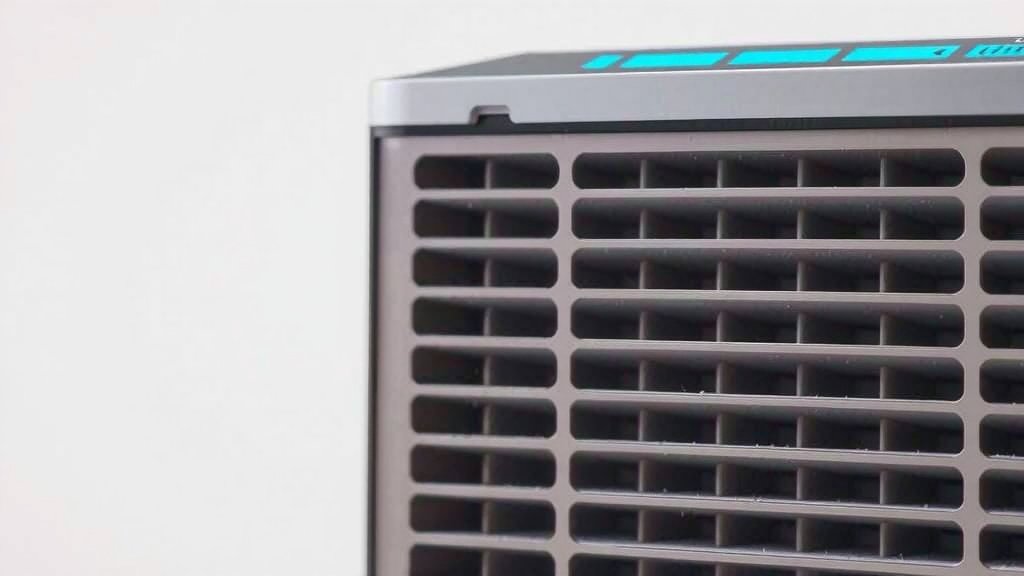
If you can easily access and see your filter, take a peek. Is it covered in a thick layer of dust? Does it look gray, brown, or even black? A visibly dirty filter is a clear indicator that it’s overdue for a change. The color change shows all the pollutants it has captured. Many experts recommend checking your filter visually every few months.
Your Air Purifier’s Indicator Light
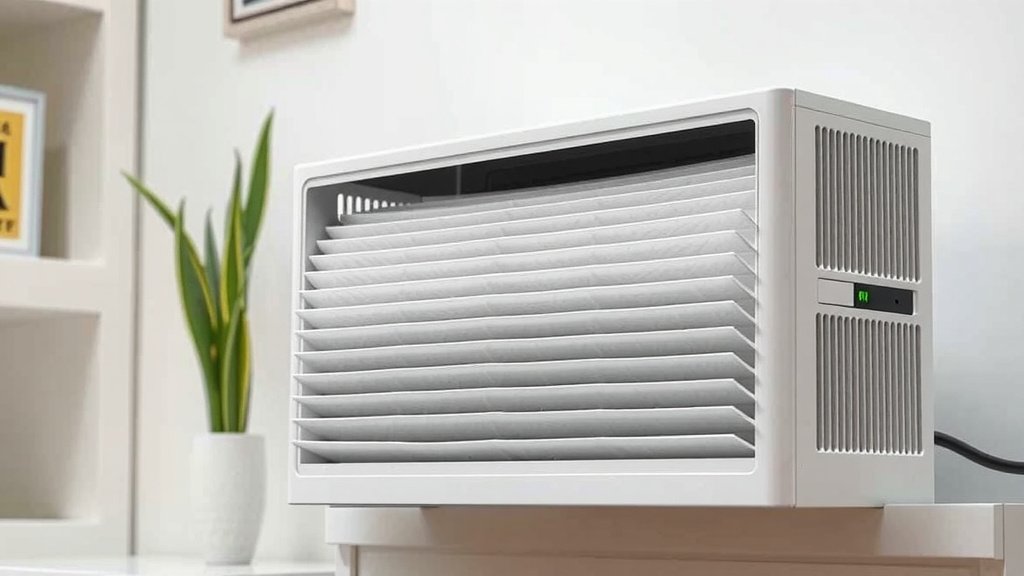
Many modern air purifiers come with a filter change indicator light. This is super convenient. The light will turn on when the manufacturer’s estimated filter life has been reached. While this is a helpful guide, remember it’s an estimate. It doesn’t always account for your specific home conditions. Still, it’s a great reminder.
Checklist for Maintaining Your Air Purifier Filter
Keeping track of your filter can seem like a chore. But a simple checklist can make it much easier. Here are a few key things to remember:
- Read your manual: Always check your specific air purifier’s manual for recommended filter life.
- Note your filter type: HEPA, carbon, or combined filters have different needs.
- Track usage: If you run it constantly, expect shorter lifespans.
- Consider your environment: Pets, smoke, and heavy dust mean more frequent changes.
- Look for signs: Reduced airflow or odors are clear indicators.
- Set a reminder: Use your phone or a calendar to remember when it’s time.
“`
Conclusion
Changing your air purifier filter regularly is essential for clean, healthy air in your home. Remember that filter life isn’t a one-size-fits-all scenario. It depends heavily on your filter type, how often you run your purifier, and your home’s unique environment. By paying attention to these factors and watching for signs like reduced airflow or strange odors, you can ensure your purifier works efficiently. Don’t wait too long; take a moment today to check your manual and set a reminder for your next filter change. Your lungs will thank you!
Frequently Asked Questions
How do I know which type of filter my air purifier has?
You can usually find this information in your air purifier’s owner’s manual. Many manufacturers also label the filter itself or list the filter type on their website.
Can I wash and reuse my air purifier filter?
Pre-filters are often washable, but HEPA and activated carbon filters are typically not designed for washing. Reusing them can damage their structure and reduce effectiveness.
What happens if I don’t change my air purifier filter often enough?
If you don’t change your filter, it will become clogged. This reduces airflow, makes your purifier less effective at cleaning the air, and can even cause the unit to work harder and consume more energy.
My air purifier has a filter indicator light, is that all I need to follow?
The indicator light is a great reminder, but it’s based on average usage. If your home has particularly poor air quality or you run your purifier constantly, you might need to change the filter sooner.
How often should I change the filter if I have pets and allergies?
Homes with pets and people suffering from allergies often experience more airborne particles. Research suggests you may need to change your filter more frequently, possibly every 3 to 6 months, to maintain optimal air quality.