How Often to Replace Air Purifier Filters: A Guide
Air purifier filters typically need to be replaced every 6 to 12 months, but this can change depending on your usage and the type of filter. Some high-efficiency filters might last up to two years, while others need swapping out sooner. It’s all about keeping your air clean and your purifier running smoothly.
You might be wondering why this matters so much. A clogged filter means your purifier works harder, using more energy and not cleaning your air as effectively. We found that regular replacements are key to maintaining optimal air quality in your home and preventing potential issues with your appliance.
- Check your filter type: Different filters have different lifespans.
- Consider usage: Heavy use means more frequent changes.
- Watch for warning signs: Reduced airflow or strange odors are red flags.
- Follow manufacturer advice: They know their product best.
Below, we’ll dive into the specifics of when and why you should be swapping out your air purifier filters, so you can breathe a little easier.
Understanding Air Purifier Filter Replacement Cycles
Figuring out when to swap out your air purifier’s filter is key. Most filters work best when replaced every 6 to 12 months. This general guideline helps ensure your purifier keeps your indoor air as clean as possible. Think of it like changing the oil in your car; it keeps things running smoothly.
How Filter Type Impacts Replacement Frequency
The type of filter in your air purifier plays a huge role. Each one is designed differently. Some are built for longevity, while others require more frequent attention. Understanding your specific filter type is your first step.
HEPA Filters: The Long-Haulers
High-Efficiency Particulate Air (HEPA) filters are designed to capture very small particles. They are incredibly effective at removing allergens like pollen, dust mites, and pet dander. Because they are so robust, HEPA filters often have a longer lifespan. We found that many HEPA filters can last anywhere from 1 to 3 years with proper care and maintenance. However, this can vary based on the specific model and the air quality in your home. A filter used in a home with smokers or pets might need replacing sooner than one in a less demanding environment.
Activated Carbon Filters: Odor Eaters
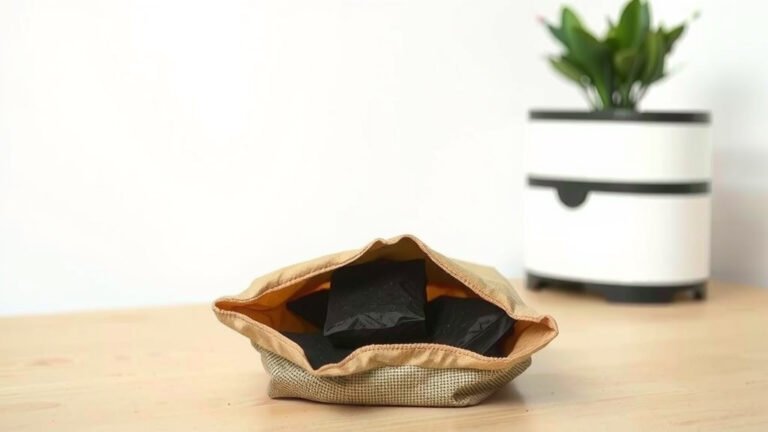
Activated carbon filters excel at absorbing odors, gases, and volatile organic compounds (VOCs). These can come from cooking, cleaning products, or even new furniture. These filters work by adsorption, where gases stick to the carbon surface. As the carbon pores fill up, the filter becomes less effective. Many manufacturers recommend replacing activated carbon filters every 6 to 12 months. Some units combine HEPA and carbon filters, so you’ll need to consider the lifespan of both components.
Pre-filters: The First Line of Defense
Pre-filters are usually washable or vacuumable. Their main job is to catch larger particles like hair and large dust bunnies. This protects the more delicate HEPA or carbon filters behind them. Because you can clean them, pre-filters don’t typically need a “replacement” in the same way. Instead, you should clean them regularly, perhaps every 2 to 4 weeks. Regular cleaning of your pre-filter can significantly extend the life of your main filters.
Factors Influencing Your Air Purifier’s Filter Life
Beyond the filter type, several other factors influence how often you’ll need to replace it. These are the everyday elements that put your air purifier to work.
Your Home’s Air Quality
This is a big one. If you live in an area with high levels of air pollution, or if your home has a lot of dust, allergens, or pet dander, your filter will get clogged faster. Homes with smokers, frequent cooking, or many pets will put a heavier burden on the filter. We found that in these situations, you might need to replace your filters every 3 to 6 months, rather than the standard 6 to 12 months.
How Often You Run Your Air Purifier
An air purifier that runs 24/7 will naturally require filter changes more often than one that’s only used for a few hours a day. If you run your unit on its highest setting, it’s also working harder and will collect particles more rapidly. Many experts suggest running your air purifier consistently for the best results, but be prepared for more frequent filter replacements if you do.
The Size of Your Room and Purifier
Using an air purifier that’s the right size for your room is important. If your unit is too small for the space, it will have to work harder and longer to clean the air. This means the filter will likely need to be replaced sooner. Conversely, an oversized unit might not operate as efficiently. Always check the manufacturer’s recommendations for room coverage.
Signs That It’s Time for a New Filter
Your air purifier will often give you signals when its filter needs changing. Don’t ignore these! They are your purifier’s way of asking for a little TLC.
Reduced Airflow
Have you noticed your air purifier isn’t blowing out as much air as it used to? A clogged filter restricts airflow. It’s like trying to breathe through a thick blanket. If the air coming out seems weak or significantly less than before, it’s a strong sign your filter is full.
Unpleasant Odors
Air purifiers are supposed to make your air smell better, not worse! If you start noticing musty, stale, or even foul odors coming from your purifier, it’s likely that the filter is saturated. The activated carbon component, if present, can no longer absorb odors effectively. Some particles or mold may even start to grow on a very old, dirty filter.
Increased Noise Levels
When a filter is clogged, the motor has to work harder to push air through it. This can lead to an increase in the noise your air purifier makes. If your unit suddenly sounds louder or strains more than usual, check the filter. It’s often the culprit.
Filter Indicator Lights
Many modern air purifiers come with built-in indicator lights. These lights are designed to alert you when it’s time to check or replace the filter. Some are simple timers, while others use sensors to detect actual air quality and filter status. These are incredibly helpful and should be taken seriously.
Making Filter Replacement a Habit
To keep your air purifier working at its best, it’s wise to schedule filter replacements. This prevents surprises and ensures you’re always breathing clean air. Many people find a simple checklist helpful.
Here’s a quick checklist to help you stay on track:
- Note the date you last replaced or cleaned your filter.
- Check your air purifier’s manual for specific recommendations.
- Clean your pre-filter at least monthly.
- Watch for the warning signs mentioned above.
- Set a calendar reminder every 6 months.
- Consider purchasing replacement filters in advance.
Consulting Your Air Purifier’s Manual
While we’ve covered general guidelines, the most accurate information for your specific air purifier will always be in the owner’s manual. Manufacturers design their units and filters to work together optimally. They will provide the most precise recommendations for filter lifespan and replacement. We found that consulting this manual is an essential step for any air purifier owner.
Conclusion
You’ve learned that air purifier filter replacement isn’t a one-size-fits-all situation. While 6 to 12 months is a common timeframe, your filter’s actual lifespan depends on its type, your home’s air quality, and how often you run your purifier. Paying attention to warning signs like reduced airflow or odd odors is key. Make a habit of checking your manual and setting reminders to keep your air consistently clean. Your next step? Check your current filter and note your last replacement date to set your personal schedule.
Frequently Asked Questions
How do I know if my air purifier filter is actually dirty?
Besides the recommended replacement schedule, watch for obvious signs like a noticeable drop in airflow from the unit. If you start smelling unpleasant or musty odors, your filter is likely saturated and needs immediate attention. Many modern purifiers also have indicator lights that will alert you directly.
Can I just wash my air purifier filter instead of replacing it?
Some filters, particularly pre-filters designed to catch larger particles like hair and dust, are washable or vacuumable. However, main filters like HEPA and activated carbon filters are typically not designed for washing and must be replaced. Washing them can damage their structure and reduce their effectiveness, so always check your manual.
What happens if I don’t replace my air purifier filter often enough?
If you neglect filter replacement, your air purifier will become less effective at cleaning your air. A clogged filter forces the motor to work harder, increasing energy consumption and potentially shortening the appliance’s lifespan. You might also notice worsening air quality, more dust, and unpleasant odors returning to your home.
Are there universal replacement filters I can use for any air purifier?
Unfortunately, no. Air purifier filters are designed to fit specific models and brands. Using a filter that isn’t the correct size or type for your unit can lead to poor performance, air leaks, or even damage to the purifier. Always refer to your owner’s manual for the exact filter model number you need.
Can running my air purifier on a higher setting affect how often I change the filter?
Yes, absolutely. Running your air purifier on a higher setting means the fan is working more intensely, pulling more air through the filter more quickly. This increased airflow will capture particles at a faster rate, meaning your filter will likely get clogged sooner than if you were running it on a lower or intermittent setting.