Honeywell Air Purifier Filter Change Frequency Explained
You should change your Honeywell air purifier filter every 6 to 12 months, depending on the model and your home’s air quality. This regular replacement is key to ensuring your purifier effectively removes pollutants and allergens from your air.
Ignoring filter changes can lead to a drop in performance and even damage your unit over time. Many experts suggest that a dirty filter can make your purifier work harder than it needs to. We found that using the correct filter type can also impact how often you need to swap it out.
- Filter change frequency varies by model.
- Typically, plan for 6-12 months.
- Air quality significantly affects filter life.
- Regular changes boost purifier efficiency.
- Check your model’s manual for specifics.
Let’s walk through exactly what impacts your filter’s lifespan and how to keep your Honeywell running smoothly.
When to Replace Your Honeywell Air Purifier Filter
You’re probably wondering how often you should be swapping out that filter in your Honeywell air purifier. Most experts and Honeywell themselves recommend a replacement every 6 to 12 months. This timeframe is a good starting point. But, it’s not a one-size-fits-all answer. Several factors can push that date earlier or let you stretch it a bit longer.
Think of your air purifier filter like the air filter in your car. It captures all the gunk floating around. Over time, it gets full. A full filter struggles to pull in air effectively. This means your purifier can’t do its job as well. We found that keeping up with replacements is one of the easiest ways to ensure peak performance.
Understanding Your Honeywell Filter Types
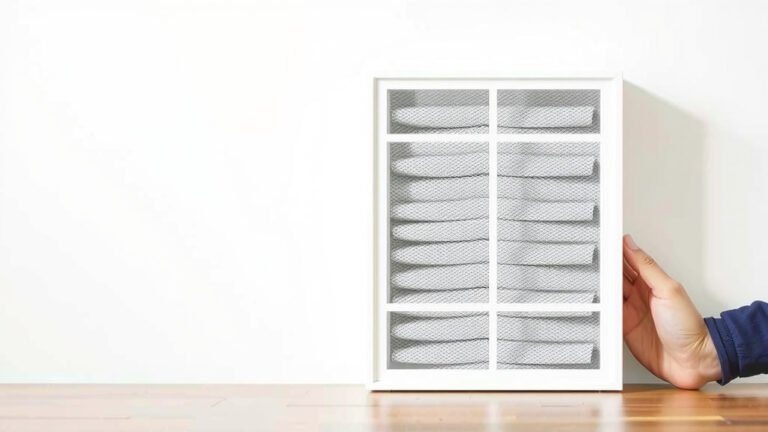
Honeywell offers different types of filters. The most common ones are HEPA filters and activated carbon pre-filters. Each type works a little differently and has its own lifespan. Knowing what kind of filter you have is the first step to knowing when to change it.
HEPA Filters: The Heavy Hitters
True HEPA filters are designed to capture 99.97% of airborne particles. We’re talking about dust, pollen, pet dander, and even some bacteria. These filters have a dense structure. Because of this, they can get clogged up faster than you might think. For a standard HEPA filter, you’re generally looking at a replacement every 12 months. However, this can change based on how much stuff is in your air.
Activated Carbon Pre-Filters: The Odor Eaters
Activated carbon filters are usually the first line of defense. They are great at grabbing odors and gases. Think cooking smells, pet odors, or smoke. These filters often have a shorter lifespan than HEPA filters. We found that many users need to replace their carbon pre-filters every 3 to 6 months. Some purifiers have these as separate, washable pre-filters, while others have them integrated. A washable pre-filter can extend the life of the main HEPA filter. It catches the bigger particles first.
Washable vs. Replaceable Filters
Some Honeywell models feature washable filters. These are often the pre-filters designed to catch larger debris. Washing them regularly can help them last longer. You’ll typically want to wash these about once a month. Always ensure they are completely dry before putting them back in. This prevents mold growth. Replaceable filters, like most HEPA filters, cannot be washed. They must be swapped out entirely when they reach the end of their life.
Key Factors Influencing Filter Lifespan
So, we know the general guidelines. But what actually makes a filter fill up faster? It’s mostly about what’s floating around in your home’s air. If you live in a high-pollution area or have pets, your filter will work overtime. This means it will need replacing sooner.
Your Home’s Air Quality
This is probably the biggest factor. Do you live near a busy highway? Is there construction nearby? Are you in an area prone to wildfire smoke? All these environmental factors mean more particles are entering your home. Similarly, if you have pets, their dander will quickly fill up a filter. People with allergies or asthma also tend to run their purifiers more. This constant use speeds up filter wear. We found that homes with higher particle counts will see their filters clog up faster.
Pet Ownership
Pets are furry bundles of joy, but they also shed hair and dander. This dander is a common allergen. It’s also a prime target for your air purifier. If you have one pet, you might notice filter replacement needs arise a bit sooner. With multiple pets, you could be looking at changing your filter closer to the 6-month mark. This is especially true for the pre-filters.
Allergies and Asthma
For individuals dealing with allergies or asthma, air quality is a daily concern. You likely run your air purifier consistently. This heavy usage means your filters work harder. They are constantly filtering out allergens and irritants. Many experts suggest that for allergy sufferers, checking filters more frequently is a smart move. You might find yourself replacing them closer to the minimum recommended time.
Household Habits and Environment
What goes on inside your home matters too! Smoking indoors, even occasionally, significantly impacts air quality. Burning candles or incense can also release particles and odors. If you cook a lot, especially high-heat cooking, those cooking fumes can load up your filters. Even simple things like opening windows regularly can introduce more outdoor pollutants. We found that a home with consistent high particle levels will always require more frequent filter changes.
How to Know When It’s Time to Change Your Filter
Your Honeywell air purifier is designed to give you clues. Relying solely on a calendar can be helpful, but there are other signs to watch for. These indicators can help you make the best decision for your unit and your air.
Visual Inspection
This is straightforward. When you change your filters, take a good look at the old one. If it looks visibly dirty, gray, or clogged with debris, it’s definitely time for a change. You might see a thick layer of dust or even pet hair matted onto the surface. Some filters even change color over time, but a dark, grimy appearance is the clearest sign.
Decreased Airflow and Performance
Has your Honeywell purifier suddenly gone quiet? Or does it seem like the air coming out isn’t as strong as it used to be? This is a classic symptom of a clogged filter. The fan has to work harder to pull air through the blockage. This results in reduced airflow. You might also notice that the air in your home doesn’t feel as fresh. Odors might linger longer than they used to. This performance drop is your purifier telling you it needs new filters.
Indicator Lights and Alerts
Many modern Honeywell air purifiers come with a built-in filter change indicator light. This light will illuminate when the purifier’s internal timer or sensors detect that it’s time for a replacement. This is a convenient reminder. Always consult your specific model’s manual, as these indicators can vary in how they function.
Your Honeywell Model’s Manual
We can’t stress this enough: your user manual is your best friend. It contains the most accurate information for your specific Honeywell air purifier model. It will detail the recommended filter types and the expected lifespan for each. It will also provide clear instructions on how to change the filter. Always refer to it for precise guidance. It’s usually the most reliable source.
Maximizing Filter Life and Purifier Efficiency
Want to get the most out of your filters and your air purifier? A few simple steps can help. These aren’t complicated tricks, but they make a real difference. Keeping your unit in good shape also helps it run more efficiently.
Here’s a quick checklist to help you remember:
- Check your model’s manual for specific filter recommendations.
- Inspect filters visually every 2-3 months.
- Washable pre-filters should be cleaned monthly.
- Note if your purifier’s performance seems to dip.
- Pay attention to any filter change indicator lights.
- Consider your home’s air quality and environmental factors.
When you follow these tips, you’re not just extending the life of your filters. You’re also ensuring your Honeywell air purifier continues to provide you with cleaner, fresher air. It’s a win-win situation for your home and your health!
Conclusion
Keeping your Honeywell air purifier running at its best is all about understanding your filter’s needs. We’ve seen that the 6-12 month guideline is a great start, but your home’s unique environment plays a huge role. From pets to pollen, these factors can speed up how quickly your filter gets full. Regularly checking your filter, watching for performance changes, and paying attention to indicator lights will help you know exactly when it’s time for a swap. Your next step? Take a peek at your Honeywell’s manual and schedule your next filter check or replacement based on what you learned today. Your cleaner air awaits!
Frequently Asked Questions
How often should I REALLY change my Honeywell HEPA filter?
For most homes, a standard HEPA filter replacement is recommended every 12 months. However, if you have pets, allergies, or live in a high-pollution area, you might need to change it sooner, potentially every 6-8 months. We found that visual inspection is your best bet for confirming.
Can I wash my Honeywell activated carbon pre-filter?
Yes, many Honeywell activated carbon pre-filters are washable. You should aim to wash them about once a month to keep them effective. Just be sure to let them air dry completely before reinserting them to prevent any moisture issues.
What happens if I don’t change my Honeywell air purifier filter often enough?
If you don’t change your filter, it will become clogged. This reduces airflow, making your purifier work harder and less effectively. Eventually, this can decrease the air quality in your home and potentially strain your purifier’s motor over time.
Are there any signs other than time to change my Honeywell filter?
Absolutely! Look for a visible buildup of dust and grime on the filter, a noticeable drop in the airflow from your unit, or lingering odors in your home. Many Honeywell models also have indicator lights that will alert you when a filter change is due.
Does running my Honeywell air purifier 24/7 mean I have to change the filter more often?
Running your purifier continuously means it’s constantly filtering air, which does indeed accelerate filter wear. While the general 6-12 month range is still a good starting point, you’ll likely find yourself needing to replace filters closer to the shorter end of that spectrum.