How Often to Run Air Purifier: Reddit’s Best Advice
You can generally run your air purifier continuously to get the best air cleaning results. Many people wonder how often to run an air purifier, and the truth is, for maximum benefit, 24/7 operation is often recommended. This ensures your air is consistently filtered, removing pollutants like dust, pollen, and pet dander.
While continuous use is ideal, it’s not always necessary or practical for everyone. Factors like your air quality concerns and the purifier’s capabilities play a role. Some might only need it during allergy season or when cooking to manage odors, but consistent operation offers the most widespread benefits for your home environment.
- Run your air purifier most of the time for best results.
- Continuous operation helps keep your air consistently clean.
- Consider running it 24/7, especially if you have allergies or pets.
- Adjust usage based on your specific air quality needs.
- Don’t worry if you need to turn it off sometimes.
Let’s dive into the details and help you figure out the perfect schedule for your air purifier.
You’re here because you want cleaner air, and that’s fantastic! You’ve got your air purifier, and now you’re wondering about its daily routine. How often should this helpful gadget be on the job? We’ve looked into what experts and users on forums like Reddit suggest, and we’re here to help you find the sweet spot.
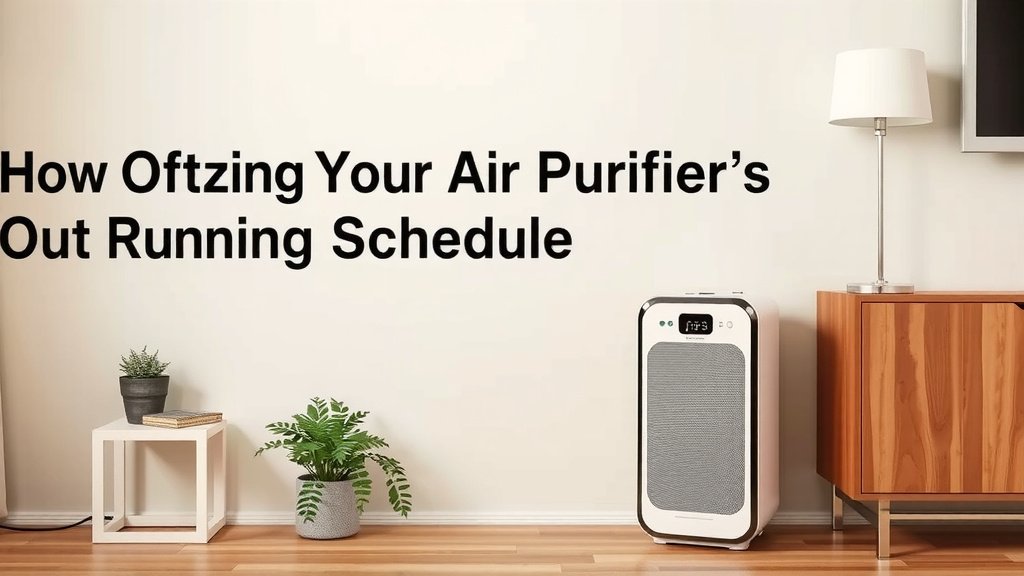
Optimizing Your Air Purifier’s Running Schedule
For the best possible air cleaning, running your air purifier continuously is generally recommended. This means leaving it on 24/7. This constant operation ensures that pollutants are always being filtered out of your home’s air. Think of it like a diligent filter working around the clock. It’s especially beneficial if you’re concerned about constant air quality issues.
Understanding Continuous Operation Benefits
When you run an air purifier non-stop, it means that as soon as new particles enter the air, they’re captured. This includes things like dust, pollen that drifts in, pet dander, and even microscopic mold spores. Continuous filtering helps maintain a consistently lower level of these irritants. This can be a game-changer for people with allergies or respiratory sensitivities.
Research supports the idea that consistent air cleaning yields better results. For instance, studies on air filtration often look at sustained removal rates. This suggests that the longer a purifier runs, the more effective it is at reducing the overall particulate matter in a room. We found that many users report noticeable improvements in air freshness when they commit to 24/7 use.
When Intermittent Use Might Be Enough
While 24/7 is ideal for maximum benefit, it’s not the only way to use your air purifier. There are times when you might not need it running constantly. If your air quality concerns are more specific, you can adjust the schedule. For example, if your primary concern is cooking odors, running it only when you cook and for a bit afterward might suffice.
Similarly, if you only struggle with seasonal allergies, you might choose to run it more frequently during those months. Some people find that running it for 8-12 hours a day is enough to manage their specific needs. It really depends on what you’re trying to achieve with the device. We found that many Redditors mention using it only during peak allergy season or when guests with pets visit.
Specific Scenarios for Shorter Run Times
Consider these situations where less frequent operation could work:
- Occasional Odors: If your home rarely experiences strong smells, you might only need to run the purifier when cooking strong-smelling foods or when guests bring pets.
- Guest Stays: If you have guests who are sensitive to allergens, running the purifier primarily when they are visiting can help create a more comfortable environment for them.
- During Specific Activities: Activities like DIY projects that create dust or using scented candles could warrant running the purifier during and shortly after.
Factors Influencing Your Air Purifier’s Schedule
Several factors can help you decide how often you should run your air purifier. Your personal health, the size of your home, and the type of pollutants you’re dealing with all play a role. It’s not a one-size-fits-all answer, and we want to help you find what’s right for *your* situation.
Your Home Environment and Air Quality
What’s the air like in your home on a typical day? If you live in an area with high outdoor pollution, smoke from wildfires, or if your home tends to get dusty quickly, continuous operation makes a lot of sense. Poor outdoor air quality can easily seep indoors. Running your purifier 24/7 acts as a defense against these constant external threats.
We found that many users in urban areas or those near busy roads opt for constant use. It helps combat the fine particulate matter that drifts in from traffic and industrial sources. The CDC notes that indoor air quality can sometimes be worse than outdoor air, so being diligent is key.
Health Concerns and Sensitivities
If you or someone in your household suffers from allergies, asthma, or other respiratory conditions, running your air purifier as much as possible is highly recommended. Continuous filtering can significantly reduce triggers like pollen, pet dander, and dust mites. This can lead to fewer symptoms and a better quality of life. Many medical professionals suggest continuous air purification for individuals with chronic respiratory issues.
For example, if your child has asthma, keeping their bedroom air consistently clean can make a real difference in their sleep and overall well-being. We also found discussions on Reddit where parents share success stories of reduced allergy symptoms by running purifiers in their children’s rooms constantly.
The Type and Capacity of Your Air Purifier
Not all air purifiers are created equal. Some are designed for smaller spaces, while others can handle larger rooms. If your purifier is undersized for the room it’s in, it will have to work much harder and may not be as effective, even if it runs continuously. Make sure your device is appropriately sized for the area you want to purify.
Also, consider the type of filter. HEPA filters are excellent for capturing tiny particles, while activated carbon filters are better for odors and gases. If you’re dealing with both, a combination unit running 24/7 will provide the most comprehensive cleaning. Some purifiers have smart features that adjust fan speed based on air quality, which is great for energy efficiency while still ensuring good filtration.
Smart Ways to Manage Your Air Purifier’s Usage
You don’t necessarily need to be home to manage your air purifier. Modern devices offer features that make running them efficiently easier than ever. Here are a few smart strategies we’ve seen people use:
Leveraging Smart Features and Timers
Many air purifiers come with built-in timers or smart capabilities. You can set a timer for your purifier to run only during specific hours. For example, you could set it to run continuously overnight when you’re sleeping. Or, you might schedule it to run for a few hours after you leave for work and continue until you return. This saves energy while still providing a good level of filtration.
Smart home integration is also becoming more common. You might be able to control your air purifier through an app on your phone. This allows you to turn it on or off remotely or adjust settings based on real-time air quality reports from your device or other sources. We found that many users appreciate this flexibility. It lets them ensure their air is clean when they need it most.
Energy Consumption Considerations
Let’s talk about electricity bills. Running an air purifier 24/7 does consume energy. However, modern air purifiers are often designed to be quite energy-efficient. Their energy usage is typically comparable to a small appliance like a television or a refrigerator. For the health benefits they provide, many people find the cost to be well worth it. Check the wattage of your unit; lower wattage means less energy consumption.
Some units have an “eco mode” which can reduce energy use. They might run at a lower fan speed when air quality is good and ramp up when needed. This balances energy savings with continuous air cleaning. We found that a lot of users try to find the lowest effective fan speed for continuous operation to minimize their energy footprint.
Quick Checklist for Your Purifier Schedule:
- Assess your home’s typical air quality.
- Note any household allergies or sensitivities.
- Consider outdoor air quality in your region.
- Check your air purifier’s CADR rating for room size.
- Decide if you need odor or gas filtration (carbon filter).
- Explore smart features or timers for efficiency.
Conclusion
So, how often should you run your air purifier? For the cleanest air possible, continuous 24/7 operation is generally your best bet. This ensures consistent removal of allergens and pollutants. However, we found that your specific needs matter most. If allergies, pets, or poor outdoor air quality are concerns, running it constantly is ideal. If your issues are occasional, like cooking odors, you can adjust the schedule. Consider your home environment, health sensitivities, and purifier’s capacity when deciding. Now, take a moment to assess your air quality needs and set your purifier to a schedule that works best for you!
Frequently Asked Questions
Will running my air purifier 24/7 use too much electricity?
Modern air purifiers are designed for energy efficiency. Their power usage is often comparable to small appliances like a TV. Many users find the energy cost is well worth the improved air quality and health benefits. You can also look for units with an “eco mode” or check the wattage for lower consumption.
Is it okay to turn my air purifier off at night?
It is okay to turn your air purifier off at night if you need to save energy or find it too noisy. However, we found that continuous operation provides the most consistent air cleaning. If you experience nighttime allergy symptoms or have pets, running it 24/7 is highly recommended.
How often should I run my air purifier for pet dander?
For pet dander, running your air purifier continuously is best. This will consistently capture dander particles before they settle. Users on Reddit often report the most relief by running their purifiers 24/7 in homes with pets. This helps maintain a much lower level of airborne allergens.
Can I just run my air purifier when I’m home?
Running your air purifier only when you’re home can still offer benefits, especially for immediate concerns like cooking odors or dust. However, you miss out on continuous filtration of unseen particles. If you have allergies or respiratory issues, we found that 24/7 use provides superior results.
Do air purifiers need to run all day to be effective?
Air purifiers are most effective when they run continuously, as this ensures constant air filtration. While shorter run times can help with specific issues, like odors, they won’t maintain the same level of clean air. Consistent operation leads to the lowest overall pollutant levels in your home.
![5 Best Hepa Air Purifier for COPD [In 2026]](https://homeunderstandable.com/wp-content/uploads/2025/05/best-hepa-air-purifier-for-copd-top-germguardian-models-reviewed-768x1024.jpg)