How to Clean Your Miko Air Purifier for Better Air
The easiest way to clean your Miko air purifier is by regularly wiping down the exterior and cleaning the pre-filter. You should also plan to replace the HEPA filter as recommended by the manufacturer. Keeping your Miko clean ensures it runs efficiently and keeps your air fresh and pure.
Regular maintenance is key to getting the most out of your Miko air purifier. Neglecting cleaning can lead to reduced performance and a shorter lifespan for the unit. We found that a consistent cleaning schedule makes a big difference in air quality and the overall effectiveness of the purifier, preventing dust buildup and ensuring optimal airflow.
- Unplug your Miko air purifier before cleaning.
- Wipe the exterior with a damp, soft cloth.
- Vacuum or rinse the pre-filter gently.
- Replace HEPA and carbon filters per manufacturer guidelines.
- Never use harsh chemicals or abrasive cleaners.
Let’s walk through exactly how to clean your Miko air purifier step by step, ensuring it stays in top shape for your home.
Keeping Your Miko Air Purifier in Top Shape
Your Miko air purifier works hard to keep your home’s air clean. Like any appliance, it needs a little TLC to keep running efficiently. We found that regular cleaning helps it perform better and last longer. Let’s break down how to properly care for your Miko so you can breathe easy.
Understanding Your Miko’s Components and Cleaning Needs
To clean your Miko effectively, you first need to know its main parts. Understanding these will make the cleaning process much simpler. Most Miko models have a durable exterior, a washable pre-filter, and replaceable HEPA and activated carbon filters. Each part requires a different cleaning approach.
The Exterior: A Simple Wipe-Down
The outside of your Miko can collect dust and grime just like any other surface in your home. Keeping it clean not only looks better but also prevents dust from being drawn into the unit.
What You’ll Need
Grab a soft, lint-free cloth. A microfiber cloth works wonderfully. You’ll also need a bit of water. Avoid anything too wet; a damp cloth is perfect.
The Cleaning Process
First, always make sure your Miko is unplugged for safety. Gently wipe down the exterior surfaces with your damp cloth. For tougher spots, you might need to apply a little more pressure. Then, dry the unit with a separate, dry cloth to prevent water spots. It’s a quick task that makes a big difference.
The Pre-Filter: Your First Line of Defense
The pre-filter is typically the first screen that catches larger particles like dust bunnies and pet hair. Because it catches so much, it needs regular attention. Many experts suggest cleaning the pre-filter monthly.
Accessing the Pre-Filter
You’ll usually find the pre-filter behind the main housing or grille. Check your Miko’s manual if you’re unsure how to access it. Most models allow you to easily remove the filter cover.
Cleaning Options for the Pre-Filter
You have a couple of good options here. The easiest way is often to use a vacuum cleaner with a brush attachment. Simply vacuum both sides of the pre-filter to remove accumulated dust. If the pre-filter is particularly grimy, you can rinse it under cool running water. Be sure to let it air dry completely before putting it back. Never put a wet pre-filter back into your purifier.
The HEPA and Activated Carbon Filters: Essential for Pure Air
These filters are the workhorses of your air purifier. The HEPA filter captures tiny particles like allergens and smoke. The activated carbon filter tackles odors and VOCs (volatile organic compounds). These filters are NOT washable and must be replaced.
When to Replace Your Filters
Your Miko will likely have an indicator light to tell you when it’s time. If not, consult your user manual. Generally, HEPA and carbon filters need replacing every 6 to 12 months. This timeline can vary based on your home’s air quality and how often you use the purifier. We found that replacing them on schedule is key for optimal performance.
How to Replace the Filters
Again, unplug your Miko first. Open the purifier housing, usually by removing the back panel or filter cover. Carefully remove the old HEPA and carbon filters. Dispose of them properly. Insert the new, genuine Miko replacement filters, making sure they are oriented correctly. Close up the unit securely. You may need to reset the filter indicator light; your manual will guide you on this.
What to AVOID When Cleaning Your Miko
Just as important as knowing what to do is knowing what *not* to do. Certain cleaning methods can damage your Miko or even make it less effective.
- Harsh Chemicals: Never use abrasive cleaners, solvents, or chemical sprays. These can damage the plastic parts or leave behind fumes.
- Excessive Water: While a damp cloth is fine for the exterior, don’t soak any part of the purifier. Water can get into the motor and cause damage.
- Washing HEPA/Carbon Filters: These filters are designed for single use and are not meant to be cleaned. Washing them will ruin their filtering capabilities.
- Abrasive Materials: Avoid using scouring pads or rough sponges. They can scratch the surfaces.
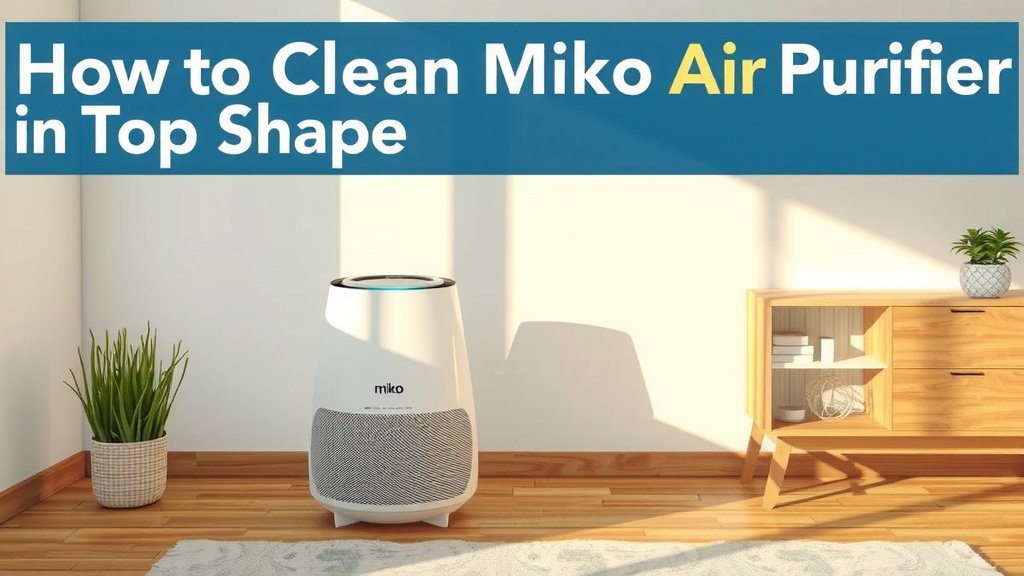
A Quick Cleaning Checklist for Your Miko
Here’s a simple checklist to keep your Miko running smoothly:
- Weekly: Wipe down the exterior with a soft, damp cloth.
- Monthly: Check and clean the pre-filter by vacuuming or rinsing.
- Every 6-12 Months: Replace the HEPA and activated carbon filters as indicated by your unit or manual.
- After Cleaning: Ensure all parts are dry before plugging the unit back in.
Common Questions About Miko Air Purifier Maintenance
We often get asked about specific cleaning scenarios. Let’s clear a few things up.
Can I use a vacuum cleaner on the HEPA filter?
No, you absolutely should not vacuum the HEPA filter itself. While it might seem like a good idea to suck dust off it, this can actually damage the delicate filter material. This damage reduces its ability to trap tiny particles effectively. Stick to vacuuming the pre-filter only.
How do I know if my Miko needs cleaning?
Your Miko likely has a filter replacement indicator light. Pay attention to this! Beyond that, visually inspect your unit. If you see a layer of dust on the exterior or notice a decrease in the airflow coming from the unit, it’s probably time for a cleaning or filter change.
Are Miko filters expensive to replace?
Filter replacement costs can vary. We recommend checking Miko’s official website or authorized retailers for current pricing. Buying genuine Miko filters ensures the best fit and performance for your purifier. Many users find the cost well worth the improved air quality.
Conclusion
Keeping your Miko air purifier clean is straightforward when you follow a few simple steps. Regular wiping of the exterior and cleaning of the pre-filter will maintain good airflow. Remember that the HEPA and carbon filters need periodic replacement to ensure your air stays truly pure. By committing to this easy maintenance schedule, you’ll help your Miko run efficiently for years to come. Now, go ahead and give your Miko the little bit of care it deserves so you can continue breathing fresher air!
Frequently Asked Questions
How often should I check the Miko pre-filter?
We found that checking your Miko’s pre-filter about once a month is a good habit. This helps catch dust and pet hair before it builds up too much. If you have pets or live in a dusty environment, you might need to check it even more frequently.
Can I wash the Miko HEPA filter with soap and water?
No, you should never wash the HEPA filter. It’s designed to trap very fine particles and washing it will damage its structure. This damage prevents it from filtering your air effectively. Always replace HEPA filters as recommended.
What if my Miko doesn’t have a filter indicator light?
If your Miko model lacks an indicator light, your user manual is your best friend. It will provide a recommended replacement schedule, usually between 6 to 12 months for HEPA and carbon filters. You can also monitor your air quality and unit performance for signs it needs new filters.
Is it okay to use household cleaners on my Miko?
You should avoid using household cleaners, especially anything harsh or abrasive, on your Miko. These chemicals can damage the plastic components or leave behind fumes that your purifier would then circulate. A soft, damp cloth is sufficient for the exterior.
Where can I buy replacement Miko filters?
We recommend purchasing genuine Miko replacement filters directly from Miko’s official website or authorized retailers. Using authentic filters ensures they fit correctly and perform optimally. This also helps maintain your purifier’s warranty.
![5 Best Air Purifiers for Dorm Rooms [In 2026]](https://homeunderstandable.com/wp-content/uploads/2025/04/best-air-purifiers-for-dorm-rooms.jpg)