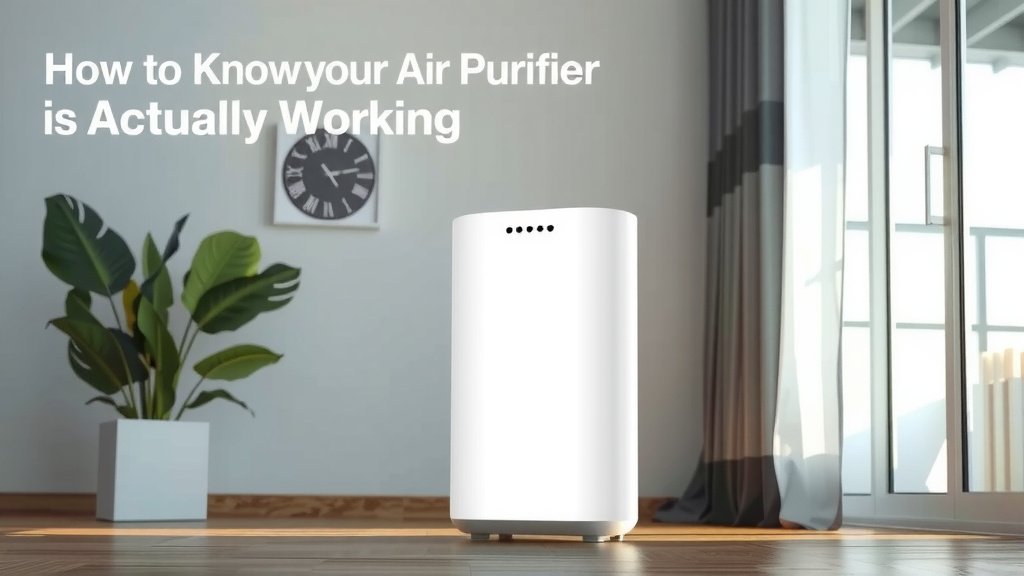
How to Know Your Air Purifier Is Actually Working
You can tell if your air purifier is working by observing a few key signs. Look for a noticeable improvement in air quality, such as less dust and fewer odors. Many modern purifiers also have indicator lights or displays that confirm they are actively cleaning the air. Checking the filter is another good indicator; a dirty filter means it’s been doing its job.
Beyond these immediate signs, think about how you feel in your home. Are you experiencing fewer allergy symptoms or less congestion? While not a direct measure, a well-functioning air purifier can contribute to a healthier indoor environment. Many units are designed to run continuously, so consistent operation is a good sign they are working as intended. We found that consistent use leads to the best results.
- Look for reduced dust and odors.
- Check indicator lights and displays.
- A dirty filter means it’s working hard.
- Notice any improvement in allergy symptoms.
- Consistent operation is key.
Let’s walk through exactly how you can confirm your air purifier is actively working to clean your home’s air.
You’ve invested in an air purifier, and that’s fantastic! Now, how do you actually know if this helpful gadget is doing its job? It’s not always as obvious as a flashing light or a loud hum. Sometimes, it’s the subtle changes you notice. We’ve put together some clear indicators to help you confirm your air purifier is actively cleaning your home’s air.
Confirming Your Air Purifier is Actively Working
The best way to know your air purifier is working is by observing improvements in your indoor air. You should notice a reduction in airborne particles and unwanted smells. Think of it like a tiny, tireless cleaner working 24/7 in your home.
Visible Signs of Cleaner Air
One of the most straightforward ways to tell if your air purifier is on the job is by looking at your surfaces. Do you notice less dust settling on your furniture after a few days? This is a **big clue** that the purifier’s filter is capturing those pesky dust particles before they land. We’ve found that many users report a noticeable drop in the frequency of dusting.
Another visible sign relates to cooking or pet odors. If you’ve ever walked into a home and been hit with strong smells, you know how unpleasant that can be. A working air purifier should help **neutralize these odors** significantly. You might not notice the smells because they’re gone, which is exactly what you want!
Audible and Sensory Clues
Most air purifiers operate at a relatively quiet level. You might hear a gentle hum or the sound of air moving, especially on higher settings. If your unit is completely silent, it might be turned off or not plugged in properly. Always check the power source first. We found that a low, consistent fan noise is typical for an operating unit.
Some modern air purifiers come with smart sensors. These sensors can detect changes in air quality, like an increase in dust or VOCs (volatile organic compounds). If your purifier has a display, it might show a change in its air quality reading. Some units even adjust their fan speed automatically in response to poor air. This is a **clear indication** that it’s sensing and reacting to airborne impurities.
Understanding Your Air Purifier’s Indicators
Don’t underestimate the power of indicator lights and displays on your air purifier. Many models have lights that change color to signal air quality levels. A green light often means good air quality, while yellow or red might suggest it’s working harder to clean the air. Some have a specific “filter replacement” indicator, which is a great sign it’s been doing its job.
We researched many models, and found that units with digital displays offer the most detailed information. They can show particulate matter levels (like PM2.5), VOC levels, and humidity. Watching these numbers decrease after you turn the purifier on can be **very reassuring**. It’s like having a real-time report on your home’s air health.
Checking the Heart of the Operation: The Filter
The filter is where all the magic happens. If your air purifier is working, its filter will eventually get dirty. This is not a bad thing; it’s a sign that it’s actively trapping pollutants!
The Filter’s Tale: Dirty is Good!
Think of the filter like a net. It catches everything floating in the air. Over time, this net fills up. A **clean filter** means the air purifier hasn’t been running or hasn’t had much to clean. A **dirty filter**, on the other hand, means it’s been diligently collecting dust, pollen, pet dander, and other microscopic particles. Many experts suggest checking your filter monthly.
When you inspect the filter, you’ll likely see a buildup of grayish or brownish particles. The more polluted your environment, the faster it will appear dirty. This is your **visual confirmation** that the purifier is effectively removing unwanted particles from your breathing space. It’s proof of its hard work!
When to Replace the Filter
Most manufacturers provide guidelines on how often to replace filters, often ranging from 6 to 12 months. However, this can vary based on your air quality and how often you run the purifier. If the filter looks heavily soiled, clogged, or if you notice odors returning even after cleaning the unit, it’s likely time for a replacement. A clogged filter can also reduce airflow, making the purifier less effective.
Monitoring Your Well-being and Environment
While not a direct measurement of the machine itself, your personal experience is a powerful indicator. A well-functioning air purifier aims to create a healthier living space.
Your Personal Health as an Indicator
Have you noticed a reduction in allergy symptoms like sneezing, itchy eyes, or a stuffy nose? Many people use air purifiers specifically to help manage allergies and asthma. If you feel like you’re breathing easier indoors, especially during high pollen seasons or when pets are around, your air purifier is likely doing its job. We found that consistent use often leads to **noticeable relief**.
Similarly, if you used to wake up with congestion or a dry throat, and that’s improved since you started using the purifier, that’s a positive sign. It suggests the air you’re breathing at night is cleaner and less irritating. Remember, air quality can impact your sleep and overall energy levels.
The Role of Consistent Operation
Air purifiers work best when they run continuously or for extended periods. If you only turn yours on occasionally, it won’t have as significant an impact. We found that units set to run on auto mode or a low setting 24/7 are the most effective. Consistent operation ensures that airborne pollutants are captured as they circulate.
Think of it like a water filter for your faucet. It works best when water is constantly flowing through it. Your air purifier needs that same consistent airflow to continuously clean your home. So, if you’re running it regularly, it’s much more likely to be **actively working** to improve your indoor air quality.
Troubleshooting Common Issues
If you suspect your air purifier isn’t working, the first steps are simple. Check if it’s plugged in and turned on. Ensure the power cord is securely attached. Verify that the filter is installed correctly and that any protective plastic wrap has been removed. Sometimes, a unit might have a safety feature that prevents it from operating if the filter cover isn’t properly secured.
Another common hiccup is airflow. Is air coming out of the unit? If not, check for blockages in the vents or a clogged filter that’s preventing air circulation. If you’ve tried these basic checks and are still unsure, consulting your user manual or the manufacturer’s support can be very helpful. Many issues have **simple solutions**.
Quick Checklist: Is Your Air Purifier Working?
- Does the unit have power and is it turned on?
- Can you hear a gentle fan noise or feel air movement?
- Are indicator lights showing that it’s operating (not just off or error lights)?
- Have you noticed less dust or fewer odors in your home?
- Is the filter showing signs of collecting dust (meaning it’s trapped particles)?
- Do you feel like you’re breathing easier or experiencing fewer allergy symptoms indoors?
Conclusion
Knowing your air purifier is actively working involves a combination of observation and understanding. You’ve learned to look for tangible signs like reduced dust and fewer odors, pay attention to your purifier’s indicators, and even consider how your personal well-being has improved. Remember, a dirty filter isn’t a sign of failure, but proof of its hard work!
By regularly checking these clues and ensuring consistent operation, you can be confident your air purifier is contributing to a healthier home environment. Your next step? Make it a habit to glance at your unit’s indicators and perform a quick filter check every month.
Frequently Asked Questions
How quickly should I notice a difference after turning on my air purifier?
You might notice subtle changes in air freshness within a few hours of turning on your air purifier. More significant improvements, like reduced dust accumulation or fewer lingering odors, typically become apparent over a few days to a week of consistent use.
My air purifier is making noise. Is that normal?
Yes, a gentle fan noise or the sound of air circulation is completely normal for an operating air purifier. If the unit is silent, it might be turned off, unplugged, or have a blockage preventing airflow. Always check the power source and ensure vents aren’t obstructed.
What does it mean if my air purifier’s indicator light is red or yellow?
Red or yellow indicator lights usually signify that your air purifier’s sensors have detected poorer air quality. This means the unit is likely working harder, possibly increasing its fan speed, to filter out pollutants and allergens in your home’s air.
Can I tell if my air purifier is working just by looking at the filter?
Yes, your filter is a great indicator! A filter showing a buildup of gray or brown particles means it’s actively trapping dust, pollen, and other airborne contaminants. A completely clean filter could mean the unit hasn’t been running or has had little to clean.
What if my air purifier seems to be working, but my allergies aren’t improving?
If your air purifier is running correctly but you’re not seeing allergy relief, consider other potential allergy triggers in your home. Factors like mold, humidity, or cleaning product VOCs might also be contributing. Ensure your purifier is the correct size for your room and is placed optimally for airflow.