Purify Your Home’s Air: Simple Steps for Cleaner Breathing
The easiest way to purify the air in your house is by combining ventilation, air-purifying plants, and high-efficiency air filters. This approach tackles various airborne pollutants effectively. You can create a cleaner and healthier indoor environment with these simple steps.
Poor indoor air quality can affect your well-being. Dust, pollen, pet dander, and even gases from household products can accumulate. We found that taking steps to improve your home’s air quality can lead to noticeable health benefits. Many experts suggest that better air means better sleep and fewer allergy symptoms. Keeping your air clean is more than just a good idea; it’s essential for comfort.
- Open windows for fresh air.
- Add houseplants known for air purification.
- Use HEPA filters in your HVAC system.
- Consider portable air purifiers.
- Minimize indoor pollution sources.
Let’s walk through exactly how you can make your home’s air as fresh as possible, step by step. We’ll cover the best methods and offer practical tips.
Creating a Fresher Home: Simple Steps for Better Indoor Air
Improving the air you breathe at home is achievable. We’ve found that a few key strategies can dramatically reduce common indoor pollutants. Let’s dive into practical methods to make your living space healthier and more comfortable.
The Power of Ventilation: Letting Fresh Air In
This is often the first and easiest step. Opening windows allows stale indoor air to escape. It also brings in fresh, oxygen-rich air from outside. This simple act helps dilute indoor pollutants like carbon dioxide and volatile organic compounds (VOCs).
When and How to Ventilate
Aim to open windows daily, even for just 15-30 minutes. A cross-breeze is most effective. Open windows on opposite sides of your house to create a good airflow. This is especially important after activities that can increase indoor pollution, like cooking or cleaning.
Consider opening windows during less polluted times of the day. If you live near a busy road, opening windows during off-peak traffic hours can help. We found that even short periods of ventilation can make a difference in air quality.
Natural Ventilation Techniques
Use ceiling fans and exhaust fans to aid ventilation. Exhaust fans in kitchens and bathrooms remove moisture and odors. They vent these pollutants directly outside. Ceiling fans can help circulate air, pushing stale air towards open windows. These fans work together to improve air exchange.
Harnessing Nature: Air-Purifying Houseplants
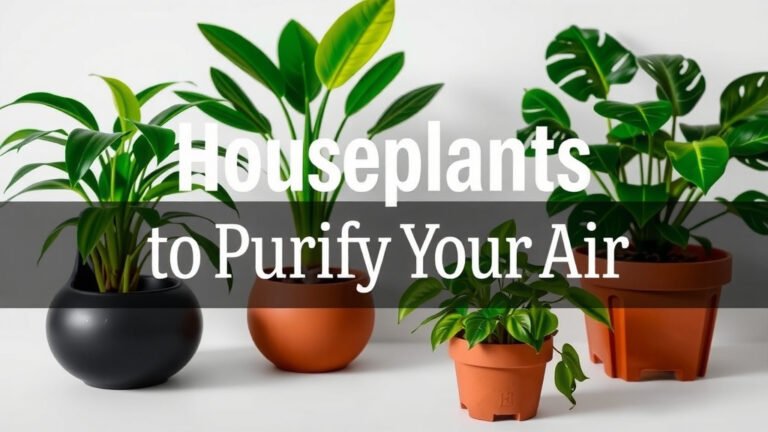
You might be surprised by how much plants can help! Certain houseplants have been studied for their ability to filter common indoor air toxins. They absorb gases through their leaves and roots. This process can help remove pollutants like formaldehyde and benzene. NASA’s research highlighted several effective species.
Top Plant Picks for Cleaner Air
Some of the most effective plants include:
- Snake Plant (Sansevieria trifasciata)
- Spider Plant (Chlorophytum comosum)
- Peace Lily (Spathiphyllum wallisii)
- Boston Fern (Nephrolepis exaltata)
- Areca Palm (Dypsis lutescens)
These plants are generally easy to care for. They add a touch of green to your home. Just remember that you’ll need several plants to see a significant effect. Think of it as a team effort for your air quality.
Caring for Your Green Air Filters
Proper plant care is key to their air-purifying abilities. Ensure they get the right amount of sunlight and water. Overwatering can lead to mold, which can worsen air quality. Keep their leaves clean to maximize their filtering potential. Dust can block their pores.
The Role of Air Filters: Capturing Pollutants
High-efficiency air filters are a powerful tool. They are often part of your home’s central heating and cooling system (HVAC). These filters trap microscopic particles that can circulate in your home. This includes dust, pollen, pet dander, and mold spores.
Understanding Filter Ratings (MERV)
Air filters are rated using MERV (Minimum Efficiency Reporting Value). A higher MERV rating means the filter is more effective at trapping smaller particles. For most homes, a MERV rating between 8 and 13 is a good balance. It provides excellent filtration without overly restricting airflow. Check your HVAC system’s manual or consult a professional for the best MERV rating for your unit.
Using a filter with a MERV rating that’s too high can strain your system. We found that choosing the right MERV rating is important for both air quality and system longevity.
When to Replace Your Filters
Regular filter replacement is critical. A clogged filter can’t capture new pollutants. It can also reduce your system’s efficiency and even cause damage. Most experts recommend checking your filter every 1-3 months. Replace it when it looks dirty or is due.
A simple checklist can help you remember:
- Check filter monthly.
- Replace if visibly dirty.
- Note filter type and size.
- Schedule replacement every 1-3 months.
- Keep a spare filter on hand.
Portable Air Purifiers: Targeted Cleaning
For specific rooms or areas with higher pollution, a portable air purifier can be a great addition. These units are designed to clean the air within a defined space. Many use HEPA (High-Efficiency Particulate Air) filters, which are very effective.
Choosing the Right Air Purifier
Look for purifiers with true HEPA filters. These filters capture at least 99.97% of particles 0.3 microns in size. Consider the size of the room the purifier is intended for. Check the CADR (Clean Air Delivery Rate) to ensure it’s suitable for your space. A higher CADR means faster air cleaning.
Some purifiers also include activated carbon filters. These are excellent for removing odors and gases. We found that a combination of HEPA and carbon filtration offers the best all-around performance.
Placement and Maintenance Tips
Place your air purifier where it can operate most effectively. Keep it away from walls and furniture that could obstruct airflow. Ensure you follow the manufacturer’s instructions for filter replacement. Dirty filters will reduce the purifier’s effectiveness.
Minimizing Indoor Pollution at the Source
While filters and plants help, reducing the sources of pollution is equally important. This means being mindful of the products you use in your home.
Household Products and Chemicals
Many common household cleaners, air fresheners, and even some building materials can release VOCs. Look for low-VOC or natural alternatives whenever possible. When using cleaning products, ensure good ventilation. Open windows or use exhaust fans.
Controlling Dust and Allergens
Regular cleaning can significantly reduce dust and allergens. Vacuum frequently, especially if you have carpets and pets. Use a vacuum cleaner with a HEPA filter. Dust surfaces with a damp cloth to capture dust instead of scattering it. Washing bedding regularly in hot water also helps eliminate dust mites.
| Method | Pros | Cons |
|---|---|---|
| Ventilation | Free, easy, brings fresh oxygen. | Can let in outdoor allergens/pollutants, temperature control issues. |
| Houseplants | Aesthetic, mood-boosting, natural filtering. | Effectiveness varies, requires care, needs multiple plants. |
| HVAC Filters | Whole-house coverage, effective for particles. | Requires system maintenance, ongoing filter cost. |
| Portable Purifiers | Targeted cleaning, good for specific rooms. | Unit cost, filter replacement cost, covers limited area. |
Conclusion
You’ve learned that creating fresher indoor air is totally within your reach. By combining simple steps like opening your windows regularly, adding a few air-purifying plants, and upgrading your HVAC filters, you can make a real difference. You can also boost your efforts with portable air purifiers for targeted areas. Taking these actions helps reduce common pollutants like dust and allergens. Start by choosing one area to focus on today, like checking your current air filter’s condition. Your home environment will thank you for it.
Frequently Asked Questions
How often should I open my windows for fresh air?
Aim to open your windows daily, even for just 15 to 30 minutes. Creating a cross-breeze by opening windows on opposite sides of your house is the most effective way to exchange stale indoor air for fresh outdoor air. This is especially beneficial after cooking or cleaning.
How many houseplants do I really need to purify the air?
The exact number varies depending on the plant size and species. Generally, you’ll need several plants to see a noticeable impact on your indoor air quality. Think of them as a team working together to filter out common airborne toxins.
What’s the best MERV rating for my home’s air filter?
For most homes, a MERV rating between 8 and 13 offers a good balance. This range effectively captures smaller particles without putting too much strain on your HVAC system. Always check your system’s manual or consult a professional for specific recommendations.
Can air fresheners and candles make my indoor air quality worse?
Yes, they often can. Many air fresheners and scented candles release volatile organic compounds (VOCs) into the air. These chemicals can contribute to poor indoor air quality. Consider using natural alternatives or simply opening a window for a fresh scent instead.
Is a vacuum with a HEPA filter really worth the extra cost?
Yes, a vacuum with a HEPA filter can significantly improve your air quality. Standard vacuums can recirculate fine dust and allergens back into the air. A HEPA filter traps these microscopic particles, preventing them from being released into your living space.