Naturally Purify Your Room Air: Easy Home Tips
Yes, you can definitely purify your room air naturally. Focusing on ventilation and introducing the right houseplants are the most effective ways to start. These methods help reduce common indoor air pollutants without chemicals.
Many household items can contribute to poor indoor air quality. Dust, pet dander, and even cleaning products release particles and gases. Natural purification methods offer a healthier alternative for your home environment. We found that simple changes can make a big difference in your air quality.
- Open windows daily for fresh air.
- Add air-purifying plants like snake plants.
- Use natural cleaning supplies.
- Control humidity levels.
Ready to breathe a little easier? Below, we’ll walk you through simple, natural ways to freshen up your indoor air.
Ready to transform your indoor atmosphere into a fresh, revitalizing sanctuary? You’ve already taken the first step by looking for natural ways to clear your air. It’s a smart move, as indoor air can sometimes be more polluted than outdoor air. Let’s dive into how you can achieve cleaner air right in your own space.
Refreshing Your Home’s Air Naturally
Improving your indoor air quality doesn’t require fancy gadgets. Simple, everyday actions can make a remarkable difference. You can make your home a breath of fresh air with a few key adjustments. We found that focusing on ventilation and plant life yields the best results.
The Power of Fresh Air: Ventilation Strategies
This is your first and most important tool. Opening windows allows stale indoor air to escape. It also lets in fresh, oxygen-rich air from outside. This simple act helps dilute pollutants that build up inside.
Daily Airing Out
Make it a habit to open your windows every day. Even just 5-10 minutes can help. It’s like giving your home a quick, natural refresh. Consider opening windows on opposite sides of your home for a cross-breeze.
When to Ventilate Most
Pay extra attention to ventilation after activities that can increase indoor pollutants. This includes cooking, cleaning, or showering. Opening windows during these times helps remove moisture and odors quickly.
Considering Air Purifiers (Naturally)
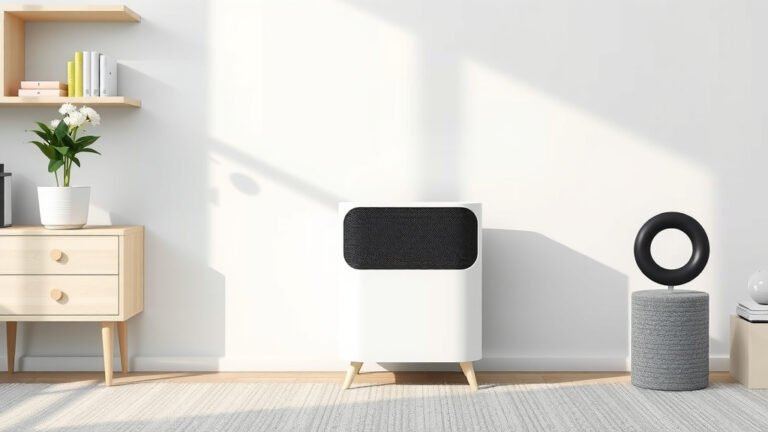
While not strictly “natural,” some air purifiers use activated carbon filters. These can help trap odors and certain gases. Look for models that use HEPA filters for particulate matter. These are effective but remember they are mechanical aids, not purely natural solutions.
Houseplants: Nature’s Air Fresheners
Adding certain houseplants to your rooms can significantly improve air quality. Plants naturally absorb carbon dioxide and release oxygen. Some studies suggest they can also filter out common indoor toxins.
Top Plants for Air Purification
Not all plants are created equal when it comes to air purification. Research has highlighted a few star players. These are generally easy to care for, too.
Snake Plant (Sansevieria trifasciata)
The snake plant is a champion. It’s known for its ability to convert carbon dioxide into oxygen at night. This makes it great for bedrooms. It also filters formaldehyde and benzene. It thrives on neglect, which is a bonus!
Spider Plant (Chlorophytum comosum)
Spider plants are super popular for a reason. They are excellent at removing formaldehyde and xylene from the air. Plus, they are very forgiving if you forget to water them occasionally. They also produce little “babies” you can propagate!
Peace Lily (Spathiphyllum)
The elegant peace lily does more than just look pretty. It’s effective at filtering out several common indoor air pollutants. These include ammonia, formaldehyde, and trichloroethylene. Just be aware they prefer indirect sunlight and consistent moisture.
Areca Palm (Dypsis lutescens)
This lush palm is a fantastic humidifier. It releases a lot of moisture into the air. This can help combat dry indoor conditions. It also helps filter out formaldehyde and xylene.
How Many Plants Do You Need?
While plants help, don’t expect a single plant to purify an entire room. NASA’s research suggested a high number of plants for significant impact. Think about having one plant per 100 square feet for a noticeable effect. The more, the merrier for air quality!
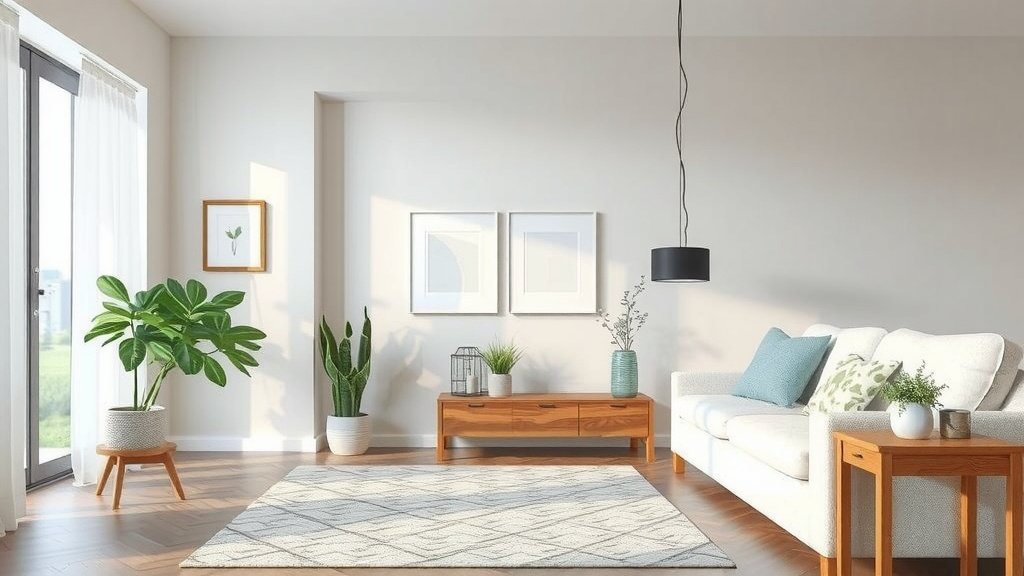
Beyond Plants: Other Natural Air-Clearing Tips
There are several other simple steps you can take. They work together with ventilation and plants to create a healthier environment.
Control Humidity Levels
High humidity can lead to mold and dust mites. These are common allergens. Use exhaust fans in bathrooms and kitchens. Consider a dehumidifier if your home tends to be damp. Aim for humidity levels between 30-50% (Cleveland Clinic).
Natural Cleaning Solutions
Many conventional cleaning products release volatile organic compounds (VOCs) into the air. These can irritate your respiratory system. Opt for natural cleaners. You can use simple ingredients like vinegar, baking soda, and lemon juice. Many ready-made natural cleaners are also available.
Reduce Dust and Dander
Regular dusting and vacuuming are essential. Use a vacuum with a HEPA filter to trap fine particles. Wash bedding frequently in hot water. This helps kill dust mites. Groom pets regularly to reduce dander.
DIY Air Fresheners
Avoid synthetic air fresheners that mask odors with chemicals. Instead, use natural methods. Simmering water with citrus peels, cinnamon sticks, or essential oils can add a pleasant scent. You can also use a bowl of baking soda to absorb odors.
Checklist for Fresher Air:
- Open windows daily for at least 10 minutes.
- Add 1-2 air-purifying plants to main living spaces.
- Use natural cleaning products whenever possible.
- Ensure good ventilation during cooking and showering.
- Keep humidity levels between 30-50%.
- Dust and vacuum regularly with a HEPA filter.
Conclusion
You have the power to create a healthier indoor environment right in your own home. By focusing on simple practices like opening your windows daily and adding a few air-purifying plants, you can make a real difference. Natural methods are effective and contribute to a more peaceful living space. Start implementing these easy strategies today and breathe easier in your naturally purified air. Your lungs will thank you for making these refreshing changes.
Frequently Asked Questions
How often should I open my windows to purify the air?
Aim to open your windows for at least 5-10 minutes every day. Doing this allows stale indoor air to escape and fresh air to enter. It’s most beneficial after activities like cooking or showering that can increase indoor pollutants.
Can just a few houseplants really clean my air?
Yes, houseplants can help, but don’t expect one plant to purify an entire room. Research suggests you might need about one plant for every 100 square feet for a noticeable effect. More plants generally lead to better air quality.
What are the best natural cleaning solutions for air quality?
You can use simple household ingredients like vinegar, baking soda, and lemon juice as natural cleaners. These reduce the release of volatile organic compounds (VOCs) that synthetic cleaners often produce. Many ready-made natural cleaners are also available.
How can I control humidity for better air quality?
Keep humidity levels between 30-50% to prevent mold and dust mites. Use exhaust fans in bathrooms and kitchens, especially after activities that create moisture. A dehumidifier can help if your home is consistently damp.
What’s the best way to reduce dust and pet dander naturally?
Regular dusting and vacuuming are key, ideally with a vacuum that has a HEPA filter. Washing your bedding frequently in hot water helps kill dust mites. Grooming your pets regularly can also significantly reduce dander in your home.

![5 Best Air Purifier for Chemicals [In 2026]](https://homeunderstandable.com/wp-content/uploads/2025/06/best-air-purifier-for-chemicals-top-choices-for-clean-air.jpg)