
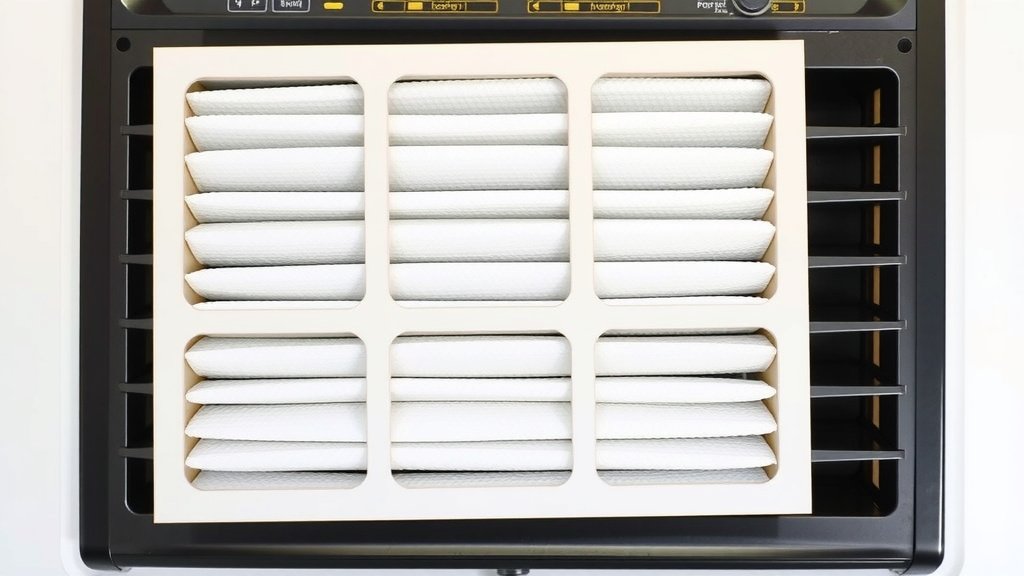
How to Wash Air Purifier Filters Properly
Yes, you can often wash your air purifier filters, especially the pre-filters. Rinsing them with cool water can remove larger dust particles and extend their life. For washable filters, always ensure they are **completely dry** before putting them back. This is key to preventing mold and maintaining **optimal performance**.
While many components can be cleaned, it’s important to know which ones are washable and which aren’t. Using the wrong cleaning method can damage your purifier. We found that regularly cleaning your filters, when appropriate, helps your machine run more **efficiently** and keeps your air cleaner.
- Pre-filters are usually washable.
- Always let washable filters **air dry completely**.
- HEPA and activated carbon filters are generally **not washable**.
- Check your air purifier’s manual for specific instructions.
- Dirty filters mean a less effective air purifier.
Let’s walk through exactly how to wash your air purifier filters, so you can breathe easy knowing you’re doing it right.
Caring for Your Air Purifier Filters: A Simple Guide
You’re probably wondering if you can just rinse those filters out. We’ve found that the answer is often yes, but it depends on the filter type. Some filters are designed to be washed, while others need to be replaced. Knowing the difference is key to keeping your air purifier working well.
Understanding Your Air Purifier’s Filters
Air purifiers typically have multiple filter stages. Each stage does a different job. Some of these stages have filters you can clean. Others have filters that are meant to be disposable. It’s important to know which is which before you grab the hose.
The Role of Different Filter Types
Think of your air purifier like a multi-layered defense system. The first line of defense is usually a pre-filter. This catches the big stuff like pet hair and large dust bunnies. After that, you often find a HEPA filter. HEPA stands for High-Efficiency Particulate Air. It’s a real workhorse for trapping tiny particles.
Finally, many purifiers have an activated carbon filter. This filter is like a sponge. It absorbs odors and volatile organic compounds (VOCs). These are chemicals that can come from cleaning products or furniture. We found that understanding these layers helps you appreciate why some are washable and some aren’t.
Washable vs. Non-Washable Filters: What’s the Difference?
The main difference lies in the materials and construction. Pre-filters are usually made of mesh or a coarse material. They can handle being rinsed without losing their effectiveness. We found that this makes them ideal candidates for washing.
HEPA and activated carbon filters, on the other hand, are often delicate. HEPA filters are made of very fine fibers. Washing them can damage these fibers, reducing their ability to capture small particles. Activated carbon filters use porous charcoal. Water can clog these pores, making them less effective at absorbing odors and gases. Many manufacturers strongly advise against washing these types of filters (Consumer Reports).
How to Wash Your Air Purifier’s Pre-Filter
Ready to give that pre-filter a bath? It’s pretty straightforward. This is where you can make a real difference in your purifier’s lifespan and performance. We found that a clean pre-filter means less work for the other filters.
Step-by-Step Washing Instructions
First, gently remove the pre-filter from your air purifier. Be sure to turn off and unplug the unit before you start. This is a safety measure we always recommend.
Next, take the pre-filter to a sink. Use cool, running water to rinse it. You want to wash away the dust and debris. Don’t scrub it harshly. A gentle rinse is usually enough. We found that for stubborn bits, you can use a soft brush, but be very careful not to damage the mesh.
Once rinsed, give the filter a gentle shake. This helps remove excess water. Avoid using any soaps or detergents. They can leave residue that might affect air quality or damage the filter material.
The All-Important Drying Process
This is arguably the most critical step. You MUST ensure the pre-filter is completely dry. Even a little moisture can lead to problems. We found that mold and mildew love damp environments. Putting a damp filter back can introduce these issues into your clean air stream. That’s the last thing you want!
Air drying is the best method. Place the filter in a well-ventilated area. You can also use a fan to speed up the process. Do not use heat, like a hairdryer or placing it in direct sunlight for too long. Excessive heat can warp or damage the filter. We recommend waiting at least 24 hours to be absolutely sure it’s dry, or until it feels completely dry to the touch.
When to Consider Replacing Filters Instead
Sometimes, washing just won’t cut it. If a filter is old, damaged, or simply beyond cleaning, replacement is the way to go. This is especially true for HEPA and activated carbon filters.
Signs Your Filters Need Replacing
Your air purifier will likely tell you when it’s time. Many models have filter indicator lights. You might also notice a decrease in air quality. Is your purifier running constantly? Does it seem less effective? These could be signs of clogged filters. We found that visual inspection is also helpful. If a filter looks discolored, torn, or heavily soiled, it’s probably time for a new one.
HEPA and Activated Carbon: Always Replace
As we mentioned, HEPA and activated carbon filters are not washable. They are designed for specific particle capture and absorption. Washing them ruins their structure and function. Think of them like a very fine sieve; once the holes are clogged or warped, it can’t do its job. Many experts agree that replacement is necessary for optimal performance (American Lung Association). Many experts agree that replacement is necessary for optimal performance, especially for HEPA and carbon filters.
Always refer to your air purifier’s manual. It will clearly state which filters are washable and provide replacement recommendations. We found that following these guidelines ensures you get the most out of your device.
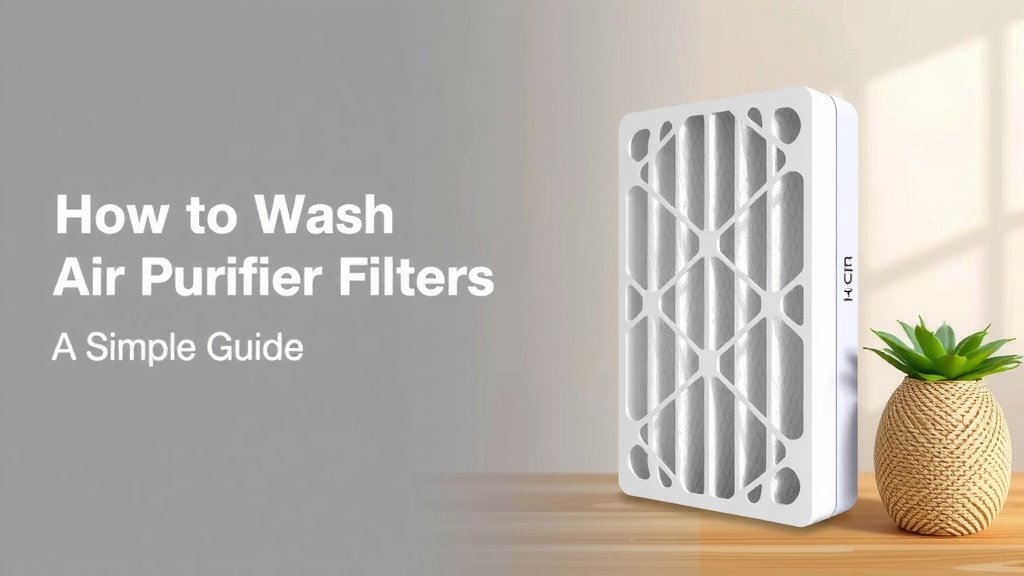
Your Air Purifier Filter Cleaning Checklist
Here’s a quick rundown to keep your filter cleaning on track:
- Check your manual: Always know your specific model’s needs.
- Identify filter type: Washable pre-filter or non-washable HEPA/carbon?
- Gentle rinsing: Use cool water for washable filters; no harsh scrubbing.
- Complete drying: Ensure washable filters are 100% dry before reinstallation.
- Regular inspection: Look for damage or excessive dirt on all filters.
- Timely replacement: Replace non-washable filters and old, damaged ones.
A Quick Comparison: Washable vs. Non-Washable
To make it super clear, here’s a simple table:
| Filter Type | Can You Wash It? | Why or Why Not? | What to Do Instead |
|---|---|---|---|
| Pre-Filter | Yes | Mesh material can handle rinsing; removes large particles. | Rinse with cool water; air dry completely. |
| HEPA Filter | No | Delicate fibers capture tiny particles; washing damages structure. | Replace when indicated by your purifier or manual. |
| Activated Carbon Filter | No | Porous charcoal absorbs odors; water clogs pores, reducing effectiveness. | Replace when odor removal is less effective or as recommended. |
Conclusion
You’ve learned that keeping your air purifier running smoothly often means a simple rinse for the pre-filter. Remember, washing washable filters is great for catching larger debris and extending their life. Just be sure they’re completely dry before reinstalling to avoid mold. For HEPA and activated carbon filters, replacement is always the way to go to maintain your air quality. Always check your manual for specific guidance. Your next step? Grab your manual and identify your filter types so you know exactly how to care for them!
Frequently Asked Questions
How often should I wash my air purifier’s pre-filter?
We found that washing your pre-filter every 2-4 weeks is a good starting point. If you have pets or live in a dusty area, you might need to clean it more frequently. Regularly checking it will help you determine the best schedule for your home.
Can I use soap or detergent when washing my filters?
No, it’s best to avoid soaps and detergents. We discovered that these can leave behind residues. This residue might impact your air quality or even damage the filter material over time. Stick to plain cool water for a safe clean.
What should I do if my air purifier doesn’t specify washable filters?
If your manual isn’t clear, it’s safest to assume filters are not washable. Most manufacturers will specify if a filter can be rinsed. For any filter not explicitly marked as washable, plan to replace it according to the recommended schedule.
How long does it take for a pre-filter to air dry?
Drying times can vary based on humidity and airflow. We’ve found that it can take anywhere from 12 to 24 hours, sometimes longer. Always feel the filter to ensure it’s completely dry to the touch before putting it back in your purifier.
What happens if I put a damp filter back into my air purifier?
Putting a damp filter back can create a breeding ground for mold and mildew. These can then be circulated into your air. You’ll also likely reduce your air purifier’s efficiency and could even damage the unit’s internal components.
![What Is The Best Air Purifier for Bedroom Pets [In 2026]](https://homeunderstandable.com/wp-content/uploads/2025/06/best-air-purifier-for-bedroom-pets-eliminate-allergies-and-odors-effortlessly-768x904.jpg)
![What Is The Best Indoor Plant for Purifying Air [In 2026]](https://homeunderstandable.com/wp-content/uploads/2025/05/best-indoor-plant-for-purifying-air.jpg)
![What Is The Best Air Purifier for Guinea Pigs [In 2025]](https://homeunderstandable.com/wp-content/uploads/2025/04/best-air-purifier-for-guinea-pigs.jpg)