Front Load Washer Water Levels Explained for Clean Clothes
You might be wondering how much water your front load washer should actually hold during a cycle. It’s a common question because they use less water than you might expect! Generally, a front load washer will have a very small amount of standing water at the bottom of the drum, often just covering the very bottom of the clothes. This is completely normal and by design.
Unlike older top-load machines that fill the entire drum, front loaders rely on a tumbling action to clean your clothes. This means they only need enough water to moisten the load and create friction. Seeing a larger amount of water than just a shallow pool could indicate an issue, but a little bit is exactly what you want. It’s all about efficiency and effective cleaning.
- Front load washers use much less water than traditional top loaders.
- You should only see a small pool of water at the bottom of the drum.
- This minimal water is key to their tumbling cleaning action.
- Too much water might signal a problem, while too little can affect cleaning.
Let’s take a closer look at what’s normal and when you might need to check things out further.
“`htmlUnderstanding Water Levels in Your Front Load Washer
So, how much water should you actually see sloshing around in your front load washer? It’s a question many homeowners ponder, especially when comparing them to the water-guzzling top-load machines of the past. The short answer is: you shouldn’t see much water at all. Just a shallow pool at the bottom is perfectly normal and what you want to see.
Why So Little Water? The Science Behind Front Loaders
Front load washers are designed to be water-efficient. They don’t fill the entire drum like older models. Instead, they use a tumbling action to lift clothes and drop them back into the water. This process creates friction between the clothes, which helps to remove dirt and stains. Think of it like a gentle massage for your laundry.
This unique cleaning method means they only need a small amount of water to get the job done. The water acts as a lubricant and a medium for the detergent to work its magic. Many experts point out that this design significantly reduces water consumption (Environmental Protection Agency guidelines). Less water also means less energy is needed to heat that water, saving you money on utility bills.
The Tumbling Action: A Gentle Yet Effective Clean
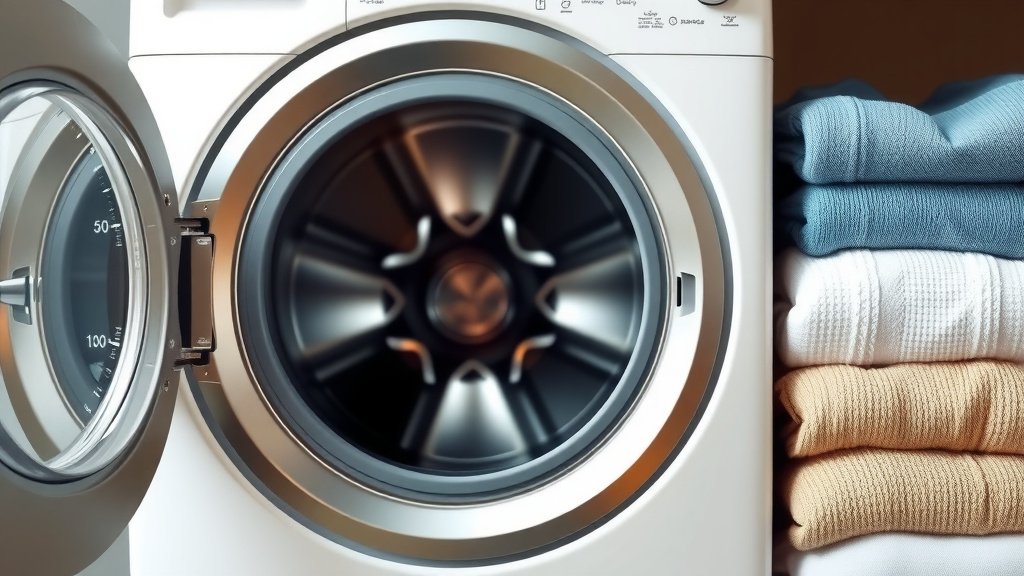
Imagine a clothes dryer, but with water and soap. That’s essentially what’s happening in your front loader. The drum rotates, lifting your clothes to the top and then letting them fall back down. This repeated action, combined with the limited water, works to loosen dirt. It’s a much more delicate process than the churning of a traditional top-loader, which can be harsher on fabrics.
Research shows that this tumbling method can lead to better garment care. Clothes tend to experience less wear and tear. This is especially important for items with delicate fabrics or those you want to last for years to come. The minimal water also means less detergent is needed, further adding to the efficiency.
What “Normal” Looks Like: A Shallow Pool
When your front load washer is running a cycle, you should expect to see a small pool of water at the very bottom of the drum. This water level is typically just enough to cover the bottom of the clothes that are resting in the drum. It might not even reach halfway up the load of laundry.
During the wash cycle, the water level might fluctuate slightly. You might see it go up a bit as the clothes absorb water and then decrease as the machine continues to spin. However, the general rule of thumb is that the water should never fill the drum. If you see water creeping up the sides or filling the entire door, that’s a sign something might be amiss.
When You Might See More Water (Temporarily)
There are a couple of specific moments when you might observe a slightly higher water level than usual, and these are perfectly normal. During the initial fill and rinse cycles, the machine might add a bit more water to ensure thorough saturation and detergent removal. You might also see more water if you select a ‘heavy’ or ‘bulky’ setting, as these cycles often require a bit more liquid for proper cleaning of dense items like comforters.
The Importance of Proper Water Levels
Maintaining the correct water level is key to your washer’s performance. Too little water can lead to poorly cleaned clothes and detergent residue. On the other hand, too much water can strain the motor and other components, potentially leading to damage and requiring repairs. It’s a delicate balance that the machine is designed to manage.
When to Suspect a Problem: Signs of Too Much or Too Little Water
If you’re consistently seeing the drum completely filled with water, or conversely, if the clothes seem bone dry during the wash cycle, it’s time to investigate. These are indicators that your washer isn’t operating as it should.
Signs You Might Have Too Much Water
Experiencing a lot of standing water, filling more than a third of the drum, can point to a few issues. One common culprit is a clogged drain pump filter. This filter prevents lint and small objects from damaging the pump, but it can get blocked over time. If it’s blocked, water can’t drain properly.
Another possibility is a faulty water inlet valve. This valve controls the flow of water into the machine. If it’s stuck open, it will keep filling the drum even when it shouldn’t. In some cases, a kinked or blocked drain hose can also prevent water from emptying out. Many appliance repair guides mention these as frequent causes of overfilling (Consumer Reports).
Signs You Might Have Too Little Water
If your clothes are coming out of the wash still dirty, or you notice large amounts of undissolved detergent, you might not be using enough water. This could be due to a water supply issue. Ensure both hot and cold water valves are fully open and that the hoses aren’t kinked or crushed. Sometimes, low household water pressure can also be a factor.
A malfunctioning water level sensor could also be the culprit. This sensor tells the machine when it has reached the correct water level. If it’s faulty, it might signal that the drum is full when it’s actually quite empty. This can lead to inadequate water levels and poor cleaning performance. You might also find that certain cycle selections are no longer working correctly.
Troubleshooting Common Water Level Issues: A Quick Checklist
Before calling for service, you can perform a few checks yourself. Here’s a simple checklist to help you identify potential problems:
- Check that your water supply valves (hot and cold) are fully open.
- Inspect the water inlet hoses for any kinks or damage.
- Locate and clean the drain pump filter according to your owner’s manual.
- Ensure the drain hose isn’t kinked, crushed, or too high.
- Confirm you’re using the correct detergent amount for your load size.
Conclusion
Understanding how much water your front load washer should use is key to its efficient operation. Remember, a small pool at the bottom of the drum is perfectly normal and essential for the tumbling wash action. This design saves water and energy while providing a gentle clean for your clothes. If you notice consistently too much or too little water, don’t hesitate to perform the quick troubleshooting steps outlined. By knowing what’s normal, you can ensure your washer cleans effectively and lasts longer.
Frequently Asked Questions
How much water should be visible in my front load washer when it’s not running?
When your front load washer is not running and is empty, you shouldn’t see any standing water. A properly functioning machine will drain completely after a cycle. If you see a noticeable amount of water when the machine is off, it might indicate a drainage issue that needs checking.
Can I add more water to a front load washer if my clothes look too dry?
Generally, you cannot manually add more water to a front load washer during a cycle, as the machine controls water levels automatically. If your clothes consistently look too dry, it’s a sign that the water level sensor or water supply might be having an issue that needs troubleshooting.
Does the water level change throughout a front load wash cycle?
Yes, the water level can fluctuate during a wash cycle. It might increase slightly as clothes absorb water and the machine adds more for optimal cleaning. The machine also adds water during rinse cycles. However, it should never fill the entire drum.
Is it normal for some detergent to remain undissolved at the bottom with so little water?
It’s not ideal for detergent to remain undissolved. While front loaders use less water, the water should be sufficient to dissolve the detergent properly. If you see a lot of undissolved detergent, you might be using too much, or there could be a water supply issue preventing adequate saturation.
What if my front load washer is making more noise than usual, could it be related to water levels?
Unusual noises can sometimes be related to water levels, especially if the machine is overfilling and the drum is too heavy. Too little water might also cause excessive tumbling noise if clothes are banging around without enough lubrication. It’s worth checking water levels and listening for other signs of imbalance.

![7 Best Apartment Stackable Washer And Dryer [In 2026]](https://homeunderstandable.com/wp-content/uploads/2026/09/7-best-apartment-stackable-washer-and-dryer-in-2026-featured-768x432.jpg)
![7 Best Small Front Loading Washing Machine [In 2026]](https://homeunderstandable.com/wp-content/uploads/2026/08/7-best-small-front-loading-washing-machine-in-2026-featured-768x432.jpg)