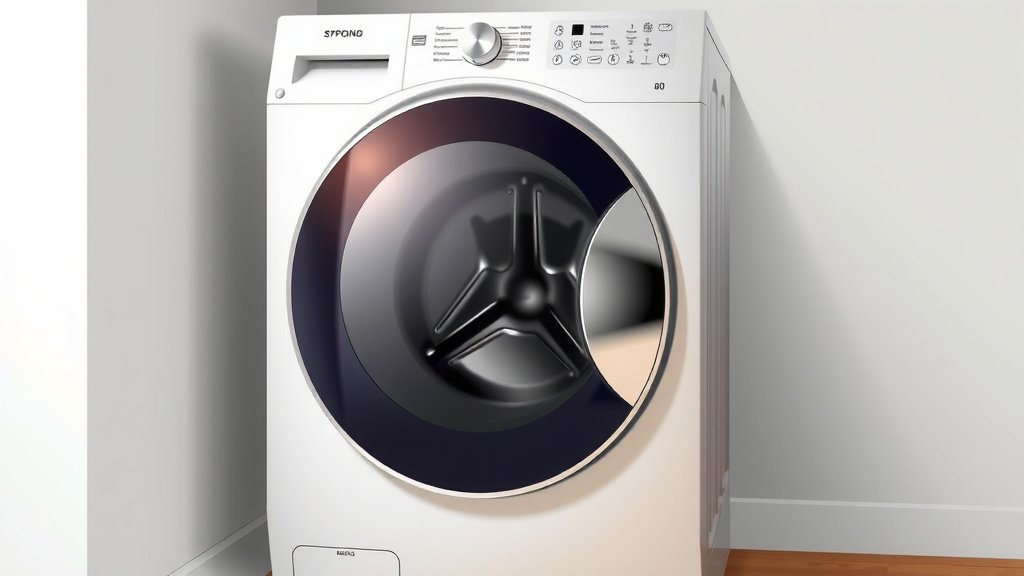
Front Load Washer Water Levels Explained: How Much Is Enough
A front load washer should only have a small amount of water visible at the bottom of the drum. You shouldn’t see a large pool of water, but rather just enough to moisten the clothes and create suds. If you’re seeing water filling the entire drum, something might be wrong with your machine.
Front loaders are designed to use much less water than traditional top-loaders. This is one of their biggest selling points for saving money and being kinder to the environment. So, don’t be alarmed if you don’t see the drum completely submerged; it’s actually a sign your washer is working as intended and providing a deep clean with efficiency.
- Front loaders use less water than top-loaders.
- You should see only a small amount of water at the bottom.
- A full drum of water is usually not normal.
- This design helps save water and energy.
Let’s get into the details of what’s considered normal water levels in your front load washer and what might signal a problem.
Understanding Water Levels in Your Front Load Washer
So, you’ve seen the water in your front load washer, and it looks different from your old machine. You might be asking, “How much water should actually be in my front load washer?” It’s a great question and one that many people ponder when switching to this more efficient style of washing machine.
The simple answer is: not a lot! Your front load washer is designed to use significantly less water. You should only see a small amount of water pooling at the bottom of the drum. This water is enough to moisten your clothes and help detergent create suds. If you’re seeing the entire drum filled with water, that’s likely an issue.
Why Front Loaders Use Less Water
Front load washers operate on a different principle than their top-loading counterparts. Instead of relying on a large volume of water to submerge clothes, they use a tumbling action. Your clothes are lifted and dropped into a small amount of water. This motion, combined with a powerful detergent, is what gets your laundry clean.
The Tumbling Action Explained
Think of it like a gymnast performing a series of flips. The clothes tumble and turn, allowing water and detergent to penetrate the fibers thoroughly. This method is surprisingly effective and requires far less water. It also means less water needs to be heated, saving energy.
Water Savings and Environmental Impact
The reduced water usage is a major benefit. Studies consistently show that front load washers can use up to 50% less water than traditional top-load machines (Consumer Reports). This means you’re not only saving money on your water bill but also helping conserve a precious resource. It’s a win-win for your wallet and the planet.
What to Expect: Normal Water Levels
When you start a wash cycle, you’ll notice water entering the drum. It will settle at the bottom, creating a shallow pool. Your clothes will likely be damp, but the drum will not be submerged. The amount of water can vary slightly depending on the cycle you select and the load size.
Small Loads vs. Large Loads
For smaller loads, you’ll see just enough water to get the job done. As the load size increases, the machine will add a bit more water. However, even a full load in a front loader won’t look like a swimming pool. The key is that the water level should not reach the halfway point of the drum, and certainly not fill it completely.
Different Wash Cycles, Different Water Needs
Some cycles require more water than others. For instance, an “Extra Rinse” cycle will add more water to ensure all detergent is removed. Delicate cycles might use slightly less water as they are gentler on fabrics. Always check your machine’s manual for specific details on each cycle.

When to Suspect a Problem: Signs of Too Much Water
If you consistently see a large amount of water, to the point where your clothes are floating or submerged, it’s a sign something might be off. This can happen due to a few common issues. Don’t panic; most are fixable!
Over-Sensing Water Level
Some modern machines have sensors that detect water levels. If a sensor is faulty or obstructed, it might tell the machine to keep filling even when it’s reached the correct level. This can lead to an overfilled drum. You might notice the machine taking longer to drain as well.
Drainage Issues
Sometimes, the problem isn’t that too much water is entering, but that the water isn’t draining out properly. If water is left standing in the drum after a cycle should have finished, it can give the impression of too much water. This could be due to a clogged drain pump filter or a kinked drain hose.
Checking the Drain Pump Filter
Most front loaders have a small access door, usually near the bottom front of the machine. Behind this door is a filter that can catch lint, coins, and other debris. A clogged filter can prevent proper draining. We recommend checking this filter every few months (LG Electronics). If it’s full of gunk, clean it out gently. Be prepared for a little residual water to come out when you open it!
Inspecting the Drain Hose
The drain hose carries water away from your washer. Ensure it isn’t bent, kinked, or crushed. A blocked hose can prevent water from exiting the machine efficiently. Also, make sure it’s not pushed too far down into the standpipe, which can cause siphoning.
Faulty Water Inlet Valve
The water inlet valve controls how much water enters your machine. If this valve isn’t closing properly, water can continue to fill the drum beyond the intended level, even when the machine isn’t actively calling for water. This is less common but still a possibility.
Troubleshooting Steps for Water Level Concerns
If you’re noticing too much water, here’s a quick checklist to help you troubleshoot:
- Check the load size: Are you overloading the machine?
- Verify the cycle selection: Did you accidentally choose a heavy rinse option?
- Inspect the drain filter: Is it clogged with debris?
- Examine the drain hose: Is it kinked or blocked?
- Consult your manual: See what your specific model recommends for water levels.
- Run a clean cycle: Sometimes, a buildup can affect sensors.
Remember, a little water is good; a lot of water is usually not. By understanding how your front load washer works, you can ensure it’s operating efficiently and giving you the best clean possible.
Conclusion
You’ve learned that your front load washer is designed for efficiency. Seeing only a small amount of water at the bottom of the drum is perfectly normal and a sign of effective cleaning. This design helps you save water and energy with every load. If you ever notice excessive water filling the drum, don’t worry! It’s usually a simple fix, often related to drainage or a sensor. Take a moment to check your machine’s filter and drain hose. You’ve got this!
Frequently Asked Questions
Is it normal for my front load washer to not fill up with water like my old one?
Yes, absolutely! Front load washers are built to use significantly less water than older top-load models. You should only see a small pool of water at the bottom, just enough to moisten clothes and create suds. This is a key part of their efficient design for cleaning.
What’s the ideal water level for a normal load in a front loader?
For a normal load, you should expect to see water covering the very bottom of the drum, but not submerging your clothes. The water level should be low enough that the clothes can tumble through it effectively. It should never fill more than a quarter of the way up the drum.
How often should I check my front load washer’s drain pump filter?
It’s a good idea to check your drain pump filter every few months. This simple maintenance helps prevent clogs that could lead to drainage issues and that “too much water” problem. Refer to your washer’s manual for the exact location and cleaning instructions.
Can overloading the washer affect the water level?
Yes, overloading can impact how your front load washer operates. If the drum is too full, the clothes might not tumble properly, which can interfere with the water distribution and the machine’s ability to sense the correct water level. Try reducing the load size if you suspect this is an issue.
My front load washer seems to be draining, but there’s still a lot of water left. What could be wrong?
If water remains in the drum after the cycle, it often points to a drainage issue rather than a filling problem. Check for a kinked or blocked drain hose, or a clogged drain pump filter. Cleaning out the filter is usually the first and easiest step to try.
![7 Best Deals On Washer Dryer [In 2026]](https://homeunderstandable.com/wp-content/uploads/2026/09/7-best-deals-on-washer-dryer-in-2026-featured-768x432.jpg)