
How to Properly Load Your Front Load Washer
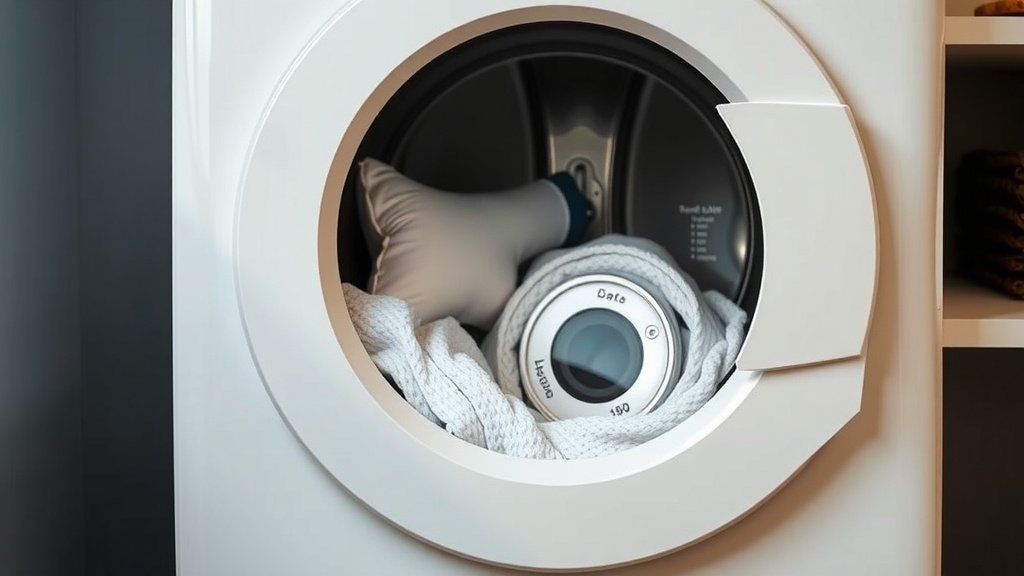
Properly loading your front load washer means placing items loosely around the drum, never packing them in. You want to allow plenty of space for clothes to tumble and for water to circulate freely. Overloading can lead to dingy clothes and even damage your machine, so **avoid cramming** items in.
We found that a few simple loading habits can make a big difference in your laundry results. Ensuring you don’t exceed the recommended load size prevents common issues like poor rinsing and longer wash cycles. It’s about giving your clothes the best chance to get truly clean without stressing your washer.
- Load clothes loosely around the drum.
- Don’t pack the washer too full.
- Allow space for items to tumble.
- This improves cleaning and prevents damage.
Ready to achieve cleaner clothes and a happier washing machine? Below, we’ll guide you through the simple steps to perfectly load your front load washer every time.
Mastering the Art of Loading Your Front Load Washer
Knowing how to properly load your front load washer is key to getting the cleanest clothes possible. It also helps your machine run efficiently and last longer. Let’s dive into the best practices to make your laundry day a success.
Understanding the Drum: Your Washing Machine’s “Sweet Spot”
Your front load washer drum isn’t designed to be stuffed to the brim like a suitcase. Think of it more like a cozy basket for your clothes. They need room to move around freely. We found that this space is essential for water and detergent to reach every fiber of your garments.
The “Rule of Thumb” for Load Size
A simple way to gauge if you’ve loaded correctly is the “rule of thumb.” When you look at the drum from the front, you should be able to place your hand flat on top of the clothes. If you can’t easily fit your hand in, it’s likely too full. Many experts suggest leaving about 5-7 inches of space at the top.
Why Overloading is a Laundry Saboteur
Packing too many items into your front load washer is like trying to fit too many people into a small car for a long road trip. It just doesn’t work well. Clothes can’t tumble properly, leading to poor cleaning. Detergent might not rinse out completely, leaving residue behind. Over time, this can strain the motor and other components. We found that research from appliance manufacturers consistently points to overloading as a leading cause of premature wear and tear.
The Impact on Cleaning Power
Front load washers rely on a tumbling action to clean. When items are packed too tightly, they can’t effectively lift and drop through the water. This means dirt and stains might not get removed. You might notice dingy whites or clothes that still smell less-than-fresh, even after a wash cycle. It’s frustrating when your efforts don’t pay off!
Potential for Machine Damage
When your washer is overloaded, the machine has to work much harder. This extra strain can affect the suspension system, the motor, and even the door seal. Imagine a gymnast trying to perform complex moves when someone is constantly holding their arms – it’s much harder and riskier! Many repair technicians report seeing more damage from overloading than from any other user error.
Sorting Your Laundry: The Foundation of Good Loading
Before you even think about putting clothes in the washer, proper sorting is your first step. This ensures different types of fabrics are washed together with the right settings. It also prevents color bleeding and damage to delicate items.
Separating by Color
This is probably the most common sorting method. Whites, lights, and darks should always be separated. We found that washing colors separately prevents lighter items from picking up dye from darker ones. This is especially important for new items that might bleed color.
Sorting by Fabric Type and Weight
Beyond color, consider the fabric. Heavy items like towels and jeans should be washed separately from lighter items like delicates or synthetic athletic wear. Washing similar weights together allows for more even tumbling and prevents heavier items from crushing lighter ones. Many fabric care labels will offer guidance on this (USDA).
Dealing with Delicates and Special Items
Items like lingerie, silk, lace, or anything with embellishments often need special care. It’s best to use a mesh laundry bag for these items. This protects them from snagging or stretching during the wash cycle. Think of the mesh bag as a cozy, protective cocoon for your delicate treasures.
The Loading Process: Step-by-Step for Success
Now that your laundry is sorted, let’s get it into the machine. Remember, loose is the magic word here!
Start with the Largest Items
Place your larger, heavier items like sheets or towels into the drum first. Distribute them evenly around the drum. This creates a good base for your load. Don’t bunch them up; spread them out.
Add Smaller Items and Fill in Gaps
Next, add your smaller items, filling in the spaces around the larger ones. Keep adding items loosely until you reach the recommended load size. Remember that hand-in-the-drum test we discussed? Use that as your guide.
Avoid Mixing Too Many Types in One Load
While it’s tempting to throw everything in together, it’s often best to stick to similar fabric types and colors in one load. For example, don’t mix heavy denim with delicate t-shirts. You’ll get a better clean and protect your clothes. We found that following this guideline often leads to more consistent washing results.
What Not to Do: Common Front Load Washer Loading Mistakes
Avoiding a few common pitfalls can save you a lot of laundry headaches. Being aware of these mistakes is half the battle!
Don’t Pack Delicates with Heavy Items
As mentioned, heavy items can damage delicate fabrics. They can stretch, snag, or even tear them during the wash and spin cycles. Always separate these items, using mesh bags for extra protection.
Never Exceed the Drum’s Capacity
We can’t stress this enough! Overfilling is detrimental to both your clothes and your machine. If you’re unsure, it’s always better to err on the side of caution and do an extra, smaller load. It’s a small price to pay for cleaner clothes and a long-lasting washer.
Avoid Washing Single Items Alone (Usually)
Washing just one towel or one shirt can unbalance the machine, especially during the spin cycle. This can cause excessive vibration and wear on the appliance. Most front load washers are designed to handle at least a few items. If you have only one small item, consider waiting until you have a larger load or washing it by hand.
Quick Checklist for Perfect Loading
Here’s a quick rundown to keep in mind each time you do laundry:
- Check the washer drum – is there enough space?
- Can you fit your hand flat on top of the clothes?
- Are items sorted by color and fabric type?
- Are delicates protected in mesh bags?
- Are you avoiding packing the machine too tightly?
Conclusion
You’ve learned how to properly load your front load washer. Remember, loose loading is key for cleaner clothes. Allowing items to tumble freely prevents dinginess and machine strain. Sorting by color and fabric type ensures a better wash. Always respect the drum’s capacity – more isn’t better here.
So, next time you’re doing laundry, use the hand-test and avoid packing it tight. Your clothes will come out cleaner, and your washer will thank you by lasting longer. Start applying these simple habits today for better laundry results!
Frequently Asked Questions
Can I wash a single heavy item, like a large towel, by itself?
It’s generally best to avoid washing just one heavy item. This can cause your washing machine to become unbalanced, especially during the spin cycle. This imbalance can lead to excessive vibration and strain on your washer’s components. Try to add a few other items to balance the load.
What happens if I use too much detergent in a front load washer?
Using too much detergent can cause it to not rinse out properly. You might notice residue on your clothes, which can lead to them feeling stiff or looking dingy. Excess suds can also potentially damage the washer’s pump and other internal parts over time.
How often should I clean my front load washer drum?
It’s a good idea to clean your front load washer drum regularly, typically once a month. This helps remove any built-up detergent residue, lint, or potential mold and mildew. You can use a specialized washing machine cleaner or a simple mix of vinegar and baking soda.
Is it okay to mix different fabric types if the load isn’t too full?
While you can sometimes mix certain fabrics if the load is small and loose, it’s not ideal. Heavy fabrics like denim can damage lighter items like delicate blouses. Washing similar fabric weights together helps ensure more even tumbling and prevents wear and tear on your clothes and machine.
Why do my clothes still smell after washing in a front load washer?
A common reason for lingering odors is overloading the machine. When clothes are packed too tightly, water and detergent can’t circulate properly to clean them effectively. Ensure you’re leaving enough space for items to tumble freely and using the correct amount of detergent.
![7 What Is The Best Apartment Size Washer And Dryer [In 2026]](https://homeunderstandable.com/wp-content/uploads/2026/08/7-what-is-the-best-apartment-size-washer-and-dryer-in-2026-featured-768x432.jpg)
![7 Best Apartment Size Washer And Dryer [In 2026]](https://homeunderstandable.com/wp-content/uploads/2026/08/7-best-apartment-size-washer-and-dryer-in-2026-featured-768x432.jpg)

![7 Best Washer And Dryer Stackable [In 2026]](https://homeunderstandable.com/wp-content/uploads/2026/09/7-best-washer-and-dryer-stackable-in-2026-featured-768x432.jpg)
![7 Best Apt Size Washer And Dryer [In 2026]](https://homeunderstandable.com/wp-content/uploads/2026/08/7-best-apt-size-washer-and-dryer-in-2026-featured-768x432.jpg)