
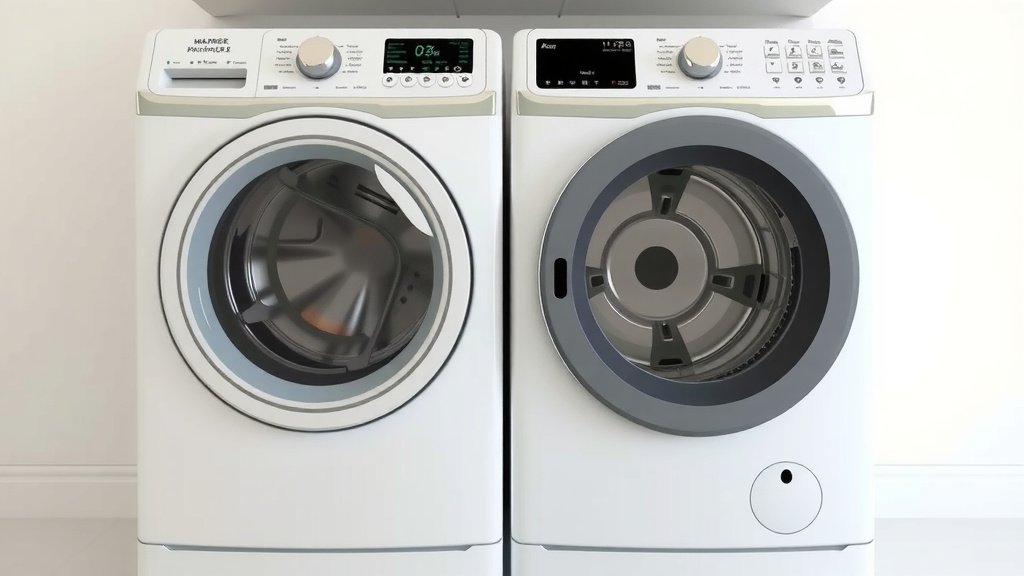
Washer Dryer Combo: How This All-in-One Works
Yes, a washer and dryer in one unit works by combining both washing and drying cycles within a single machine. It first washes your clothes, drains the water, and then uses a heating element and fan to dry them. This all-in-one design is perfect for saving space in apartments or smaller homes.
These combo units offer a convenient solution for laundry needs. They are designed for energy efficiency and can be a smart choice for those with limited laundry space. Many models are incredibly user-friendly, making laundry less of a chore. We found that they perform comparably to separate machines for most everyday loads.
- Combines washing and drying in one machine.
- Saves valuable space.
- Ideal for small homes and apartments. If budget is a concern for small homes and apartments, check out our guide to the best cheap washer dryer sets.
- Convenient and user-friendly.
Let’s walk through exactly how these clever machines get your clothes clean and dry, all without switching machines.
Understanding the All-in-One Washer Dryer Combo
So, how exactly does a single appliance handle both washing and drying your clothes? It’s a pretty clever system that breaks down into a few key steps. You load your laundry, select your cycle, and the machine does the rest. It’s like having a personal laundry assistant.
The Washing Phase: It’s Business as Usual
The first part of the cycle is standard washing. The unit fills with water, just like a regular washing machine. It then adds detergent and tumbles your clothes. This process effectively loosens dirt and stains. The water temperature and wash time are typically adjustable based on your fabric type and soil level.
Once the wash is complete, the machine drains the dirty water. This is a critical step before it can begin drying. It ensures you aren’t trying to dry wet clothes in hot water. Some units might even perform a quick spin at this point. This helps remove excess water from the fabrics.
The Transition to Drying: A Smart Shift
After draining, the machine prepares for the drying cycle. This is where the “combo” aspect really shines. Instead of needing to move your clothes to a separate dryer, the same drum is used. This feature is a huge space-saver for many homes.
The internal components then shift their function. The heating element, which might have been dormant during the wash, now kicks in. A fan also starts circulating air. This combination is what creates the hot, dry air needed to evaporate moisture from your clothes.
How the Drying Mechanism Works
Most all-in-one units use a condensation drying system. This is different from the vented dryers you might be used to. A heating element warms the air. This hot air is then blown through the wet laundry in the drum. As the air passes over the clothes, it picks up moisture.
This now moist, warm air is then channeled through a condenser. The condenser cools the air, causing the moisture to turn back into water. This water is then collected in a reservoir or directly drained away, depending on the model. The now drier air is reheated and recirculated. We found this method to be quite effective for most loads.
Some newer models might incorporate a heat pump. This is a more energy-efficient drying technology. A heat pump recycles the air and heat within the system. It essentially uses a refrigeration cycle to remove moisture. This process generates less heat and uses less electricity overall. Many experts suggest heat pump technology for its efficiency (U.S. Department of Energy).
Ventless vs. Vented: What’s the Difference?
It’s important to note that most washer dryer combos are ventless. This means they don’t require an external vent to the outside of your home. This is a major installation advantage, especially for apartments or condos where venting might be impossible. You simply plug them in and connect the water hoses.
Vented dryers, on the other hand, push hot, moist air outside through a duct. While they can sometimes dry clothes a bit faster, the installation is more complex. For an all-in-one unit, the ventless design is usually the most convenient option. It keeps the installation simple and the appliance contained.
Key Components of Your All-in-One Laundry Unit
Understanding the parts helps demystify how your machine operates. Each component plays a vital role.
The Drum: The Heart of the Machine
The drum is where all the action happens. It rotates to wash clothes and also tumbles them during drying. The material of the drum is important for fabric care. Stainless steel drums are common and gentle on clothes.
The Heating Element and Fan: The Drying Duo
As mentioned, these are crucial for the drying phase. The heating element generates the heat. The fan ensures that hot air circulates efficiently through your laundry. Think of them as the engine of the drying process. We found that many models offer adjustable heat settings for different fabrics.
The Condenser and Water Collection System
This is the part that makes ventless drying possible. The condenser cools the hot, moist air. The collected water needs to go somewhere. Some machines have a small drawer that you’ll need to empty periodically. Others can be plumbed to drain directly. This drainage feature is very convenient.
A Typical All-in-One Cycle Example
Let’s walk through a hypothetical load. Imagine you’re washing a small load of towels. You’d likely choose a “Normal” or “Cottons” cycle. The machine would fill with water and agitate for about 30-40 minutes. After draining, it might do a final rinse and spin.
Then, the drying phase begins. It might take anywhere from 1 to 3 hours, depending on the load size and moisture content. The machine heats the air, tumbles the clothes, and circulates. You can usually select a drying level, like “More Dry” or “Less Dry.” Once complete, your towels are clean and ready to fold. It’s truly a hands-off experience after you hit start.
What to Expect from Your Combo Unit
These units are designed for efficiency and convenience. They are particularly well-suited for smaller spaces. You can often find them in RVs, tiny homes, and city apartments. They perform very well for everyday laundry needs.
While they might not dry quite as fast as a large, separate dryer, the convenience is a big plus. Many users find the drying performance to be perfectly adequate. We found that following the load size recommendations is key to optimal performance. Overloading can lead to longer drying times or damp clothes.
Capacity Considerations
It’s important to understand that the capacity for washing and drying isn’t always the same. You can wash a full load, but you might need to remove some items to dry effectively. This is because wet clothes take up more space. Always check your user manual for specific guidelines.
Cycle Times
A full wash and dry cycle can take longer than using separate machines. You might be looking at 3 to 5 hours for a complete wash and dry cycle. This is a trade-off for the space savings and convenience. Some newer models are improving cycle times, but it’s still something to be aware of.
Are They Energy Efficient?
Generally, yes. Because they use a single motor and heating element for both functions, they can be more energy-efficient than two separate appliances. The ventless condensation drying often uses less energy than traditional vented drying. Energy Star certified models are a great choice for saving on utility bills. Many guidelines suggest choosing Energy Star appliances for lower environmental impact (Energy Star).
When comparing, consider the total energy use for a full wash and dry cycle. While individual components might be efficient, the combined cycle time is longer. However, the elimination of a second appliance’s energy draw usually makes them a winner for efficiency.
Installation and Maintenance Tips
Installation is typically very simple. You’ll need a water hookup and a standard electrical outlet. For units that drain into a sink or floor drain, you’ll need access to that. Regular cleaning of the lint filter and the condenser area is essential. This ensures your machine runs efficiently.
We found that keeping the door seal clean and checking for any blockages in the drain hose are also good practices. Regular maintenance helps prevent issues and keeps your clothes coming out fresh. Consult your owner’s manual for specific cleaning instructions for your model.
A Quick Checklist for Your All-in-One
- Load laundry correctly.
- Select appropriate wash and dry settings.
- Empty the water collection tank if applicable.
- Clean the lint filter regularly.
- Perform occasional condenser cleaning.
- Check drain hoses for kinks.
Conclusion
You’ve learned how a washer and dryer combo unit cleverly combines washing and drying cycles in one appliance. It’s a fantastic solution for saving space without sacrificing laundry convenience. By understanding the condensation drying process and key components, you can better appreciate your machine’s efficiency. These units offer a practical way to keep up with laundry in smaller homes or apartments. Ready to take the plunge? Consider your space and laundry needs, then compare models to find the perfect all-in-one unit for your home.
Frequently Asked Questions
How long does a full wash and dry cycle take in a combo unit?
A full wash and dry cycle in an all-in-one unit can take longer than using separate machines, often ranging from 3 to 5 hours. This is a trade-off for the significant space savings and convenience they offer. Newer models are improving cycle times, but it’s good to be aware of this longer duration.
Can I overload my washer dryer combo?
You should avoid overloading your washer dryer combo, especially for the drying cycle. While you can wash a full load, you might need to remove some items for drying because wet clothes take up more space. Always check your user manual for specific capacity guidelines to ensure optimal performance.
Do I need to empty a water tank in my combo unit?
Some washer dryer combo units collect the moisture from the drying cycle in a small internal tank. If your model has this feature, you will need to empty this tank periodically, similar to how you would empty a dehumidifier. Other models can be plumbed to drain directly, which is a more convenient option.
Is ventless drying as effective as vented drying?
Ventless condensation drying, common in combo units, is effective for most everyday loads. While vented dryers might dry clothes slightly faster, ventless systems are more convenient for installation, especially in apartments. We found the performance to be perfectly adequate for typical household laundry needs.
How often should I clean the lint filter on my combo unit?
Cleaning the lint filter regularly is essential for the efficiency and performance of your washer dryer combo. We recommend checking and cleaning it after every few loads, or at least once a week, to prevent lint buildup. This simple maintenance step helps ensure proper airflow and faster drying times.
![7 Best Reviewed Stackable Washer And Dryer [In 2026]](https://homeunderstandable.com/wp-content/uploads/2026/09/7-best-reviewed-stackable-washer-and-dryer-in-2026-featured-768x432.jpg)
![7 Which Washing Machine Is Best For Small Family [In 2026]](https://homeunderstandable.com/wp-content/uploads/2026/08/7-which-washing-machine-is-best-for-small-family-in-2026-featured-768x432.jpg)
![7 Best Stacked Washer Dryer Combo [In 2026]](https://homeunderstandable.com/wp-content/uploads/2026/08/7-best-stacked-washer-dryer-combo-in-2026-featured-768x432.jpg)