
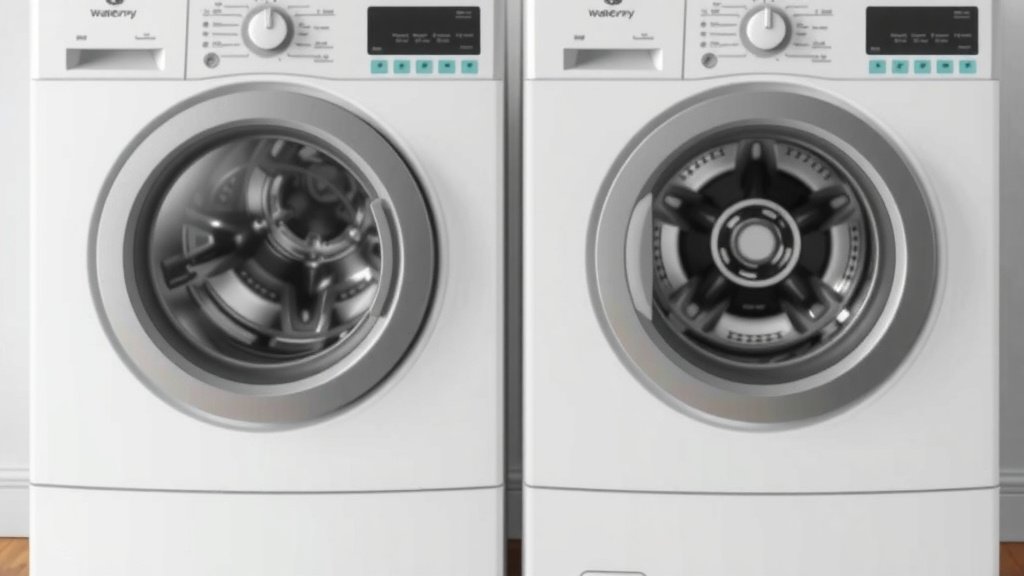
Washer Dryer Combo: What It Is & How It Works
You’re likely looking for a washer-dryer combo. This is a single appliance that washes and dries your clothes in one unit. They are also sometimes called a stackable washer and dryer if they are designed to be placed one on top of the other, though a combo unit is usually side-by-side or all-in-one. We found these are a great space-saving solution for many homes.
This all-in-one appliance combines the functions of both a washing machine and a clothes dryer. It’s a smart choice for smaller living spaces like apartments or RVs. Many homeowners appreciate the convenience of not having to transfer wet clothes from one machine to another. We’ve seen a surge in their popularity.
- Washer-dryer combo is the most common term.
- It performs both washing and drying cycles.
- Great for saving space.
- Convenient for busy households.
- Also known as an all-in-one laundry unit.
Let’s dive into what makes these appliances so popular and what you should know before buying one.
Understanding Your All-in-One Laundry Machine
You’re probably wondering what to call that clever appliance that washes *and* dries your clothes. Most commonly, it’s known as a washer-dryer combo. Think of it as a two-in-one laundry superhero.
This unit combines the full functionality of a traditional washing machine and a separate clothes dryer into a single machine. It’s a brilliant solution for saving space and simplifying your laundry routine. We’ve seen a huge increase in their popularity, especially for apartment dwellers and those with smaller homes.
Why Choose a Combo Unit?
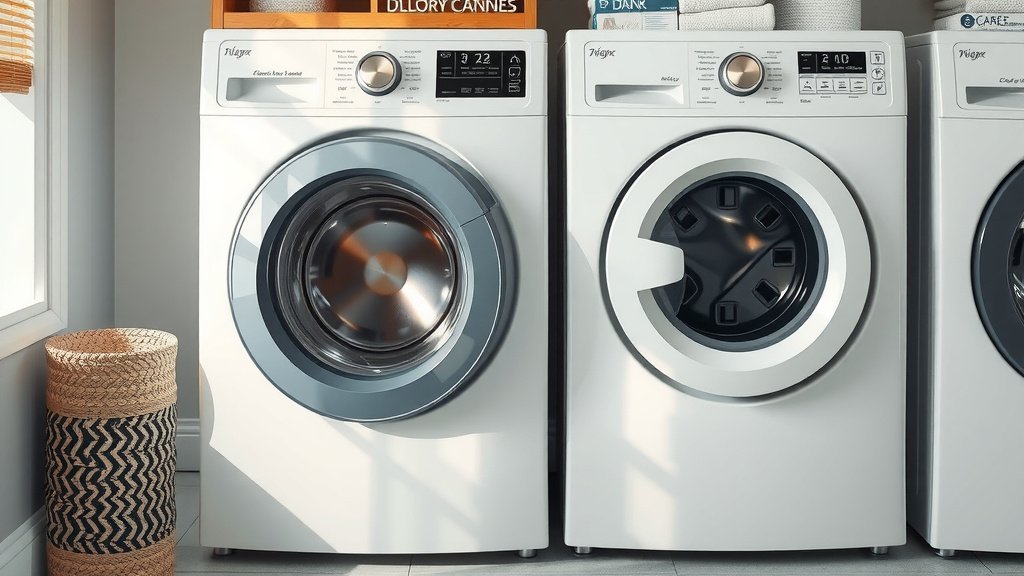
The primary appeal of a washer-dryer combo is its space-saving design. Instead of needing space for two large appliances, you only need room for one. This is a major benefit for those living in smaller apartments, RVs, or guest houses. You get the convenience of a full laundry setup without taking up valuable floor space.
Another big win is the convenience factor. Imagine loading your dirty clothes and coming back to find them clean *and* dry. No more transferring damp laundry from the washer to the dryer. This saves you time and effort, which is fantastic when you have a busy schedule. Many people find this simplification makes laundry feel less like a chore.
Benefits for Small Spaces
For apartments or smaller homes, a combo unit is often the only practical option for in-home laundry. You get the luxury of doing laundry on your own schedule without needing to visit a laundromat. This is especially helpful if you have young children or mobility challenges. It brings a lot of convenience right to your doorstep.
Efficiency and Modern Features
Modern washer-dryer combos often come with impressive energy-efficient features. They are designed to use less water and electricity compared to older, separate machines. Many models also offer advanced cycles, steam functions for sanitizing, and even smart technology that allows you to control them remotely. Research suggests these units can be quite efficient when used properly (Energy Star).
Are There Different Types of Washer-Dryer Combos?
While the term “washer-dryer combo” generally refers to the all-in-one functionality, there are a couple of configurations you might encounter. The most common type is the front-loading, all-in-one unit. These are designed to be a single appliance where the drum serves both washing and drying functions.
You might also hear about stackable washer and dryer sets. These are typically two separate units – a washer and a dryer – that are designed to be placed one on top of the other. While this is also a space-saving solution, it’s not technically a “combo” in the sense of a single machine doing both jobs. It’s important to distinguish between an all-in-one unit and a stacked pair.
The True All-in-One Design
The appliance we’re focusing on here is the single unit. You load the clothes, select your wash and dry cycles, and the machine handles the rest. It typically has one door and one control panel. We found these are the most common type when people refer to a “washing machine with a dryer” in one.
Stacked Units: A Different Approach
Stacked units consist of a separate washer on the bottom and a separate dryer on top. They require a special kit to secure them together safely. This is a great option if you want the flexibility of using separate wash and dry cycles, or if one component needs repair. However, it’s not the same as a single machine performing both actions.
How Does a Washer-Dryer Combo Actually Work?
It might seem like magic, but how does one drum wash *and* dry clothes? It’s actually quite ingenious. After the wash cycle is complete, the machine typically performs an extra-fast spin cycle to remove as much water as possible. Then, instead of venting hot air like a traditional dryer, it uses a condenser drying system or a heat pump to dry the clothes.
Condenser Drying Explained
In a condenser system, hot air is circulated through the wet clothes. As the air cools, the moisture from the clothes condenses into water. This water is then collected in a removable tank or drained away through a hose, similar to how a washing machine drains water. This method doesn’t require external venting, which is another plus for small spaces. We found this is the most common drying technology in combos.
Heat Pump Technology
Some high-end combos utilize heat pump technology. This system recycles hot air, making it even more energy-efficient than traditional condenser dryers. It’s a gentler drying process for your clothes and often results in less shrinkage. While more expensive upfront, the long-term energy savings can be substantial. Many appliance experts point to heat pump technology as the most advanced and efficient drying method (Department of Energy).
What to Consider Before Buying
Before you run out and grab the first combo unit you see, there are a few things you should think about. Capacity is a big one. Since these are often smaller units, the drum size might be limited compared to standard washers and dryers. Make sure the capacity fits your household’s needs. A large family might find a smaller combo frustratingly slow.
Another important consideration is drying time. Because most combos use condenser drying, the drying cycle can often be longer than a separate dryer. This is a trade-off for the convenience and space savings. You’ll want to check reviews and specifications to get an idea of typical drying times. Some newer models have improved this significantly.
Installation and Vents
Unlike traditional dryers that require a vent to the outside, most washer-dryer combos do not need external venting. They are designed to operate without it. This makes installation much simpler, as you don’t need to cut holes in walls or run bulky vent pipes. However, you will need access to a water supply and a drain, just like a regular washing machine. Some models do offer an optional vent kit, but it’s not the norm.
Maintenance is Key
Like any appliance, washer-dryer combos require some basic maintenance to keep them running smoothly. This includes cleaning the lint filter regularly (even condenser models have them) and wiping down the door seal. Periodically, you might need to run a cleaning cycle to prevent mold or mildew buildup, especially in humid environments. Keeping the water reservoir clean is also important for condenser models.
Making Your Choice: A Quick Checklist
Ready to decide if a combo is right for you? Here’s a quick rundown to help you think it through:
- Do you have limited laundry space?
- Is convenience a top priority for you?
- Can you manage potentially longer drying times?
- Is your household size compatible with common combo capacities?
- Are you comfortable with condenser drying technology?
- Is your budget aligned with combo unit prices?
Conclusion
You’ve learned that the appliance combining washing and drying is most commonly called a washer-dryer combo. These units offer fantastic space-saving and convenience benefits, especially for smaller homes. While they work using condenser or heat pump technology and don’t need external venting, you should consider their capacity and longer drying times. Weigh these factors against your household needs and budget. Your next step is to measure your laundry space and explore specific models to find the perfect fit for your home and lifestyle.
Frequently Asked Questions
What’s the main difference between a washer-dryer combo and a stackable set?
A washer-dryer combo is a single appliance that washes and dries clothes in one drum. A stackable set consists of two separate units, a washer and a dryer, designed to be placed one on top of the other for space efficiency.
Do washer-dryer combos need special hookups?
Yes, they require standard water supply and drainage hookups, just like a regular washing machine. Unlike most traditional dryers, they typically do not require an external vent to the outside.
How long does it take to dry clothes in a combo unit?
Drying times can often be longer than with a separate dryer, especially for condenser models. This is because they recirculate air to dry clothes. Check specific model specifications and reviews for estimated drying durations.
Can a washer-dryer combo handle a large family’s laundry?
Capacity can be a limitation. Many combo units have smaller drums than standard washers and dryers. If you have a large family or large loads, you might find it less efficient or require more cycles.
Are washer-dryer combos energy efficient?
Modern units often feature energy-efficient designs, using less water and electricity than older, separate appliances. Heat pump technology in some high-end models is particularly energy-saving and gentle on clothes.

![7 Best Apartment Size Stackable Washer Dryer [In 2026]](https://homeunderstandable.com/wp-content/uploads/2026/08/7-best-apartment-size-stackable-washer-dryer-in-2026-featured-768x432.jpg)