What is a Combination Washer Dryer? Your Guide
A combination washer and dryer is a single appliance that can both wash and dry your clothes. It’s a clever solution for Our guide to the best mid size washer and dryer can help you find a suitable option.saving space in your home. Think of it as two machines in one, neatly packaged to handle your laundry from dirty to done.
These all-in-one units are becoming quite popular, especially for folks living in smaller apartments or homes with limited laundry room space. We found that many users appreciate the convenience of not having to move wet clothes from one machine to another. It’s a smart way to get a full laundry cycle with just one hookup.
- It washes and dries clothes in one unit.
- Great for small spaces like apartments.
- Saves you the step of moving clothes.
- Often uses less water than separate machines.
- Look for energy efficiency ratings.
So, if you’re curious about how these space-saving wonders actually work and if one might be right for your home, we’ve got you covered. Let’s dive into the details of combination washer and dryer units.
Understanding the All-in-One Laundry Machine
So, what exactly is a combination washer and dryer? Simply put, it’s a laundry appliance that performs both the washing and drying cycles within the same drum. You load your dirty clothes in, select your settings, and the machine takes care of the rest. It’s designed to be incredibly convenient, especially for those who want to streamline their laundry process.
How Does It Work? The Two-in-One Process
The magic of a combination unit lies in its dual functionality. First, it acts like a standard washing machine. It fills with water, tumbles your clothes with detergent, and drains the dirty water. Then, instead of you needing to transfer the wet clothes, the machine automatically switches to its drying mode.
It typically uses a heating element and a fan system to circulate hot air through the drum. This process evaporates the moisture from your clothes. Some models might vent this moist air out, similar to a traditional dryer, while others are ventless and condense the water into a reservoir or drain it away. This ability to dry without needing a separate appliance or a dedicated vent is a major space-saver.
Capacity and Cycles: What to Expect
When looking at combination washer and dryers, you’ll notice that their capacities often differ from standard, separate machines. Because the drum needs to accommodate both washing and drying, the drying capacity is usually smaller than the washing capacity. This means you might have to do smaller loads when drying.
For example, a machine might wash 12 pounds of laundry but only dry 7 pounds effectively. If you try to dry a full wash load, your clothes might not dry properly or could become very wrinkled. We found that many users adapt by washing a larger load and then splitting it into two smaller drying loads. It’s a small adjustment for the space savings you gain.
Types of Combination Washer Dryers
Ventless Models Explained
Ventless combination units are quite common and are a popular choice for small spaces. How do they dry? They use a condensation system. After washing, the machine heats the air and tumbles the clothes. As the moist air passes over a cooler surface (often a heat exchanger), the water vapor condenses into liquid. This water is then collected in a drain pan or pumped out through a drain hose. This means you don’t need a bulky vent hose running out of your home, making installation much easier and more flexible.
Vented Models: A Different Approach
Some combination washer and dryers do require venting, similar to traditional standalone dryers. These models push the hot, moist air generated during the drying cycle through a vent hose that needs to be routed to the outside of your home. While they might offer slightly faster drying times, they require more planning for installation, as you’ll need access to an exterior wall or a window for the vent.
Who Benefits Most from a Combination Unit?
These all-in-one laundry solutions are particularly well-suited for specific living situations and user needs. If you’re nodding along to any of these, a combo unit might be your laundry dream come true.
Apartment Dwellers and Small Homeowners
This is where combination washer and dryers truly shine. If your apartment doesn’t have a dedicated laundry room, or if your home has very limited space, these units are a game-changer. They can often fit under a counter, in a closet, or even in a small nook where a standard washer and dryer would never fit. The convenience of having laundry facilities without dedicating a whole room is immense.
Those Seeking Simplicity and Convenience
Do you dread moving heavy, wet clothes from the washer to the dryer? A combination unit eliminates that step entirely. You simply load, select, and unload clean, dry clothes. It simplifies the entire laundry process, making it less of a chore. Many users we’ve heard from appreciate this hands-off approach.
Energy and Water Efficiency Considerations
Many modern combination washer and dryers are designed with energy and water efficiency in mind. Because they often use less water than separate machines, they can help lower your utility bills. We found that when comparing energy consumption, these units can be a smart choice for eco-conscious homeowners. Always check the Energy Star ratings to find the most efficient models.
Key Features and Things to Look For
When you’re ready to consider purchasing a combination washer and dryer, there are a few important features to keep in mind. Thinking about these beforehand can help you find the perfect fit for your needs.
Capacity vs. Space
As we touched on, pay close attention to the stated capacities for both washing and drying. Measure your available space precisely. Will the unit fit? Can you open the door fully? Sometimes a slightly smaller capacity unit will fit much better and be more practical for your specific space constraints. It’s a balancing act.
Cycle Options
Look for models that offer a variety of wash cycles to handle different fabric types and soil levels. Similarly, ensure it has drying options that suit your needs, such as timed drying, sensor drying (which stops when clothes are dry), and perhaps even a steam refresh cycle. These customizable options add a lot of functionality.
Noise Levels and Vibration
Since these units might be placed in or near living areas in smaller homes, noise can be a significant factor. We recommend checking reviews or specifications for information on noise levels. Some newer models are designed with advanced suspension systems to minimize vibration and sound, which is a real plus.
Installation Requirements
Confirm what hookups you’ll need. Most require standard water connections and a drain. Ventless models typically need a standard electrical outlet. Vented models will need access for the vent hose. Double-check the manufacturer’s requirements to ensure your home is ready for installation. This prevents any installation headaches.
Making the Smart Choice for Your Laundry Needs
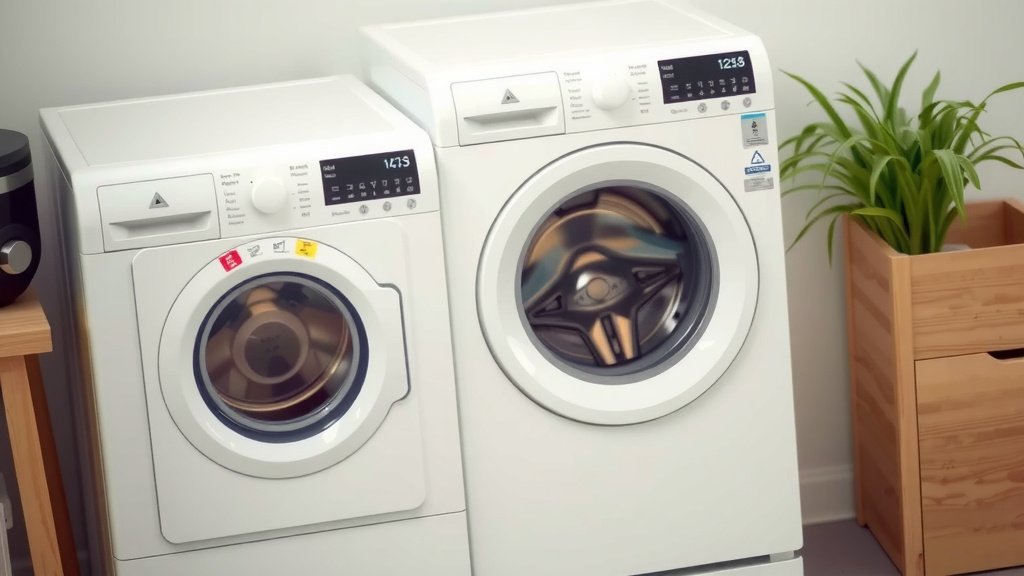
A combination washer and dryer offers a fantastic solution for many households, particularly those facing space limitations. They blend the functionality of two essential appliances into one compact unit, simplifying your laundry routine and freeing up valuable space. By understanding how they work, their capacities, and the features to look for, you can confidently decide if this all-in-one wonder is the right choice for you.
Checklist: Is a Combination Washer Dryer Right for You?
- You have limited laundry space (apartment, small home).
- You dislike moving clothes between machines.
- You’re looking for a more streamlined laundry process.
- You want to potentially save on water usage.
- You are comfortable with potentially smaller drying loads.
- Installation of a separate dryer vent is difficult.
Conclusion
You’ve learned that a combination washer and dryer is a smart appliance for maximizing space and simplifying laundry. It washes and dries clothes in a single unit, ideal for apartments or smaller homes. Remember that drying capacity is usually less than washing capacity, so you might adjust your load sizes. Many units are energy-efficient, saving you money and helping the environment. If you’re ready to streamline your chores and gain back floor space, it’s worth exploring these all-in-one laundry solutions. Your next step could be measuring your laundry area and comparing model specifications to find the perfect fit for your home.
Frequently Asked Questions
Do combination washer dryers take longer to dry clothes?
Yes, drying cycles on combination units can often take longer than a separate dryer. This is because they typically use more gentle, ventless drying methods to conserve space and energy. Research indicates that some users find them to be slower, especially with larger loads.
Can you wash a full load and then dry it all at once?
You can wash a full load, but it’s generally recommended to dry only about half of that load at a time. Drying a full wash load can lead to wrinkles and incomplete drying. You may need to split your laundry into smaller batches for the drying cycle.
Are combination washer dryers reliable?
Many modern combination washer dryers are quite reliable, with manufacturers improving their technology over the years. However, because they have more complex dual functions in one machine, repairs might be more involved if an issue arises. We found user reviews often highlight both satisfaction and occasional concerns about longevity.
What kind of maintenance do these units require?
Regular maintenance includes cleaning the lint filter (if present, though many are ventless and don’t have one), wiping down the door seal, and occasionally running a cleaning cycle with a specialized cleaner to prevent mold or odors. For ventless models, ensure the drain hose is clear and any water reservoirs are emptied.
How much do combination washer and dryer units typically cost?
The cost can vary widely depending on brand, features, and capacity. Generally, you can expect them to be more expensive upfront than a standalone washing machine but potentially less than purchasing both a separate high-end washer and a separate high-end dryer. We found prices can range from several hundred to over a thousand dollars.

![7 Best Washing Machine Brand To Buy [In 2026]](https://homeunderstandable.com/wp-content/uploads/2026/08/7-best-washing-machine-brand-to-buy-in-2026-featured-768x432.jpg)