
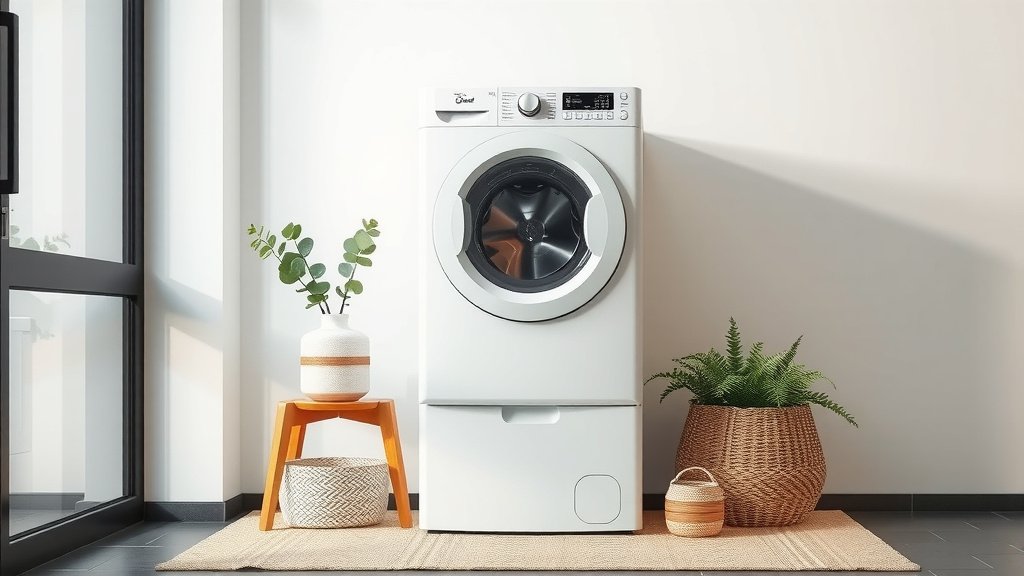
Choosing the Best Top Loader Washing Machine
A good top-loader washing machine is one that offers reliable cleaning performance and ease of use. Many top-loaders are known for their simpler designs and often come at a more budget-friendly price point. They’re a great choice if you prefer a machine you can easily load without bending over.
When searching for a good top-loader, you’ll find they come in various types, including high-efficiency (HE) models and traditional agitator styles. HE models typically use less water and energy, while agitator models are often seen as more powerful for tough stains. We found that understanding these differences helps in making the right choice for your laundry needs.
- Top-loaders are great for easy loading.
- They often have simpler controls.
- Consider HE vs. agitator for your needs.
- Budget-friendly options are common.
Let’s dive into what really makes a top-loader a winner and how to pick the perfect one for your home.
Choosing the Right Top-Loader Washer for Your Home
So, you’re looking for a top-loader washing machine that’s a real workhorse? We get it. You want something that cleans your clothes well without a fuss. You also want it to be easy to use. Many top-loaders fit this bill perfectly. They’re often simpler to operate than front-loaders. Plus, they can be easier on your back, as you don’t need to bend down as much.
We’ve researched many models to help you understand what makes a top-loader truly “good.” It boils down to a few key things: cleaning ability, durability, and user-friendliness. Let’s break down what you should look for to make sure you bring home a machine that handles your laundry needs year after year.
Understanding the Two Main Top-Loader Types
When you start shopping, you’ll quickly see that top-loaders aren’t all the same. They generally fall into two main categories. Knowing the difference will help you narrow down your search for the best fit.
1. High-Efficiency (HE) Top-Loaders
These are the modern marvels of the top-loader world. HE machines are designed to use significantly less water than older models. This is great for your utility bills and the environment. They achieve this using different wash and spin techniques.
Instead of a central agitator, most HE top-loaders use an impeller. This is a cone or disc at the bottom of the drum. It gently moves clothes through the water. Some people find they need to adjust their loading habits to ensure clothes get fully saturated. We found that many users love the energy savings these machines offer.
Pros of HE Top-Loaders
- Use less water and energy.
- Gentler on clothes.
- Often have larger capacities.
- Quieter operation.
Cons of HE Top-Loaders
- Can take longer wash cycles.
- May require specific HE detergent.
- Some users feel they don’t clean as powerfully as agitator models for very tough stains.
2. Traditional Agitator Top-Loaders
These are the classic washing machines many of us grew up with. They have a tall, plastic or metal post (the agitator) in the center of the drum. This agitator twists and turns, moving clothes through a good amount of water to scrub them clean. Many people believe these machines offer a more vigorous clean.
If you have really tough stains or often wash bulky items like comforters, an agitator model might be your preference. They tend to have shorter wash times compared to HE models. However, they use more water and can be rougher on your clothes over time.
Pros of Agitator Top-Loaders
- Excellent at removing tough stains.
- Faster wash cycles.
- Generally simpler to operate and repair.
- Can handle very large or bulky loads.
Cons of Agitator Top-Loaders
- Use much more water and energy.
- Can cause more wear and tear on fabrics.
- Often have smaller capacities than HE models.
- Can be noisier.
Key Features to Look For in a Good Top-Loader
Beyond the basic type, several features contribute to a top-loader’s performance and your satisfaction. When you’re comparing models, keep these points in mind.
Cleaning Performance
This is the most important job, right? A good top-loader should consistently get your clothes clean. We found that machines with multiple wash cycles and temperature settings offer more flexibility for different fabric types and soil levels. Look for models that have specific cycles for delicates, heavy-duty, or quick washes.
Capacity and Drum Size
How much laundry do you do? If you have a large family or tend to wash big loads, you’ll want a machine with a generous drum size. Capacities are usually measured in cubic feet. A larger capacity means you can wash more clothes at once, saving time. We found that 4.0 to 4.5 cubic feet is a good middle ground for many households.
Spin Speed
The spin speed, measured in Revolutions Per Minute (RPM), affects how much water is extracted from your clothes at the end of the cycle. Higher RPMs mean clothes come out drier, reducing drying time. This can save you energy if you use a dryer. Many HE models boast higher spin speeds.
Noise Level
Washing machines can be noisy! If your laundry area is near living spaces, you’ll appreciate a quieter machine. We found that HE models and those with advanced suspension systems tend to operate more smoothly and quietly. Some manufacturers even offer specific “quiet wash” features.
Durability and Reliability
You want a machine that lasts. Reading reviews from other consumers can give you a good idea of a model’s long-term reliability. We found that brands with a good track record for customer service and repair availability are often a safer bet. Some research suggests that simpler mechanical designs can be more durable over time.
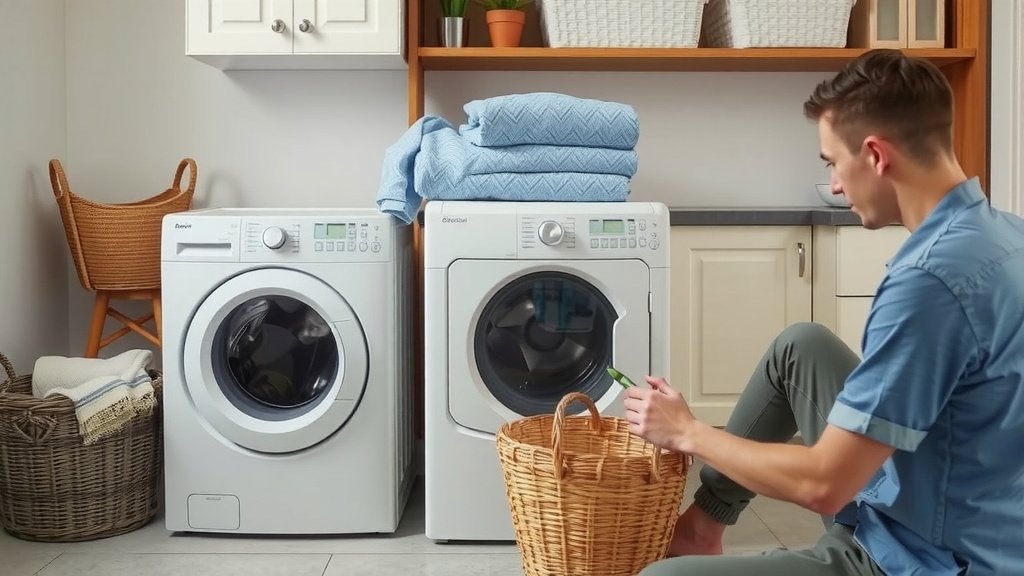
User-Friendly Features That Make a Difference
Beyond the core washing functions, certain design elements can make using your top-loader a much more pleasant experience. Have you ever struggled to reach the bottom of a deep drum? We know the feeling!
Control Panel Design
Are the controls intuitive and easy to understand? We found that a clear layout with clearly marked buttons or dials makes operating the machine much simpler. Digital displays can offer more precise control over settings, while simpler dial controls can be very straightforward.
Lid Design and Soft-Close Feature
A lid that slams shut can be a startling surprise! Many modern top-loaders feature a soft-close lid, which gently lowers on its own. This is a nice safety feature and prevents loud banging. Also, consider the lid material – glass lids let you peek at the wash without opening the machine.
Internal Drum Material
Stainless steel drums are generally preferred. They are durable, resist rust and chipping, and are less likely to snag clothes compared to plastic drums. We found that a smooth stainless steel interior contributes to both longevity and better garment care.
Making Your Final Choice: A Quick Checklist
Ready to pick the perfect top-loader? Here’s a quick rundown of things to keep in mind:
- Consider your cleaning needs: Do you battle tough stains often, or is everyday dirt your main concern?
- Think about capacity: How many people are in your household? How large are your typical loads?
- Decide on HE vs. Agitator: Weigh water savings against cleaning power and cycle time.
- Look for desired cycles and settings: Do you need specific options for delicates, bulky items, or quick washes?
- Read reviews for reliability: What do other owners say about long-term performance?
- Check for user-friendly features: Does the control panel make sense? Is the lid convenient?
Conclusion
Choosing a good top-loader washing machine means finding a balance that suits your laundry habits. You’ve learned about the differences between high-efficiency and traditional agitator models, each with unique pros and cons. We’ve also covered key features like capacity, cleaning performance, and user-friendly design elements. By considering your specific needs, from tackling tough stains to saving water and energy, you can confidently select a machine that makes laundry day easier. Now, take a moment to assess your current laundry routine and compare it with the features discussed to make your best choice.
Frequently Asked Questions
Are top-loaders generally better than front-loaders for tough stains?
Traditional agitator top-loaders are often considered better for very tough stains due to the vigorous scrubbing action of the central agitator. High-efficiency top-loaders and front-loaders can also handle stains well, but agitator models tend to have a reputation for power in this area.
How do I know if I need an HE detergent for my top-loader?
If you have a high-efficiency (HE) top-loader, you absolutely need to use HE detergent. These machines use less water, and regular detergents will create too many suds, which can damage the machine and leave residue on your clothes. Check your machine’s manual or look for the “HE” symbol on the detergent bottle.
Can I overload a top-loader washing machine?
Overloading is a common mistake that can affect cleaning performance and even damage your machine. While some top-loaders have large capacities, you should still ensure clothes have enough room to move freely in the water. Overfilling can prevent proper washing and rinsing.
What is the average lifespan of a top-loader washing machine?
With proper care and regular maintenance, a good quality top-loader washing machine can last between 10 to 13 years on average. Factors like the quality of the build, how frequently it’s used, and whether you stick to HE detergent for HE models can influence its longevity.
Are glass lids on top-loaders a good feature?
Glass lids are a convenient feature because they allow you to see the wash cycle in progress without opening the machine. This can be helpful for monitoring how clothes are tumbling or for troubleshooting. Just be sure to choose a model with a durable lid and consider the soft-close feature for safety.
![7 Best Clothes Washer Brands [In 2026]](https://homeunderstandable.com/wp-content/uploads/2026/08/7-best-clothes-washer-brands-in-2026-featured-768x432.jpg)
![7 Front Loading What Is The Best Washing Machine [In 2026]](https://homeunderstandable.com/wp-content/uploads/2026/09/7-front-loading-what-is-the-best-washing-machine-in-2026-featured-768x432.jpg)