Front Load Washer Explained: What You Need to Know
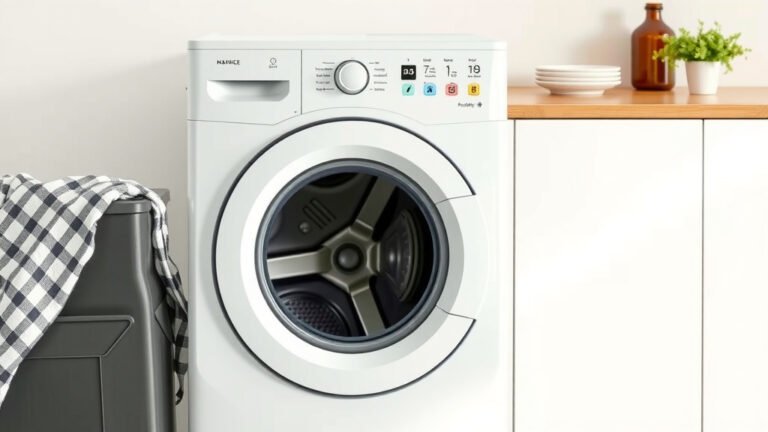
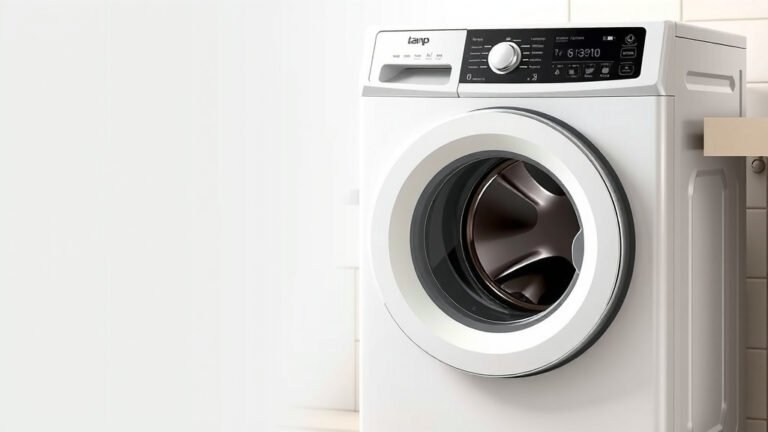
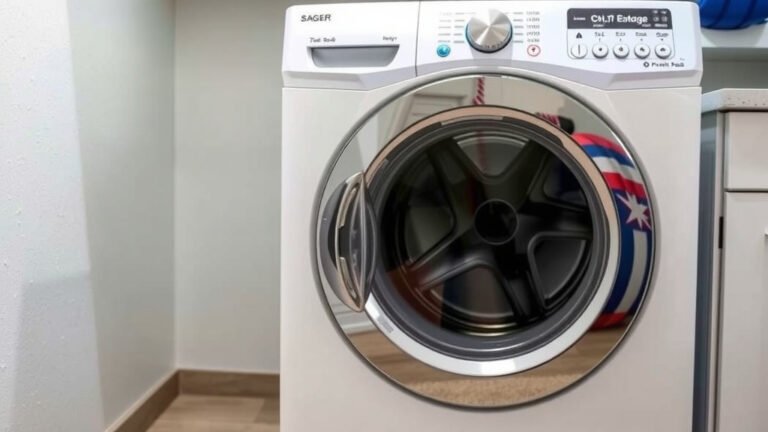
A front load washer is a type of washing machine where the clothes tumble into a horizontal drum. These washers are known for their excellent cleaning performance and energy efficiency. They use gravity to help wash your clothes, making them gentler on fabrics too.
Unlike traditional top-load machines, front loaders don’t use a central agitator. This design allows for a larger capacity and a more thorough wash. Many people choose front loaders for their ability to use less water and detergent, which is good for your wallet and the environment. We found that these machines often have advanced features.
- Front load washers tumble clothes horizontally.
- They offer great cleaning and save energy.
- They are gentler on fabrics.
- They generally use less water.
- Look for advanced features.
Let’s dive into what makes a front load washer a popular choice for many households today.
Understanding the Mechanics of Front Load Washers
So, what exactly makes a front load washer tick? At its core, it’s a washing machine that uses a horizontal drum. Instead of water filling a tub from the bottom, your clothes are lifted and dropped back into the water. Think of it like a gentle tumble in a dryer, but with water and detergent.
This tumbling action is what helps to agitate your clothes. It’s a much gentler way to loosen dirt and grime compared to the forceful spinning of a traditional top-loader with an agitator. We found this tumbling motion is key to their effectiveness.
How They Differ from Top Loaders
The most obvious difference you’ll see is the door placement. Front loaders have their doors on the front, naturally. This means you’ll likely be bending down to load and unload your laundry. Top-load washers have lids on the top, making them easier to access for some people.
Another big distinction is the agitator. Most traditional top-load washers have a central post, the agitator, that twists and turns to move clothes. Front loaders don’t have this. They rely solely on the tumbling motion within the horizontal drum. This lack of an agitator is a big reason why they can handle larger loads and are gentler on fabrics.
The Magic Behind the Cleaning Action
You might wonder how clothes get clean just by tumbling. It’s a clever combination of factors. As the drum rotates, clothes are lifted and then fall back into the water and detergent mixture. This repeated action helps to work the cleaning solution deep into the fabric fibers.
Gravity plays a significant role here, too. It helps pull the clothes down through the water, which aids in rinsing away loosened dirt. Many experts note that this method provides a more thorough clean without excessive wear and tear on your garments. We found this point consistently made in washing machine research.
The Advantages You Can Expect from a Front Load Washer
Choosing a front load washer often comes with several benefits that many homeowners appreciate. Let’s look at some of the most commonly cited advantages that make them a smart choice for your home.
Energy and Water Efficiency
This is a big one for many consumers. Front load washers are generally much more energy-efficient than their top-load counterparts. They use less water per cycle, which also means they use less energy to heat that water. Studies have shown they can use up to 40% less water (Consumer Reports).
Because they use less water, they also require less detergent to get the job done. This saves you money over time and reduces the amount of chemical runoff into the environment. We found that the smaller water footprint is a significant selling point for eco-conscious buyers.
Superior Cleaning Performance
Despite their gentleness, front loaders are known for delivering an excellent clean. The tumbling action is very effective at removing stains and dirt. The combination of gravity and the consistent tumbling helps to break down grime without needing a harsh agitator.
Many users report that their clothes come out looking brighter and cleaner. Research often highlights the effective stain removal capabilities of front-load machines. This means fewer re-washes and better care for your wardrobe.
Gentle on Your Clothes
If you have delicate fabrics or simply want your clothes to last longer, a front loader is a great option. The absence of a central agitator means there’s less friction and snagging. Your clothes tumble freely, reducing the stress on the fibers.
We found that this gentleness translates to less wear and tear over time. Items like sweaters, activewear, and even everyday t-shirts tend to hold their shape and color better. It’s like giving your laundry a spa treatment!
Larger Capacity Options
Without a bulky agitator taking up space in the middle of the drum, front load washers can offer larger capacities. This means you can wash more clothes in a single load. It’s especially helpful for larger families or for washing bulky items like comforters and blankets.
Being able to tackle bigger loads means fewer wash cycles overall. This further contributes to saving time and energy. Many models offer capacities that can easily handle a week’s worth of laundry for a typical household.
Common Features You’ll Find in Modern Front Loaders
Today’s front load washers are packed with features designed to make laundry day easier and more efficient. You’ll often find advanced technology that helps personalize your washing experience. Let’s explore some of these.
Specialized Wash Cycles
Beyond the standard “normal” or “heavy duty” cycles, front loaders come with a variety of specialized options. You might find cycles for delicates, sportswear, bedding, or even sanitizing. These cycles adjust water temperature, spin speed, and wash time for optimal results.
For instance, a “delicates” cycle will use a slower spin to prevent stretching and damage. A “sanitize” cycle, often recommended by health organizations, uses high heat to kill germs (CDC guidelines often suggest this for certain items). This customizability means you can treat every load of laundry with the care it deserves.
Steam Settings
Many higher-end front load washers include a steam function. Steam can be used in a few ways. It can help to refresh clothes that aren’t heavily soiled, reducing the need for a full wash. It’s also very effective at tackling tough stains and allergens.
The steam penetrates fabric fibers to loosen dirt and kill bacteria and dust mites. This is particularly beneficial for people with allergies or asthma. We found that users often praise the “refresh” cycle for its speed and effectiveness.
Smart Technology Integration
Yes, even your washing machine can be “smart” these days! Many front loaders connect to your home’s Wi-Fi network. This allows you to control and monitor your washer remotely using a smartphone app.
You can start a load while you’re at work, receive notifications when a cycle is finished, or even download new wash cycles. Some apps can also help diagnose minor issues or guide you through troubleshooting. This level of convenience is a hallmark of modern appliances.
Detergent Dispensing Systems
Some advanced models feature automatic detergent dispensers. You fill a reservoir with liquid detergent and fabric softener, and the machine dispenses the correct amount for each load. This ensures you’re not using too much or too little, optimizing cleaning performance and saving product.
This feature takes the guesswork out of laundry. It also ensures that the detergent is released at the optimal time during the wash cycle for maximum effectiveness. Many experts suggest this leads to more consistent results.
What to Look for in a Front Load Washer Checklist:
- Sufficient capacity for your household size.
- Energy Star certification for efficiency.
- Desired wash cycles (delicates, sanitize, etc.).
- Noise reduction features if your laundry area is near living spaces.
- “Add a garment” feature for forgotten items.
- Durable build quality and positive user reviews.
Conclusion
You’ve learned that a front load washer is a modern appliance focused on efficient cleaning. Its horizontal drum and tumbling action provide a gentle yet effective wash, saving you water and energy. You can expect better fabric care and larger load capacities compared to older top-load models. Many now feature smart tech and specialized cycles for ultimate convenience. When choosing your next washer, consider these benefits for a cleaner, more efficient laundry routine.
Frequently Asked Questions
Do front load washers take longer to wash clothes?
Generally, front load washers can have longer cycle times than traditional top-loaders. This is because their cleaning action relies on tumbling and soaking, which takes more time. However, many newer models offer quick wash cycles for when you’re in a hurry.
Are front load washers more prone to mold and mildew?
Yes, front loaders can be more susceptible to mold and mildew if not properly maintained. This is due to the airtight seal on the door and the way water can get trapped. Leaving the door ajar and wiping down the gasket after use can prevent these issues.
Can you add clothes mid-cycle to a front load washer?
Many modern front load washers now include an “Add a Garment” feature. This allows you to pause the cycle and open the door to add forgotten items. Always check your specific model’s manual to see if this function is available.
How much detergent should you use in a front load washer?
Front load washers use much less water, so you need significantly less detergent. Using too much can create excessive suds, which can hinder cleaning and damage the machine. Most HE (High Efficiency) detergents come with clear dosage instructions for front loaders.
Are front load washers more expensive than top load washers?
Typically, front load washers have a higher upfront cost than standard top-load models. However, their long-term savings on water, energy, and detergent can offset this initial expense over the life of the appliance.