
Choosing the Right Washer: A Buyer’s Guide
When choosing a new washing machine, you’ll want to consider capacity, energy efficiency, and the types of wash cycles it offers. These factors directly impact how well it cleans your clothes and how much it costs to run. Understanding these basics will help you find a machine that fits your household’s needs perfectly.
Beyond the basics, think about the convenience features that matter most to you. Do you need a specific cycle for delicates or heavy-duty items? Are you looking for a smart washer that connects to your phone? Many models also offer different dispenser types and spin speeds that can make a big difference in your laundry routine.
- Look at wash capacity for your family size.
- Prioritize energy and water efficiency to save money.
- Check for specialized wash cycles you might need.
- Consider convenience features like smart controls.
Let’s break down what to look for so you can make an informed decision for your next laundry upgrade. Our guide to the best new washer and dryer set can help you find a matching pair.
Choosing Your Next Washing Machine: Key Factors to Consider
Selecting a new washing machine can feel like a big decision. You want something that cleans your clothes effectively. You also want it to be reliable and easy to use. We’ve broken down the most important features to help you find the perfect fit for your home.
Understanding Washer Types and Configurations
Before diving into specific features, it’s helpful to know the basic types of washers available. This will help narrow down your choices right away.
Top-Load Washers
These are the classic washers you might remember. They have a lid on top. Some have a central agitator, while others use an impeller. Washers with agitators tend to be more powerful cleaners. Impeller models often offer more capacity and are gentler on clothes.
Front-Load Washers
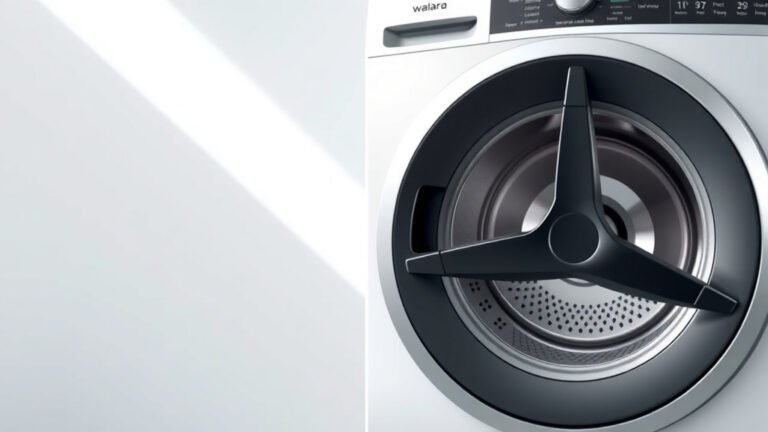
Front-load machines have a door on the front. They tumble clothes to clean them, which is generally more efficient. They use less water and energy than most top-loaders. Many people find they are also gentler on fabrics. You’ll typically need to bend down to load and unload them.
Washer-Dryer Combos
These units combine both washing and drying functions in one appliance. They are a great space-saving option for smaller homes or apartments. However, they usually have smaller capacities and longer cycle times. Drying performance can sometimes be less robust than separate units.
Capacity: How Much Laundry Can It Handle?
The size of your washing machine, measured in cubic feet, is crucial. It determines how much laundry you can wash at once. Think about your household size and how often you do laundry. If space is a concern, our guide to a mid size washer might be helpful.
What Size is Right for You?
A good rule of thumb is to consider capacity based on the number of people in your home. For a single person or couple, a smaller capacity machine (around 2-3 cubic feet) might suffice. For families of three or four, a medium capacity (3-4 cubic feet) is often ideal. Larger families or those who wash bulky items frequently should look for capacities of 4.5 cubic feet or more.
The Trade-offs of Capacity
Larger capacity machines mean fewer loads, which saves time. However, they also use more water and energy per cycle. If you opt for a larger machine, make sure you consistently fill it to maximize efficiency. Washing small loads in a big machine is wasteful.
Energy and Water Efficiency: Saving Money and the Planet
Washing machines can be significant energy and water consumers. Looking for efficient models can lower your utility bills and your environmental impact. The U.S. Department of Energy sets standards for this.
Understanding the ENERGY STAR® Label
Appliances with the ENERGY STAR® label meet strict energy efficiency guidelines. These machines use less energy and water than standard models. They can save you a considerable amount of money over the appliance’s lifespan. Many experts recommend looking for this label first.
Water Factor (WF) and Energy Factor (EF)
You might see terms like Water Factor (WF) and Energy Factor (EF) on yellow EnergyGuide labels. A lower WF means the machine uses less water per cycle. A higher EF indicates better energy efficiency. These numbers can help you compare models directly.
Wash Cycles and Settings: Tailoring Your Wash
Modern washers come with a variety of wash cycles designed for different fabric types and soil levels. Having the right cycles can protect your clothes and ensure they get clean.
Essential Cycles to Look For
Most machines offer standard cycles like Normal, Delicates, and Heavy Duty. These cover most of your laundry needs. Beyond these, consider if you need specialized cycles.
Specialized Cycles That Make a Difference
- Sanitize: Uses very hot water to kill bacteria and allergens, great for bedding and baby clothes.
- Allergen: Similar to sanitize, designed to remove common household allergens.
- Quick Wash: For lightly soiled items you need cleaned fast.
- Steam: Helps to loosen stains and reduce wrinkles.
- Bulky Items: For large items like comforters and sleeping bags.
Spin Speed: Impact on Drying Time
The spin speed of a washer, measured in Revolutions Per Minute (RPM), determines how much water is extracted from your clothes. A higher RPM means more water is removed.
Higher RPMs Mean Less Drying Time
Washers with higher spin speeds (1000 RPM or more) will leave clothes damp rather than soaking wet. This can significantly reduce the time your clothes spend in the dryer. It also means your dryer uses less energy. If you air dry some items, this is a big benefit.
Convenience Features for a Smoother Laundry Day
Beyond basic cleaning, many washers offer features that simplify your laundry routine.
Smart Technology and Connectivity
Some newer washers connect to your home Wi-Fi. You can often control them using a smartphone app. This lets you start, stop, and monitor cycles remotely. You might even get notifications when a load is finished. This can be incredibly convenient if you’re often away from home.
Dispenser Types and Their Benefits
Washers have different ways to dispense detergent and fabric softener. Some have simple, manual dispensers. Others have automatic dispensers that add the right amount at the right time. Auto-dispensers can prevent using too much product and ensure optimal cleaning. They often hold enough for multiple loads, so you don’t have to add detergent every time.
Noise Levels and Vibration
If your laundry room is near living areas, consider how quiet the machine is. Many manufacturers are now focusing on reducing noise and vibration. Look for models that specifically advertise quiet operation or vibration reduction technology. Reading reviews can also give you an idea of real-world noise levels.
Quick Checklist for Your Washer Purchase:
- Confirm the capacity suits your household size.
- Look for ENERGY STAR® certification for efficiency.
- Ensure it has the wash cycles you frequently use.
- Consider the spin speed (RPM) for faster drying.
- Evaluate extra convenience features that appeal to you.
Conclusion
You’re now equipped to make a smart choice for your next washing machine. Remember to balance capacity with your household size and energy efficiency for long-term savings. Don’t forget specialized wash cycles that simplify your routine. Considering convenience features can also make a big difference in your daily life. Take your time, compare models, and choose a washer that cleans your clothes well and fits your lifestyle. Your next step is to visit a store or browse online, keeping these key factors in mind.
Frequently Asked Questions
How often should I clean my washing machine?
You should aim to clean your washing machine at least once every three months. This helps prevent mold, mildew, and odor buildup. Regularly cleaning also ensures your machine runs efficiently and keeps your clothes smelling fresh.
Are front-load or top-load washers better for saving water?
Generally, front-load washers are more water-efficient than top-load models. They use less water because they tumble clothes in a smaller amount of water. Many front-loaders also offer higher spin speeds, which extract more water, reducing drying time.
What does “smart washer” actually mean?
A “smart washer” is a washing machine that can connect to your home’s Wi-Fi network. This allows you to control it remotely via a smartphone app. You can start, stop, monitor cycles, and receive notifications when a load is finished.
Is a higher spin speed (RPM) always better?
A higher spin speed (measured in RPM) is generally better because it removes more water from your clothes. This leads to shorter drying times and can save energy on your dryer. However, very high speeds might be too harsh for extremely delicate fabrics.
How do I know if a washing machine is energy efficient?
Look for the ENERGY STAR® label on the appliance. This certification means the machine meets strict energy efficiency guidelines set by the U.S. Environmental Protection Agency. You can also check the yellow EnergyGuide label for its Energy Factor (EF) rating; a higher EF indicates greater efficiency.
![7 Best Brand Stackable Washer Dryer [In 2026]](https://homeunderstandable.com/wp-content/uploads/2026/08/7-best-brand-stackable-washer-dryer-in-2026-featured-768x432.jpg)