Inflate Air Mattress Fast with Air Compressor Guide
Yes, you can absolutely use an air compressor to inflate your air mattress. It’s a much faster way to get your bed ready. Just be sure to use the right adapter and don’t over-inflate it.
Inflating an air mattress with an air compressor might sound a bit intense, but it’s quite simple with the proper technique. We found that using a compressor can save you a lot of time and effort, especially for larger mattresses. It’s a great trick for camping trips or unexpected guests.
- Use the right adapter for your mattress valve.
- Don’t over-inflate; stop when it feels firm.
- Check the mattress for leaks before guests arrive.
- An air compressor is a quick solution.
Ready to ditch the manual pump? Let’s walk through exactly how to get your air mattress inflated using an air compressor, step by step.
Inflating Your Air Mattress with an Air Compressor
Yes, you can absolutely use an air compressor to inflate your air mattress. It’s a much faster way to get your bed ready. Just be sure to use the right adapter and don’t over-inflate it.
Inflating an air mattress with an air compressor might sound a bit intense, but it’s quite simple with the proper technique. We found that using a compressor can save you a lot of time and effort, especially for larger mattresses. It’s a great trick for camping trips or unexpected guests.
- Use the right adapter for your mattress valve.
- Don’t over-inflate; stop when it feels firm.
- Check the mattress for leaks before guests arrive.
- An air compressor is a quick solution.
Ready to ditch the manual pump? Let’s walk through exactly how to get your air mattress inflated using an air compressor, step by step.
Getting Started: What You’ll Need
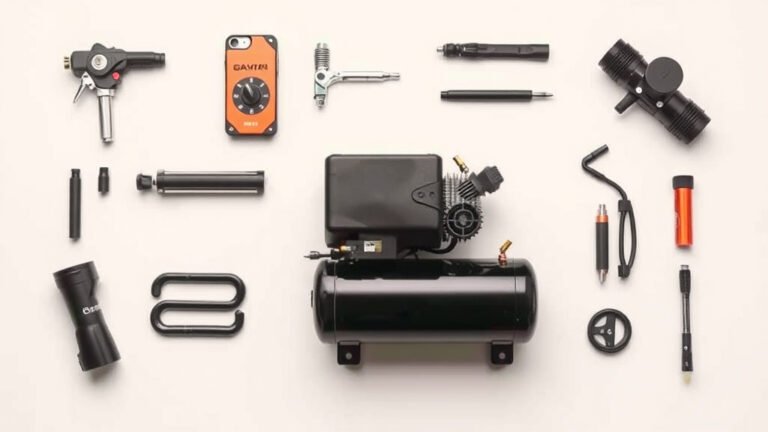
Before you plug in that air compressor, let’s make sure you have everything you need. It’s like preparing for a baking project – the right ingredients make all the difference. You’ll need your air mattress, of course. Then comes the star of the show: your air compressor. Not all air compressors are created equal, so check yours. Many portable ones are perfect for this job.
The most important piece of equipment, besides the compressor itself, is the correct nozzle adapter. Air mattress valves come in different sizes. You’ll want an adapter that fits snugly into your mattress’s inflation port. These are often included with air mattresses or can be purchased at hardware or camping stores. Think of it as finding the right key for a specific lock.
We also recommend having a pressure gauge handy. While some air compressors have built-in gauges, an external one offers extra assurance. Over-inflation is the biggest risk here, and a gauge helps you avoid it. The goal is a firm, supportive mattress, not one that’s about to burst. Many sources suggest a pressure between 0.5 and 1 PSI for standard air mattresses (University of Maryland Extension).
Choosing the Right Air Compressor
For inflating an air mattress, you don’t need a heavy-duty industrial compressor. A small, portable air compressor is usually sufficient. These are often designed for car tires or small inflatables. Look for one that offers adjustable pressure settings or a gauge. This gives you more control over the inflation process.
Some people even use the compressors found at gas stations. If you go this route, be extra careful. They pump air out at a much higher rate. You’ll need to be quick and vigilant. We found that portable compressors offer a much safer and more controlled experience for home use.
Selecting the Right Valve Adapter
This is where things can get tricky if you’re not prepared. Air mattress valves vary. Some are simple push-and-twist types, while others are the more common “Boston valve” with two parts. Your air compressor’s nozzle might not fit directly.
You can often find multi-head adapters that come with various tips. These are a lifesaver. If you can’t find a universal adapter, you might need to research the specific type of valve on your air mattress and find an adapter designed for it. Many camping gear retailers stock these. Getting this right prevents air from escaping and makes the process smooth.
The Inflation Process Step-by-Step
Now that you have your gear, let’s get that mattress inflated. It’s a straightforward process once you have the right tools. Clear a space large enough for your mattress. Unpack it and spread it out completely. This ensures even inflation and prevents accidental pinches.
Connecting the Compressor and Mattress
First, attach the correct nozzle adapter to your air compressor’s hose. Make sure it’s securely fitted. Then, find the inflation valve on your air mattress. Open it up. This might involve unscrewing a cap or lifting a tab.
Firmly press the adapter into the mattress valve. You want a good seal so no air escapes. If you notice air leaking around the connection, you may need to adjust the adapter or try a different one. This connection is critical for efficient inflation.
Controlling the Airflow and Pressure
This is the most important part. Most air compressors can inflate a mattress very quickly. You don’t want to blast air into it at full force for too long. If your compressor has an adjustable pressure setting, start low.
We recommend setting it to a low-to-medium pressure initially. You can always add more air. Watch the mattress as it begins to fill. It will start to take shape. Gently feel the firmness as you go. Many mattress manufacturers recommend not exceeding a certain pressure to avoid damage. You want it firm, but not rigid like a drum.
Using a Pressure Gauge for Precision
If you’re using a separate pressure gauge, attach it to the compressor hose before connecting to the mattress, or ensure it’s integrated into your connection. As the mattress inflates, keep an eye on the gauge. Most standard air mattresses don’t require high pressure. If you’re using a separate pressure gauge, attach it to the compressor hose.
We found that for most queen-size air mattresses, a pressure of around 0.5 PSI is sufficient for good support. Over-inflating can stress the seams and make the mattress uncomfortable. It’s better to under-inflate slightly and add more air than to over-inflate and risk damage (Consumer Reports).
When to Stop Inflating
How do you know when it’s just right? It’s a combination of feel and, ideally, the pressure gauge. The mattress should feel firm and supportive under your touch. When you press down, it should resist, but not feel rock hard.
Stop inflating when the mattress feels taut and holds its shape well. If you’re using a gauge, aim for the recommended PSI for your specific mattress, if known. If not, a general guideline of 0.5-1 PSI is a good starting point. It should be comfortable to lie on without feeling like you’re sinking too much.
Troubleshooting Common Issues
Sometimes, things don’t go perfectly. Don’t worry, most issues are easily fixed. The most common problem is air leakage.
Dealing with Leaks
If you suspect air is escaping, listen carefully. Is it coming from the valve connection? Try reseating the adapter. Is it a slow hiss from the mattress itself? Inspect the surface for small punctures. You can often find these by listening closely or by using a soapy water solution – bubbles will form at the leak site. Small leaks can sometimes be temporarily patched with strong tape, but for larger issues, you might need a patch kit.
Mattress Not Inflating Properly
If the mattress seems to be inflating but never feels firm, double-check your adapter connection. Ensure it’s creating a tight seal. Also, confirm that the compressor is actually producing airflow. If you’re using a very old compressor, its motor might be struggling. Another possibility is a damaged internal valve on the mattress itself.
Over-Inflated Mattress Blues
Did you accidentally overdo it? It happens! The mattress will feel very stiff and might even look a bit distorted. Simply release some air. You can do this by slightly loosening the adapter connection or by pressing the valve open briefly. Let a little air out, then re-check the firmness. Repeat until it feels comfortable.
Post-Inflation Checklist
You’ve done it! Your air mattress is inflated. Now, a quick check ensures everything is in order before you or your guests use it.
- Check for Firmness: Give the mattress a good push. Does it feel supportive?
- Inspect Valve Seal: Ensure the inflation valve is closed and sealed tightly.
- Listen for Leaks: Spend a minute listening for any hissing sounds.
- Test Comfort: If possible, lie on it briefly to gauge comfort.
- Deflate Slightly (if needed): If it feels too firm, release a little air.
Conclusion
You’ve learned that using an air compressor to inflate your air mattress is totally doable and much faster than a manual pump. Remember the keys: get the right adapter for your valve, keep a close eye on pressure with a gauge, and don’t over-inflate. A firm, comfortable mattress is your goal, not a bursting balloon. With these steps, you’re ready to quickly set up a comfy bed for guests or your next camping trip. Now, go ahead and enjoy that perfectly inflated mattress!
Frequently Asked Questions
Can any air compressor be used for an air mattress?
Generally, yes, but it’s best to use a portable air compressor. These usually offer more control over air pressure compared to larger or industrial models. Ensure your compressor has a nozzle that can connect securely to your air mattress valve, possibly with an adapter.
What’s the biggest risk when inflating an air mattress with a compressor?
The biggest risk is over-inflation. Air compressors can fill an air mattress very quickly, and too much air can stress the seams, potentially leading to leaks or damage. Always monitor the mattress’s firmness and use a pressure gauge if possible.
Where can I find the correct adapter for my air mattress valve?
You can often find universal valve adapters that come with multiple tips. Check the packaging of your air mattress, as one might be included. If not, hardware stores, camping supply shops, or online retailers are good places to look for adapters designed for inflatable items.
How do I know if my air mattress is firm enough without over-inflating it?
The mattress should feel supportive and taut to the touch. When you press down, it should offer resistance but not feel rock hard or stiff. If you have a pressure gauge, aiming for 0.5 to 1 PSI is a good general guideline for most standard air mattresses.
What if my air mattress has a leak after inflating it with a compressor?
Leaks can happen for various reasons. First, check the valve connection to ensure the adapter was sealed properly. If the leak is from the mattress itself, inspect for punctures by listening closely or using a soapy water solution to find bubbles. Small leaks can sometimes be patched.