How to Pump Tires With an Air Compressor
The easiest way to pump tires with an air compressor is to connect the hose to the valve stem and fill until you reach the desired pressure. This method is quick and efficient for cars, bikes, and even small trailers. Ensuring your tires are properly inflated can improve fuel economy and prolong tire life.
Using an air compressor takes the guesswork out of tire inflation. You can achieve the exact PSI your vehicle needs without over or underfilling. This is much more reliable than manual pumps, especially for those longer road trips. Many modern compressors also come with handy pressure gauges right on the device.
- Connect the air compressor hose to the tire valve stem. Connect the air compressor hose to the tire valve stem and learn how to air up a Presta valve.
- Check your tire’s recommended PSI (usually on the driver’s side doorjamb).
- Fill the tire gradually, checking the pressure frequently.
- Stop when you reach the correct PSI.
- Disconnect the hose and replace the valve stem cap.
Let’s walk through exactly how to do it step by step, so you can get back on the road with peace of mind.
Inflating Your Tires With an Air Compressor: A Step-by-Step Guide
Using an air compressor to fill your tires is a super straightforward process. It’s much easier than you might think. We’ll walk you through each step. You’ll be back on the road with properly inflated tires in no time.
Understanding Tire Pressure: The PSI Essentials
Before you even touch an air compressor, you need to know the right air pressure for your tires. This is measured in Pounds per Square Inch, or PSI. Overinflated or underinflated tires can cause problems.
Where to Find Your Vehicle’s Recommended PSI
Your car, truck, or even your bicycle has a specific PSI recommendation. You’ll usually find this information on a sticker. Look for it on the driver’s side doorjamb. It might also be in your owner’s manual. Sometimes, it’s on the fuel filler door.
This number is important. It’s determined by the vehicle manufacturer. They’ve figured out the best pressure for safety, handling, and fuel efficiency (U.S. Department of Transportation).
Checking Current Tire Pressure
You’ll need a separate tire pressure gauge for this. Most air compressors have a gauge, but it’s good to have a backup. Gently press the gauge onto the tire’s valve stem. You’ll hear a quick hiss of air. The gauge will then show you the current PSI.
Do this check when your tires are cold. This means the car hasn’t been driven recently. Driving heats up the tires, which increases the pressure. This can give you an inaccurate reading.
Setting Up Your Air Compressor for Tire Inflation
Now, let’s get your air compressor ready. Most compressors are pretty similar in how they work. We’ll cover the common types you’ll encounter.
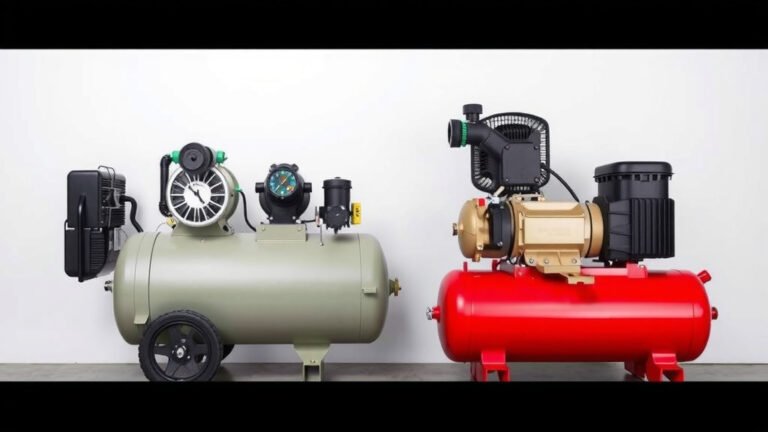
Types of Air Compressors You Might Use
You’ll likely encounter two main types for personal use:
- Portable Air Compressors: These are small, often 12-volt units that plug into your car’s cigarette lighter. They are great for quick top-offs or emergencies.
- Stationary Air Compressors: These are larger, more powerful units typically found in garages. They require a standard electrical outlet.
Connecting the Air Hose and Attachments
Your air compressor will come with an air hose. This hose has a fitting on the end. This fitting is designed to attach securely to your tire’s valve stem. Most fittings are universal, but double-check.
Some compressors come with different nozzle attachments. You likely won’t need these for car tires. However, they are useful for sports balls or other inflatables. Make sure the hose is in good condition. No cracks or leaks.
The Tire Inflation Process: Step-by-Step
This is where the magic happens! It’s a simple process once you know the steps.
Attaching the Air Compressor Hose
First, unscrew the small cap from your tire’s valve stem. Keep this cap somewhere safe! You don’t want to lose it. Then, firmly push the compressor’s hose fitting onto the valve stem.
You might hear a slight hiss of air escaping. This is normal as you connect it. Some fittings have a lever or locking mechanism. If yours does, engage it now. This creates a tight seal and prevents air from leaking out. If it doesn’t have a lever, you just push it on firmly.
Monitoring the Tire Pressure
Your air compressor will likely have a built-in pressure gauge. Many portable units have a digital display. Others have a classic analog dial.
Watch the gauge closely as you start to fill the tire. If you’re using a separate gauge, you’ll need to stop the compressor periodically. You can then detach the hose to check the pressure. Many compressor hoses have a built-in gauge, which makes this step much easier.
Filling the Tire to the Correct PSI
Now, turn on the air compressor. Let it run for short bursts. It’s better to add air in stages rather than all at once. This gives you more control. You don’t want to overshoot the target PSI.
As you fill, keep an eye on the pressure gauge. Compare it to the recommended PSI you found earlier. If the gauge shows the correct number, turn off the compressor.
Detaching the Hose and Replacing the Cap
Carefully remove the air hose fitting from the valve stem. You might hear a tiny puff of air. This is just a little escaping. Quickly screw the valve stem cap back on. This protects the valve from dirt and debris.
Repeat this process for each tire. Remember that front and rear tires might have different PSI recommendations. Always check your vehicle’s sticker.
Troubleshooting Common Inflation Issues
Sometimes, things don’t go perfectly smoothly. Don’t worry, most issues are easy to fix.
Air Leaking During Inflation
If you hear a constant hiss of air while the hose is connected, the connection might not be secure. Try pushing the fitting on more firmly. If it has a lever, ensure it’s fully engaged. A damaged valve stem can also cause leaks.
Sometimes, debris can get caught in the valve stem. You can try pressing the tiny pin inside the valve stem briefly with a small tool to clear it. Be prepared for a quick burst of air.
Compressor Not Filling Properly
If your compressor seems to be running but not adding air, check the hose connection again. Ensure the compressor itself is powered on and functioning. For 12-volt models, make sure they are securely plugged into a working 12-volt outlet.
Quick Checklist for Tire Inflation Success
Here’s a handy checklist to make sure you don’t miss a step:
- Find your vehicle’s recommended tire PSI.
- Check current tire pressure with a gauge.
- Unscrew the valve stem cap.
- Attach the air compressor hose securely.
- Fill the tire in short bursts, monitoring pressure.
- Stop at the correct PSI.
- Remove the hose and replace the valve cap.
By following these simple steps, you can confidently use an air compressor to keep your tires properly inflated. This small bit of maintenance can save you money and keep you safe on the road.
Conclusion
You’ve learned how simple it is to keep your tires properly inflated using an air compressor. Knowing your vehicle’s recommended PSI is the first, most important step. Then, it’s just a matter of connecting, filling in short bursts, and monitoring the gauge. This routine maintenance can boost your car’s fuel efficiency and make your tires last longer. Don’t let underinflated tires slow you down or cost you extra at the pump. Make tire pressure checks a regular part of your car care routine!
Frequently Asked Questions
How often should I check my tire pressure?
It’s a good idea to check your tire pressure at least once a month. You should also check it before any long road trips. Tires can lose air slowly over time, even when they look fine.
Can I use a portable air compressor for all my vehicles?
Yes, most portable 12-volt air compressors are designed to work with cars, SUVs, and smaller trucks. Always check the compressor’s PSI capacity to ensure it matches your vehicle’s needs.
What happens if I overinflate my tires?
Overinflated tires can lead to a rougher ride and uneven tire wear. They might also be more prone to damage from road hazards. It’s best to stick to the manufacturer’s recommended PSI.
My air compressor gauge seems different from my manual gauge, what should I do?
It’s common for gauges to have slight variations. If they differ, use your trusted manual gauge for the final check. You can also calibrate your compressor’s gauge by comparing it multiple times.
Do I need to check tire pressure on my spare tire?
Absolutely! Your spare tire needs to be ready for action. Check its pressure regularly, just like your other tires. A flat spare won’t help you in an emergency.