Unclog AC Drain Line With Air Compressor Guide
Yes, you can absolutely use an air compressor to unclog your AC drain line. It’s a quick and effective DIY method that can save you a service call. This technique uses compressed air to safely push out common blockages like algae and sediment.
A clogged AC drain line is a common problem. It can lead to water damage, mold growth, and your air conditioner not cooling properly. Using an air compressor is one of the most efficient ways to tackle this issue yourself. We found many homeowners have success with this method.
- The core problem is a blocked AC drain line.
- An air compressor can clear this blockage.
- You’ll need a few simple tools.
- Safety precautions are important.
- Regular maintenance prevents future clogs.
Ready to try it yourself? Let’s walk through exactly how to use your air compressor to clear that pesky AC drain line step by step.
Clearing Your AC Drain Line with an Air Compressor
You’ve got an AC drain line that’s giving you trouble. A clogged line is no fun. It can lead to water pooling around your unit. This can cause damage to your home. Mold can also start to grow. Thankfully, you can often fix this yourself. Using an air compressor is a popular and effective method. We found that many homeowners prefer this DIY approach.
What Causes AC Drain Line Clogs?
Your air conditioner removes moisture from the air. This moisture collects in a pan. It then drains away through a pipe called the AC drain line. Over time, this line can get clogged. Algae and mold can grow inside. Dust and sediment can also build up. Think of it like a tiny pipe in your house getting gunked up. This blockage stops the water from draining properly.
The Nitty-Gritty: How Blockages Form
Your AC unit creates a cool, dark, and often moist environment. This is the perfect breeding ground for mold and algae. Tiny spores are already in the air. They get pulled into your AC. Some of these settle in the drain pan. They start to grow, especially if there’s a bit of stagnant water. This sludgy growth can slowly narrow the drain line. Eventually, it can completely block it. We found research confirming these are the primary culprits.
Signs Your Drain Line Needs Attention
There are a few tell-tale signs. You might notice water leaking from your AC unit. The area around the indoor unit could be wet. You might even see a small puddle. Another sign is if your AC isn’t cooling as well as it should. Sometimes, you can even hear a gurgling sound from the drain line. This indicates water is struggling to move through.
Gathering Your Tools for the Job
Before you start, make sure you have everything you need. This will make the process much smoother. You don’t want to be hunting for a tool mid-job. We recommend having these items ready.
Essential Equipment You’ll Need
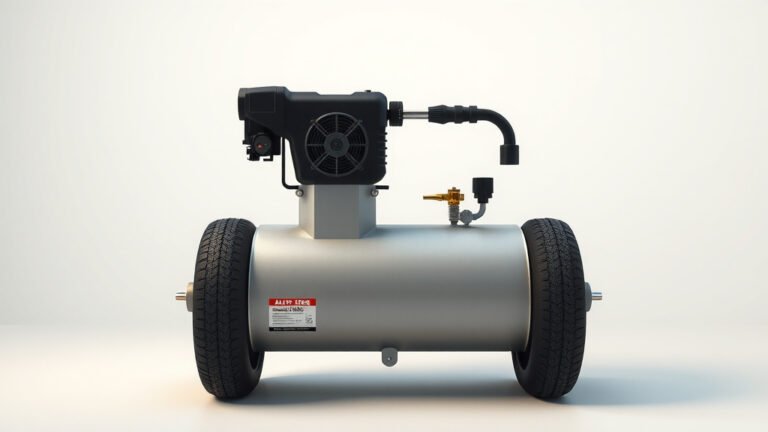
You’ll need your air compressor, of course. Make sure it has a decent tank size. You don’t need industrial strength. A standard home compressor will do the trick. You’ll also need an adapter. This adapter connects your air compressor hose to the drain line. A rubber stopper or a rag can be helpful too. This helps create a seal. A screwdriver might be needed if your drain line access panel is secured.
Finding the Right Adapter
The adapter is key. It needs to fit snugly into the end of your AC drain line. You want a good seal. This is so the compressed air doesn’t escape. You can often find these at hardware stores. Look for universal drain line cleaning kits. They usually come with various adapters. Measure the diameter of your drain line before you go shopping. This will help you pick the right size.
| Item | Purpose |
|---|---|
| Air Compressor | To provide the blast of air |
| Drain Line Adapter | To connect compressor to drain line |
| Rubber Stopper or Rag | To create an airtight seal |
| Screwdriver (optional) | To access drain line if needed |
| Safety Glasses | To protect your eyes |
Safety First: Protecting Yourself and Your Home
Working with compressed air requires caution. It’s powerful stuff. We always recommend prioritizing safety. Protect yourself and your equipment. These simple steps will help prevent accidents.
Before You Turn on the Air
First, turn off your AC unit at the thermostat. You don’t want the system running while you’re working on it. Next, locate your AC’s drain line. It’s usually a PVC pipe that exits your home near the outdoor unit. It might also be inside your attic or a closet. Once you find it, put on your safety glasses. This is important because debris can sometimes be blown back. We found that eye protection is non-negotiable.
Securing the Connection
Now, it’s time to connect your air compressor. Attach the adapter to the end of the drain line. If it’s not a tight fit, use your rubber stopper or rag. You want to make a tight seal. This is critical for the air to push effectively. If there are leaks, the air will just escape. This will make the process less effective. Think of it like trying to blow up a balloon with a hole in it.
The Unclogging Process: Step-by-Step
Now for the main event! You’re ready to use that air compressor. This part is surprisingly straightforward. We’ve broken it down into easy-to-follow steps.
Applying the Compressed Air
Slowly turn on your air compressor. Let it build up pressure. You don’t need to crank it to maximum. A moderate pressure is usually sufficient. Many experts suggest starting around 40-60 PSI. Briefly blast the air into the drain line. You should hear a whoosh sound. This means the air is moving through. Do this for just a few seconds. Too much pressure can damage the line. We found short bursts are most effective.
Checking for Water Drainage
After the air blast, turn off the compressor. Listen for any sounds of water draining. You might hear trickling or gurgling. If you have access to the pan, check if the water level has gone down. You can also turn your AC back on. See if water starts dripping from the exterior drain line within a few minutes. If it’s still clogged, you might need to repeat the process. Sometimes, a second or third burst of air is needed. You could also try slightly increasing the PSI if the first attempt didn’t work.
What if it Doesn’t Work?
If you’ve tried a few times and it’s still blocked, don’t despair. The clog might be more stubborn. In some cases, the clog is too far down the line. Or, it could be a more solid obstruction. If the air compressor method doesn’t work, it might be time to call a professional. They have specialized tools for drain line cleaning. We recommend not forcing it if it feels like you might break something.
Preventing Future Clogs: A Little Maintenance Goes a Long Way
Once your drain line is clear, you’ll want to keep it that way. Regular maintenance is key. It saves you hassle down the road. It also prevents costly water damage. We found that a few simple habits can make a big difference.
Regular Flushing is Your Friend
A great way to prevent clogs is to flush the drain line periodically. You can do this every few months. Use a cup of distilled white vinegar or a specialized AC drain line cleaner. Pour it into the drain pan. This helps kill mold and algae before they build up. Some people use a mixture of water and bleach, but vinegar is often recommended as it’s less corrosive. Always check your AC manufacturer’s guidelines first.
Keep the Area Clean
Another tip is to keep the area around your indoor AC unit clean. Dust and debris can get into the drain pan. This contributes to clogs. Regularly clean your air filters too. Dirty filters force your AC to work harder. This can also increase the amount of dust pulled into the system.
Consider a Condensate Pump or Drain Pan Treatment
For persistent issues, you might consider a condensate pump. This helps remove water more efficiently. You can also buy drain pan tablets. These slowly release algaecides into the pan. They help keep the growth at bay. These are generally inexpensive and easy to use. We found that many homeowners find them very effective.
Here’s a quick checklist to remember:
- Turn off your AC unit.
- Locate the drain line.
- Connect your air compressor with a good seal.
- Use short bursts of moderate air pressure.
- Check for proper drainage.
- Perform regular maintenance like flushing.
Conclusion
You’ve successfully learned how to use an air compressor to clear your AC drain line. This DIY method is efficient and can save you money on a service call. Remember, consistent maintenance is your best defense against future clogs. By performing regular flushing and keeping your unit clean, you can ensure your AC runs smoothly all season long. If you encounter a particularly stubborn blockage, don’t hesitate to call a professional.
Your next step is to gather your tools and confidently tackle that clogged drain line. You’ve got this!
Frequently Asked Questions
How much PSI should I use with the air compressor?
You don’t need maximum pressure. Many experts suggest starting with moderate pressure, around 40-60 PSI. Too much force can potentially damage your drain line. Always start lower and increase slightly if needed after checking for drainage.
Can I use my shop vac to unclog the AC drain line instead of an air compressor?
While some people have success with a shop vac set to blow, an air compressor is generally more effective. The continuous, higher-pressure blast from a compressor is better at dislodging stubborn blockages. Ensure a good seal no matter which method you use.
What if I can’t find the end of my AC drain line?
The drain line typically exits near your outdoor AC unit, often as a small PVC pipe. If you can’t locate it outside, it might be routed to a condensate pump or a utility drain inside your home, perhaps in an attic or closet. Check your AC unit’s manual for its location.
Is it safe to use bleach to clean my AC drain line?
While some might suggest bleach, distilled white vinegar is generally a safer and more recommended option for routine flushing. Vinegar effectively kills mold and algae without being overly corrosive to your AC components. Always check your manufacturer’s recommendations.
How often should I perform maintenance on my AC drain line?
To prevent clogs, it’s a good idea to flush your drain line every 3-4 months. This includes pouring a cup of vinegar or a specialized cleaner into the drain pan. Regular filter changes also contribute to keeping debris out of the system.