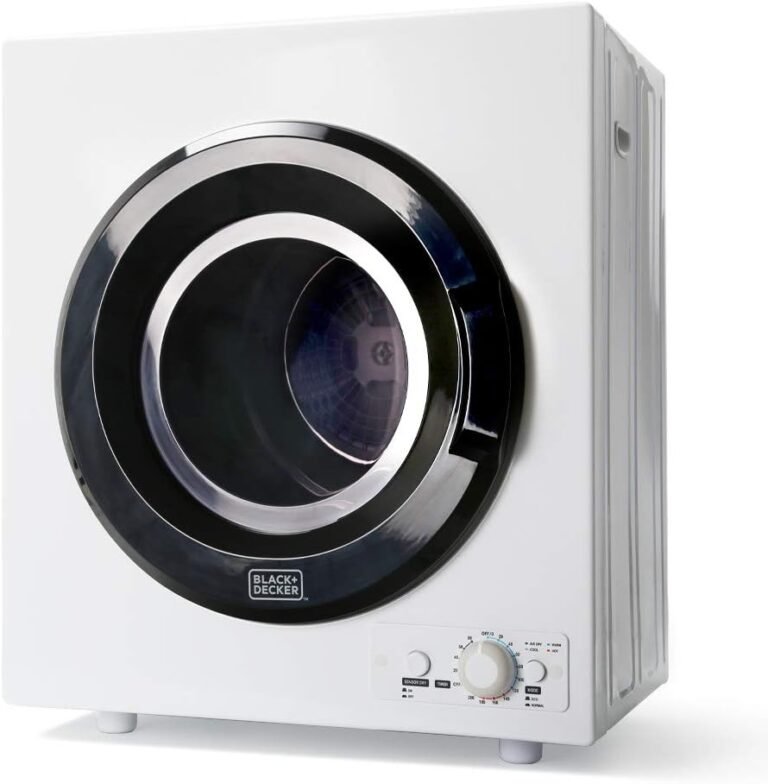
How Much Electricity Does a Clothes Dryer Use?
Yes, a clothes dryer uses a lot of electricity—it’s typically one of the biggest energy hogs in your home, right after your HVAC system and water heater. In fact, we found that a standard electric dryer can easily cost you $100 or more per year to run, depending on how often you use it and your local utility rates.
The good news? You don’t have to air-dry everything on a line just to save money. We found that small changes in how you use your dryer—like cleaning the lint filter every single load and using the moisture sensor setting—can cut its energy use by a surprising amount. Many experts say dryers are one of the easiest appliances to make more efficient without sacrificing convenience.
- Electric dryers use about 2,000 to 6,000 watts per load, which is higher than almost any other appliance.
- Your dryer costs roughly 30 to 50 cents per load—and that adds up fast if you do several loads weekly.
- Gas dryers are cheaper to run than electric ones, but they still use electricity for the motor and controls.
- Heat pump dryers use about 50% less energy than traditional vented dryers, if you’re shopping for a new one.
- Simple habits like drying back-to-back loads and using the auto-dry cycle can lower your bill noticeably.
Below, we break down exactly how much electricity your dryer pulls, what that means for your monthly bill, and the easiest ways to cut those costs—let’s walk through it together.
How Much Electricity Your Dryer Actually Uses
We found that the average electric clothes dryer pulls somewhere between 2,000 and 6,000 watts per load. That’s a big range because dryers come in different sizes and efficiency levels. To put that in perspective, your refrigerator might use around 150 watts. Your dryer uses 20 to 40 times more power while it’s running.
Most standard dryers run for about 45 to 60 minutes per load. So a typical cycle eats up between 2.5 and 5.5 kilowatt-hours (kWh) of electricity. The national average electricity rate is roughly 16 cents per kWh. That means one load costs you about 40 to 88 cents in energy alone.
Do the math for a family that does five loads a week. That’s roughly $100 to $230 a year just to dry clothes. If you have a big household with heavy usage, the number climbs even higher. Your dryer is quietly one of the most expensive appliances you own.
Why Dryers Demand So Much Power
Drying clothes requires serious heat. Heating air takes a lot of energy, and your dryer has to keep that heat flowing for the whole cycle. It also spins the drum, runs a blower fan, and powers the control panel. All of that adds up quickly.
Think of it like running a small space heater inside a sealed box for an hour. That’s essentially what your dryer does every single load. The heating element alone typically draws about 5,000 watts when it’s active.
Electric vs. Gas Dryers: The Cost Difference
We compared the numbers and found that gas dryers are noticeably cheaper to run. Natural gas costs less than electricity for the same amount of heat. A gas dryer might cost you 15 to 25 cents per load compared to 40 to 88 cents for electric.
But here’s the catch: gas dryers still use electricity. They need power for the drum motor, the igniter, and the controls. The heating is just cheaper. If you’re buying new and you have a gas hookup available, that’s worth considering.
Breaking Down the Real Cost Per Load
Let’s get specific about what your dryer adds to your monthly bill. We found that a standard electric dryer uses about 3.5 kWh per load on average. At the national rate of 16 cents per kWh, that’s 56 cents per load.
Here’s a quick breakdown of what different usage patterns look like monthly:
| Loads Per Week | Monthly Cost (Electric) | Monthly Cost (Gas) |
|---|---|---|
| 3 loads | About $6.70 | About $2.60 |
| 5 loads | About $11.20 | About $4.30 |
| 7 loads | About $15.70 | About $6.00 |
| 10 loads | About $22.40 | About $8.60 |
These numbers assume average dryer efficiency and standard cycle settings. Your actual costs depend on your local utility rates and how you use the machine. But this gives you a solid baseline to work from.
Why Your Dryer Bill Might Be Higher Than Average
Several factors can push your costs above those estimates. Older dryers are far less efficient than newer models. Many experts say dryers made before 2010 use 15 to 30 percent more energy than modern ones.
Your venting setup matters too. A clogged or kinked vent hose forces the dryer to work harder. It also makes cycles run longer, which means more electricity per load.
The size of your loads plays a role as well. Overstuffing the drum makes drying take longer. Small loads waste energy because you’re heating the whole machine for just a few items.
Heat Pump Dryers: The Efficiency Game-Changer
If you’re in the market for a new dryer, heat pump models are worth your attention. We found that these dryers use about 50 percent less energy than traditional vented electric dryers. That’s a massive difference over the life of the appliance.
Instead of venting hot air outside, a heat pump dryer recycles the warm air. It uses a refrigerant to capture heat and reuse it. This makes the whole process far more efficient.
Are Heat Pump Dryers Worth the Higher Price?
Heat pump dryers cost more upfront. You might pay $200 to $500 more than a standard electric model. But the savings add up fast.
If you save $60 to $100 per year on electricity, the price difference pays for itself within a few years. Plus, these dryers are gentler on your clothes because they use lower heat. Many experts say that’s a significant bonus for delicate fabrics.
Vented vs. Condenser vs. Heat Pump
There are three main types of dryers, and they vary widely in efficiency:
- Vented dryers: The most common type. They push hot, moist air outside through a hose. Cheapest to buy but the most expensive to run.
- Condenser dryers: They collect moisture in a tank instead of venting outside. Slightly more efficient than vented models.
- Heat pump dryers: The most efficient option by far. They reuse heat and use about half the energy of vented dryers.
If you rent or live in an apartment, a condenser or heat pump model might be your only option. Many older homes don’t have dryer vents installed in convenient locations.
Simple Habits That Cut Dryer Electricity Use
You don’t need to buy a new dryer to see savings. We found that small habit changes can reduce your dryer’s energy consumption by a noticeable amount. Start with these everyday tweaks.
Clean the Lint Filter Every Single Load
This is the number one tip we give everyone. A clean lint filter improves airflow and helps your dryer work efficiently. A clogged filter can increase energy use by up to 30 percent because the dryer has to run longer.
Make it part of your routine. Pull the filter out, wipe it with your hand, and pop it back in. It takes five seconds. Your dryer will thank you with lower bills.
Use the Moisture Sensor Setting
Many dryers have an auto-dry or moisture sensor mode. This setting stops the cycle when clothes are actually dry. The timed dry setting runs for a set period, even if your clothes finished drying earlier.
We found that switching from timed dry to auto-dry can save you 15 to 20 percent on energy. The sensor detects when moisture levels drop and shuts off automatically.
Dry Back-to-Back Loads
Here’s a tip that sounds odd but works: dry multiple loads in a row. The dryer stays warm between cycles, so it doesn’t have to reheat the drum from scratch. That saves energy on the second and third loads.
Plan your laundry day strategically. Do all your drying in one session instead of spreading it out. Your dryer’s residual heat does some of the work for you.
Separate Heavy and Light Items
Jeans and towels take longer to dry than t-shirts and underwear. When you mix them, the whole load runs longer. The light items stay in the dryer longer than necessary.
Sort your laundry into heavy and light loads. Heavy items get a longer cycle. Light items finish faster. You’ll save time and energy on both loads.
When to Skip the Dryer Entirely
Sometimes the smartest move is to skip the machine altogether. Line drying is completely free and uses zero electricity. But we understand it’s not always practical, especially in cold or rainy climates.
Items That Should Never Go in the Dryer
Some items dry faster on a rack anyway. Delicate fabrics like silk, lace, and wool can shrink or warp in the dryer. Athletic wear with spandex loses its stretch. And anything with a waterproof coating will break down over time.
Check the care label on your clothes. Many items marked “line dry” will actually dry faster on a rack than in a machine, because the dryer cycle may need to be extra gentle and run longer.
Use a Drying Rack Inside Your Dryer
Some dryers come with an internal drying rack. This lets you dry items flat inside the machine without tumbling. It’s perfect for sweaters, sneakers, and delicate items. It uses the same heat but gentler action.
If your dryer has this feature, we found that using it for delicate items can extend their lifespan. That means you replace clothes less often, which saves money in the long run.
Does Dryer Age Matter for Electricity Use?
Yes, and more than you might think. We found that dryers lose efficiency as they age. Seals wear out, heating elements degrade, and sensors become less accurate. An older dryer might use 20 to 30 percent more energy than it did when new.
Most dryers last between 10 and 15 years. If yours is approaching that age, it might be worth comparing the cost of repairs against a new purchase. The energy savings from a modern dryer can offset the purchase price.
Look for the ENERGY STAR Label
ENERGY STAR certified dryers meet strict efficiency guidelines set by the U.S. Environmental Protection Agency. They use advanced moisture sensors and better insulation. These models are about 20 percent more efficient than standard models.
Not all dryers qualify for ENERGY STAR. Only heat pump and some high-efficiency condenser models make the cut. If you see the label, it’s a solid indicator of lower operating costs.
Your Dryer Electricity Checklist
Here’s a quick checklist to help you cut your dryer’s electricity use starting today:
- Clean the lint filter before every single load
- Switch to the auto-dry or moisture sensor setting
- Dry heavy items separately from light ones
- Run back-to-back loads to reuse residual heat
- Check your vent hose for kinks or clogs monthly
- Consider upgrading to a heat pump or ENERGY STAR model if your dryer is old
You don’t have to do all of these at once. Pick one or two to start. We found that even small changes can shave $20 to $50 off your yearly energy bill. That’s real money back in your pocket for almost zero effort.
Your dryer is a convenience we all rely on. With a little awareness and a few simple tweaks, you can keep that convenience without letting it drain your wallet. The Department of Energy has published data confirming that dryers are one of the most energy-intensive appliances in the home, so any improvement you make counts.
Conclusion
Your clothes dryer is one of the most power-hungry appliances in your home. We walked through the numbers together, and the truth is clear: a standard electric dryer can easily cost you $100 or more each year. But you don’t have to live with that bill.
The smartest move you can make today is to clean your lint filter before every load and switch to the auto-dry setting. These two tiny changes can cut your energy use by up to 30 percent. That’s real savings with zero sacrifice in convenience.
Start with those two habits this week. If your dryer is old, start researching heat pump models. Your wallet and your clothes will thank you.
Frequently Asked Questions
How much does it cost to run a dryer for one hour?
Most electric dryers use about 3.5 kWh per hour. At the national average rate of 16 cents per kWh, that’s roughly 56 cents per hour. Your local rates might push that higher or lower.
Is it cheaper to dry clothes at night?
It depends on your utility plan. Many providers offer time-of-use rates with lower prices during off-peak hours. Check your electricity bill or call your provider to see if you qualify for cheaper nighttime rates.
Why does my dryer take two cycles to dry clothes?
This usually points to restricted airflow. A clogged lint filter, a kinked vent hose, or a full outdoor vent flap makes your dryer work harder and longer. Clean the filter and inspect the vent line to fix this common issue.
Do front-load dryers use less electricity than top-load dryers?
There’s no significant difference between front-load and top-load dryers in terms of energy use. The real efficiency difference comes from heat pump technology, not the door orientation. Focus on the dryer type, not the loading style.
Can solar panels offset the cost of running a clothes dryer?
Yes, they can. A typical dryer load uses about 3.5 kWh, and a standard home solar system generates 30 to 40 kWh per day. That means your dryer would only consume about 10 percent of your daily solar production per load.