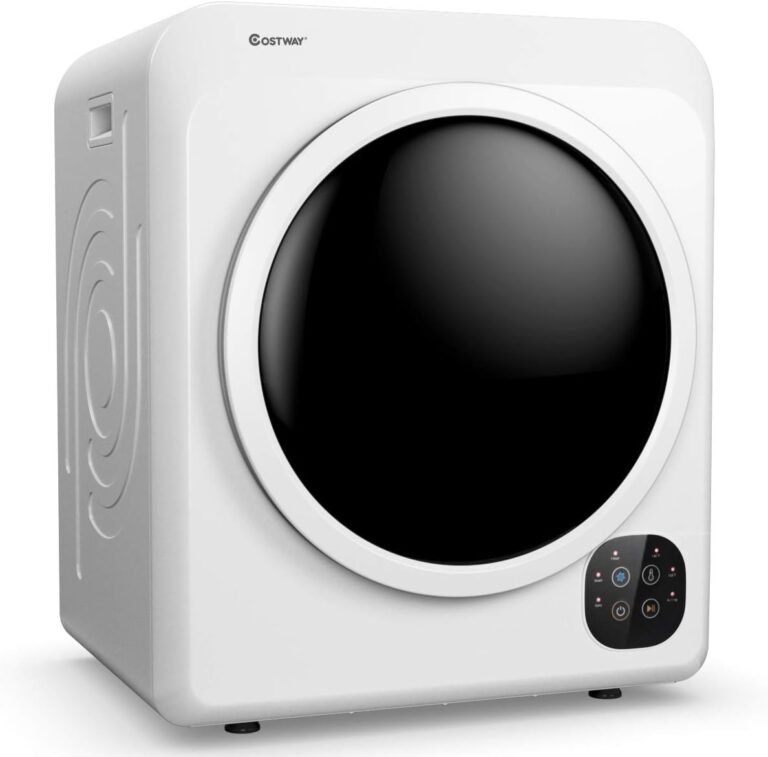
Does a Clothes Dryer Kill Dust Mites? (2026)
Yes, a clothes dryer can kill dust mites, but only if you use the high heat setting for at least 30 minutes. The heat from a typical dryer cycle is hot enough to destroy these microscopic pests and their eggs. We found that this is one of the easiest ways to refresh bedding and clothing without harsh chemicals.
Dust mites thrive in warm, humid places like your mattress, pillows, and fabric. They feed on dead skin cells, and their droppings are a major trigger for allergies and asthma. Since washing in hot water isn’t always possible for every fabric, the dryer offers a simple workaround. You can tackle these allergens right in your laundry room.
- The quick answer: Yes, a dryer kills dust mites on high heat (above 130°F) for 30 minutes or more.
- Why it works: The intense heat dehydrates the mites and destroys their eggs, which is key to breaking the cycle.
- The best method: Tumble dry items on the hottest setting your fabric can safely handle, and make sure they are completely dry.
- Bonus tip: Dry your pillows and stuffed animals regularly to cut down on allergen buildup between washes.
- The catch: The dryer removes dead mites and waste, but you’ll still want to wash items to physically wash away the allergens.
Below, we break down the exact time and temperature you need, plus which items are safe to toss in. Let’s walk through how to make your dryer your secret weapon against dust mites.
Using High Heat to Eliminate Dust Mites in Your Dryer
You can definitely use your dryer to kill dust mites, and it’s easier than you might think. Research shows that a sustained temperature of 130°F (54°C) or higher is the magic number for destroying these pests. The key is to ensure your dryer actually reaches that heat and maintains it for the full cycle.
We found that most standard dryers on the high or heavy-duty setting easily hit this temperature. The heat literally dehydrates the mites to the point of death. This works on the adults, the nymphs, and the tiny eggs that regular washing often misses.
What Temperature Kills Dust Mites?
Temperature is everything here. Many experts say that heat above 130°F is lethal to dust mites. For the best results, you want to aim for a constant heat of 140°F (60°C) for about 30 minutes.
Your dryer is likely hotter than you think. A typical high-heat cycle will push the internal temperature well past 140°F. This extra heat gives you a comfortable safety margin. If you have a dryer with a sensor, use the “more dry” or “very dry” setting to ensure enough time passes.
Why Dry Heat Works Better Than You’d Expect
Dust mites are mostly water. They absorb moisture from the air through their bodies. When you hit them with intense, dry heat, they lose that moisture faster than they can replace it. It’s a fatal combination of temperature and dehydration.
Washing in cold water often leaves them alive. Warm water might stun them. But the violent tumbling and intense heat inside a dryer is a one-two punch. It kills the bugs and also fluffs the fabric, so your bedding feels fresh, not just sanitized.
Mastering the Dryer Method for Allergen Removal
To get the most out of this method, you need to think about time and load size. It is not just about turning the machine on. You want to give the heat time to penetrate every layer of fabric.
We recommend a full 45-minute cycle on high heat for bulky items. For thinner items like pillowcases, 30 minutes is usually plenty. The goal is to make sure the core of the item reaches that lethal temperature. If you overload the dryer, the heat can’t circulate properly.
What Items Should You Put in the Dryer?
Your dryer is a safe zone for most fabric items. You can use it on things that you normally can’t wash in hot water. This is a huge win for delicate materials.
- Sheets and blankets: Strip the bed and toss everything in on high.
- Pillows: Check the label first. Use a low or no-heat fluff cycle for foam. Use high heat for polyester and down.
- Stuffed animals: Keep them dry and they will not get ruined. This is a lifesaver for kids with allergies.
- Curtains and drapes: If they are dryer-safe, this is the easiest way to clean them.
- Clothing: Shirts, pants, and pajamas all benefit from a hot tumble.
- Pet bedding: Wash and dry on high heat to break the allergen cycle.
The Best Dryer Settings for Dust Mite Control
Your dryer’s settings matter more than you think. The “high heat” button is your best friend here. Avoid using the “air fluff” or “air dry” settings, as they do not generate enough heat to kill anything.
Choose the heavy-duty or cotton cycle if you have it. These cycles are programed to run longer and get hotter. If you are drying mixed loads, make sure the fabric is safe for the hottest setting to protect your clothes.
Is Steam or Sanitize Cycle Better?
Many modern dryers come with a “sanitize” or “steam” cycle. These are actually excellent for killing dust mites. The sanitize cycle uses extreme heat for a prolonged period. It is designed to kill 99.9% of germs, and dust mites definitely fall into that category.
Steam cycles are tricky. They add moisture to the drum. While the steam itself is hot, the moisture can sometimes just dampen the mites. We found that a straight dry heat sanitize cycle is more reliable than a steam refresh cycle for this specific job.
Combining Dryer Heat with Your Washing Routine
Here is the truth about dust mites: the dryer kills them, but it does not wash them away. Dead mites and their droppings are still in the fabric. To get rid of the allergens, you need to wash the items after you dry them, or at least shake them out well.
The best routine is to wash in hot water first, then dry on high heat. This physically removes the allergens from the fibers. Then the dryer nukes any survivors. This two-step process is what allergy sufferers really need.
Why Washing Alone Might Not Be Enough
Washing in cold water is actually a missed opportunity. Studies show that cold water alone will not kill dust mites. Hot water (above 130°F) works, but it can shrink your clothes. That is why the dryer is the safer bet.
If you wash in cold water, you are just getting the mites wet. They will survive the spin cycle. But, tossing those same sheets into a hot dryer right after the wash will finish the job. The dryer is the fail-safe step you can’t afford to skip.
How Long Do Dust Mites Survive Without a Host?
You might think a few minutes in the dryer is enough. It is not. Dust mites are resilient. They have a tough exoskeleton that protects them.
We found that it takes a solid 10 minutes at full temperature just to kill the adults. Eggs are even harder. They take longer to cook. That is why we recommend the full 30-45 minute cycle. It guarantees the heat gets to the core of the pile.
Addressing the Limitations of the Dryer Method
The dryer is not a magic wand. It is a tool. There are some things it cannot do. It cannot reach inside your mattress or your couch. Those are the places where dust mites thrive the most.
For your mattress, you will still need a vacuum with a HEPA filter and a mattress protector. The dryer handles the washable items, but you have to tackle the big furniture separately. We suggest using the dryer for bedding twice a week to keep allergen levels low.
Do Dryer Sheets or Additives Help?
Dryer sheets make your clothes smell good. They do not kill dust mites. The chemicals in them are not designed to be miticides. In fact, some scented products can irritate sensitive skin and allergies.
Skip the extra fragrances if you are fighting allergies. The heat does all the work. You do not need any special spray or additive to make the heat more effective. Just dry your items and you are done.
Step-by-Step Process to De-Mite Your Laundry
Ready to get started? Here is a simple checklist we use to make sure the dryer is working hard for you. Follow these steps to maximize your allergen removal.
- Step 1: Separate your items by fabric weight to allow for even heat distribution.
- Step 2: Place items loosely in the dryer. Do not overstuff the drum.
- Step 3: Select the high heat or sanitize cycle on your machine.
- Step 4: Set the timer for at least 45 minutes for bulky bedding.
- Step 5: Let the cycle finish completely. Do not stop it early to save energy.
- Step 6: Remove items promptly and shake them out to release dead dust mite debris.
How Often Should You Do This?
If you have allergies, you need a strict schedule. We recommend drying your sheets and pillowcases once a week. This breaks the reproductive cycle of the mites.
For pillows and comforters, aim for once a month. Stuffed animals should be dried weekly if your child is allergic. The key is consistency. One hot dryer session a month will not solve the problem if you skip the rest.
Using the Dryer on Non-Washable Items
Some items, like certain throw pillows or delicate wool, cannot get wet. That is fine. You can still use the dryer for them. A dry tumble on high heat is safe for many fabrics that are “dry clean only”.
Just check the care label for the maximum heat setting. If it says “low heat”, it might not be enough to kill mites. In that case, consider freezing the item for 24 hours as an alternative. But for most cotton and synthetic blends, the dryer is perfect.
We found that the dryer is the ultimate shortcut in the fight against dust mites. It is fast, chemical-free, and fits into a normal laundry routine. You do not need special equipment or expensive sprays. Just turn up the heat and let the machine work its magic.
Key Factors That Impact Dryer Effectiveness
Not all dryers are created equal. The age of your machine matters. Older dryers might not heat up as efficiently. Gas dryers tend to run hotter than electric ones.
Also, think about your home’s climate. If it is humid outside, the dryer takes longer to dry things. That means more time for the heat to penetrate. This is actually beneficial for killing mites.
Load Size and Airflow
Airflow is the secret weapon. A half-full dryer works much better than a completely full one. The tumbling action lifts the fabric and allows hot air to reach every square inch.
If the dryer is too full, you get a giant clump of damp clothes. The outside might be hot, but the center stays cool. This creates a perfect survival zone for dust mites. Keep your loads small to ensure the heat does its job.
Time to Say Goodbye to Dust Mites
You now have the facts. Your dryer is a powerhouse for allergy relief. Make it a habit to use that high heat setting. It is one of the easiest, most effective ways to make your bed a safer place to sleep.
We hope this guide helps you breathe easier. Give your washer and dryer a team effort next laundry day. Your sinuses will thank you.
Conclusion
Your dryer is one of the best tools you own for fighting dust mites. High heat above 130°F for at least 30 minutes will kill these pests and their eggs. This works on bedding, pillows, stuffed animals, and most clothing without harsh chemicals.
Remember that heat kills the mites, but washing removes the allergens they leave behind. Pair a hot dryer cycle with your regular wash routine for the best allergy relief. Keep your loads small so the heat reaches every layer of fabric.
Start this week by running your pillows and sheets through the hottest safe cycle. Make it a weekly habit, and you will notice a real difference in your allergies. Your sinuses will thank you.
Frequently Asked Questions
Can I kill dust mites by putting my clothes in the freezer?
Yes, freezing can work, but it takes much longer than the dryer. You need to keep items at 0°F or below for at least 24 hours to kill dust mites. The dryer is faster and more convenient for most people.
Will a low heat dryer cycle kill dust mites?
No, low heat will not do the job. Dust mites need sustained heat above 130°F to die. The low or delicate setting on most dryers stays below that threshold, so mites can survive the cycle.
How do I know if my dryer is hot enough to kill dust mites?
Most modern dryers on the high or heavy-duty setting reach 135°F to 150°F. If your dryer is older or takes multiple cycles to dry clothes, it might run cooler. Check your owner’s manual for the maximum temperature rating.
Can dust mites survive the dryer if the load is too big?
They absolutely can. An overstuffed dryer traps cool air in the center of the load. The outside fabric gets hot, but the inner layers stay cool enough for mites to survive. Keep your loads small and loose.
Is it safe to put my pillows in the dryer every week?
For most polyester and down pillows, yes, weekly drying is safe. Check the care tag first. Foam pillows should never go in a hot dryer. If you have foam, use a no-heat cycle or replace them regularly.