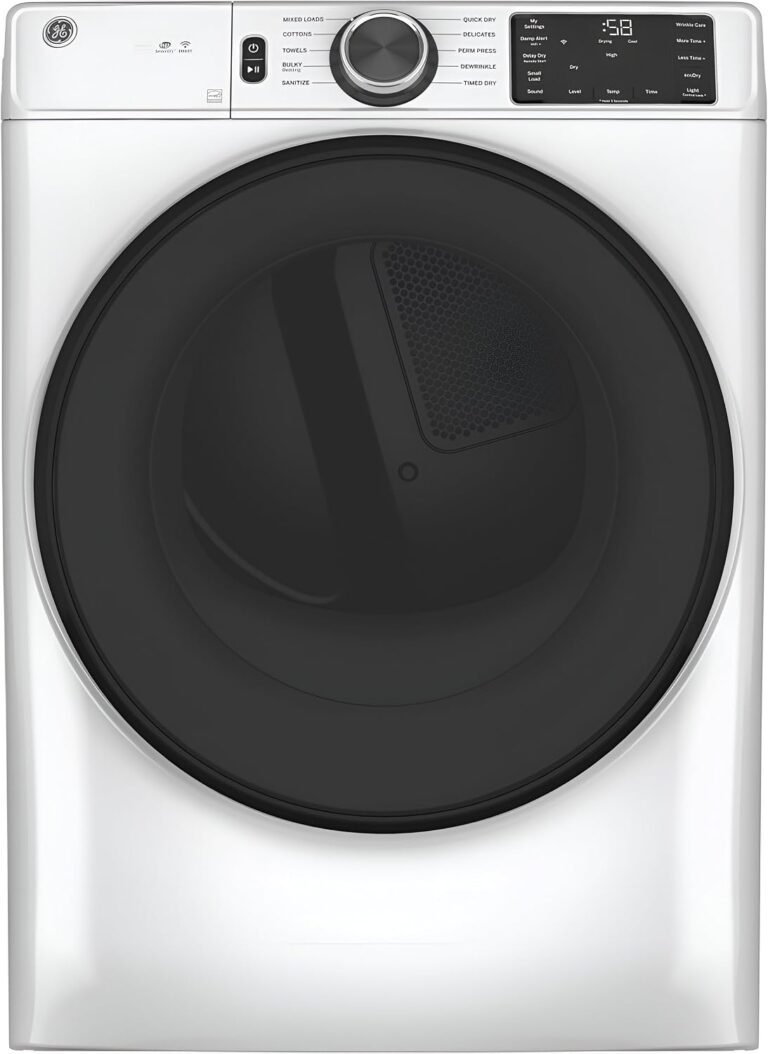
What Is a Clothes Dryer and How Does It Work
Yes, a clothes dryer is a household appliance that removes moisture from laundry using heated air and tumbling motion. The warm air evaporates the water in your wet clothes, and a vent or condenser system captures that moisture. This is the simple answer to the classic question, “is a clothes dryer worth it?” for most modern households.
We found that this machine is one of the most convenient time-savers in a home because it works in all weather conditions. It handles everything from bulky towels to delicate shirts, dramatically cutting down the time you spend waiting for things to dry. Many experts say that a dryer helps soften fabrics without the stiffness you often get from line-drying outdoors.
- Clothes dryers use heat and air circulation to evaporate water from laundry.
- They save you hours of time compared to hanging clothes on a rack or line.
- A dryer works indoors, no matter if it is raining, snowing, or humid outside.
- They help reduce wrinkles and kill bacteria and dust mites with high heat.
- There are different types: vented, condenser, and heat pump models.
Below, we break down exactly how this appliance operates, the different styles you can choose from, and tips for using it efficiently. Let’s walk through everything you need to know before you press that start button.
What a Clothes Dryer Does For Your Laundry Routine
We found that a clothes dryer is essentially a large, rotating metal drum that blows hot air through your wet laundry. The tumbling action keeps items separated so the air reaches every fiber. Moisture evaporates, gets carried away, and you are left with soft, dry clothes in about 40 to 60 minutes.
Think of it like a giant, gentle convection oven for fabric. Instead of cooking food, it bakes the water right out of your t-shirts and jeans. Most experts say the key advantage is that you control the heat and time, no matter what the weather is like outside.
How the Drying Process Actually Works
It is simpler than you might think. The dryer pulls in air from the room, heats it up with a gas burner or electric coil, and pushes that hot air into the drum. As your clothes tumble, the hot air absorbs the moisture. That humid air then exits through a lint filter and out a vent.
We found that the lint trap is not just a suggestion. It protects your machine and your home. Cleaning it every single load keeps the airflow strong and cuts down drying time significantly.
Common Dryer Settings Explained
Most machines have a dial or digital menu that looks overwhelming at first. But once you break it down, it is just about matching heat to fabric type. A heavy cotton cycle uses high heat and longer time. A delicate cycle drops the temperature way down to protect fragile items.
There is usually a sensor dry option on newer models. That means the dryer stops automatically when it detects the moisture level is just right. Many experts say this saves energy and prevents your clothes from shrinking.
Types of Clothes Dryers and How to Choose
You have three main paths when buying a dryer. The one you pick often depends on where you live and whether your home has existing hookups. We found that understanding these differences is the most important part of shopping.
Before you buy anything, measure your space and check your electrical outlet. A gas dryer needs a gas line. An electric dryer needs a dedicated 240-volt outlet. Making this check first saves you a huge headache at delivery time.
Vented Dryers: The Traditional Workhorse
This is the most common type in the United States. It pulls room air, heats it, and blows it through the clothes. Then it pushes the hot, moist air outside through a vent hose and duct system.
We found that vented dryers are usually the most affordable upfront. They dry loads fast and are simple to repair. The downside is that they need an exterior wall to push the air out, which limits where you can install them.
Condenser Dryers: No Vent Required
Condenser dryers are a popular choice for apartments and condos. They do not need to push air outside. Instead, they pull the moist air through a condenser that cools the air and collects the water in a tank.
You will need to empty that water reservoir every few loads. Alternatively, you can connect a drain hose to a plumbing pipe. Many experts say these are safer to install in tight spaces, but they typically take a little longer to dry each load.
Heat Pump Dryers: The Energy Saver
Heat pump dryers are the latest technology and the most energy-efficient option on the market. They recycle the air by reheating it in a closed loop system. We found that they are gentler on your fabrics because they use lower temperatures.
Yes, they cost more upfront than vented or condenser models. But over the life of the machine, you will save money on your utility bills. They are also a favorite among people who want to reduce their household energy footprint.
Electric vs. Gas Dryers: What is the Difference
Once you pick a vent style, you still have one more decision to make. Dryers run on either electricity or natural gas. Your choice depends on your home’s available hookups and your long-term budget.
We found that gas dryers usually heat up faster and cost less to run over time. But they require a professional installation because you are dealing with a gas line. Electric dryers are easier to install and plug into a standard dryer outlet, but they use more electricity.
| Feature | Electric Dryer | Gas Dryer |
|---|---|---|
| Installation | Plug into 240V outlet | Requires gas line hookup |
| Upfront Cost | Lower purchase price | Slightly higher price |
| Operating Cost | Higher utility bills | Lower utility bills |
| Heat-Up Time | Slightly slower | Fast, intense heat |
| Maintenance | Simple | Needs annual professional check |
Many guidelines point to gas dryers being more efficient for large families that do laundry every day (U.S. Department of Energy). If you live in an apartment without a gas line, an electric condenser model is your best bet. Do not try to convert one type to the other without calling a licensed pro.
Is a Clothes Dryer Safe for Every Fabric
Not all fabrics love the heat. We found that you should read the care tag on every garment before tossing it in. High heat can shrink cotton, melt synthetic fibers, and ruin delicate lace or embellishments.
The good news is that you can still use your dryer for almost everything if you sort your loads correctly. Just separate heavy jeans from lightweight blouses and adjust the temperature setting for each batch.
Fabrics You Should Air Dry Instead
Some items simply should never go near the tumbling drum.
- Swimsuits and athletic wear with spandex.
- Wool sweaters and cashmere scarves.
- Silk blouses, dresses, and ties.
- Anything with rhinestones, beads, or delicate embroidery.
- Padded bras or items with foam inserts.
- Rain jackets with waterproof coatings.
Practical Dryer Tips to Save Time and Money
You can get the most out of your machine with a few easy habits. Many experts say that overloading the dryer is the number one mistake people make. Air needs room to circulate, so only fill the drum about three-quarters full.
Another big win is shaking out each item before you put it in the dryer. This removes wrinkles that set during the spin cycle and helps the dryer work faster. Using a dryer sheet or wool balls also reduces static cling and keeps fabrics soft.
Energy-Saving Habits That Work
You want dry clothes, but you do not want a huge energy bill. We found that running consecutive loads keeps the dryer already warm, so the second and third loads dry faster. If you do just one load, clean the lint filter thoroughly to maximize airflow.
Using the moisture sensor setting stops the machine when clothes are dry. That prevents over-drying, which wastes energy and causes fabric to wear out faster. Many experts say this single feature saves you a noticeable amount on your monthly electricity bill (Energy Star).
Dryer Maintenance Checklist
Keeping your dryer running smoothly is easier than you think. Just follow this quick list every few months to avoid breakdowns and fire hazards.
- Clean the lint filter after every single load.
- Vacuum the lint trap housing once a month.
- Check the exterior vent flap for blockages each season.
- Wipe down the drum with a damp cloth to remove residue.
- Inspect the exhaust hose for kinks or crushed areas.
- Schedule a professional vent cleaning every 2 to 3 years.
Common Dryer Problems and Quick Fixes
We found that most dryer issues are simple to diagnose. If your dryer suddenly stops heating, check the thermal fuse or the heating element. These parts wear out over time, and they are often the main culprits behind a no-heat situation.
If buttons on your machine get stuck or the drum squeaks, a bit of maintenance might be needed. Always unplug the dryer before you poke around inside. When in doubt, call a local appliance repair technician to take a look.
Choosing the Right Size for Your Household
You have to think about your family size when picking a dryer. Compact models hold about 2 to 3 cubic feet, and full-size models range from 7 to 9 cubic feet. We found that a 7-cubic-foot drum is the sweet spot for a household of three or four people.
If you have a big family or wash bulky comforters often, look for a model with an oversized drum. It may seem excessive, but trying to stuff a king-size comforter into a small dryer only leads to frustration and damp, lumpy results.
Stackable Dryers for Small Spaces
A stackable washer and dryer set is a lifesaver for apartments or tiny laundry closets. These models bolt together to save floor space, and you can still get full-size drying capacity. Many experts say this is the smartest way to fit a dryer into a tight footprint.
We found that stackable sets usually come as a pair, so you know they are compatible. Buying them together also ensures the pedestals and mounting brackets line up perfectly. That makes installation a breeze and keeps the whole unit stable.
How a Dryer Impacts Your Daily Life
Think about skipping the trip to the laundromat on a cold Tuesday night. Owning a dryer means you can wash a load, dry it, and fold it all in the same afternoon. You gain back hours every single week that you used to spend waiting around.
A dryer also helps with household allergens. The high heat kills dust mites and bacteria, which helps if you or a family member deals with allergies or asthma. Many clinical guidelines point to hot washing and drying as a way to reduce dust mite exposure (American Academy of Allergy, Asthma & Immunology).
So, is a clothes dryer a good investment? We found that the convenience, time savings, and fabric care benefits make it one of the top appliances you can own. Once you have one, it quickly becomes the most-used machine in your home.
Conclusion
You now know exactly how a clothes dryer works and which type fits your home. Whether you pick a vented, condenser, or heat pump model, the goal is the same: get your laundry dry with less effort. We found that matching your dryer to your space and family size makes the biggest difference in daily satisfaction.
Start by measuring your laundry area and checking your available hookups. That simple step tells you if you need electric or gas, and whether you can use a vented or condenser style. Once you know that, you can shop with complete confidence. Your future self will love you for skipping the dripping clothes rack and the soggy towel pile.
Frequently Asked Questions
How long does a typical dryer cycle take?
Most standard cycles run between 40 and 60 minutes. Heavy items like towels and jeans take longer, while lightweight shirts finish faster. Using the moisture sensor setting helps stop the machine the moment your clothes are dry, which saves time and energy every single load.
Why do my clothes come out wrinkled from the dryer?
You are probably overloading the drum, which leaves no room for tumbling. Shake out each item before you toss it in, and remove clothes the second the cycle ends. A cool-down or wrinkle guard setting also helps relax the fibers before the drum stops spinning.
Can I put shoes in the clothes dryer?
Sneakers and canvas shoes can go in on a gentle, no-heat cycle. You need to remove the laces and insoles first, then toss them in with a couple of old towels. Never dry leather boots or shoes with rubber glue, since the heat can melt the adhesive and ruin the shoe.
Is it cheaper to run a dryer at night?
It depends on your utility company’s rate plan. Many providers offer lower electricity rates during off-peak hours, usually after 9 PM. We found that checking your power bill or calling your utility company tells you for sure whether shifting your laundry to nighttime saves you real money.
Why does my dryer take two cycles to dry clothes sometimes?
This usually means airflow is blocked or the load is too big for the drum. You should clean the lint filter, check the vent hose for kinks, and make sure you are only filling the dryer three-quarters full. A clogged exterior vent is another common culprit that restricts hot air from escaping.