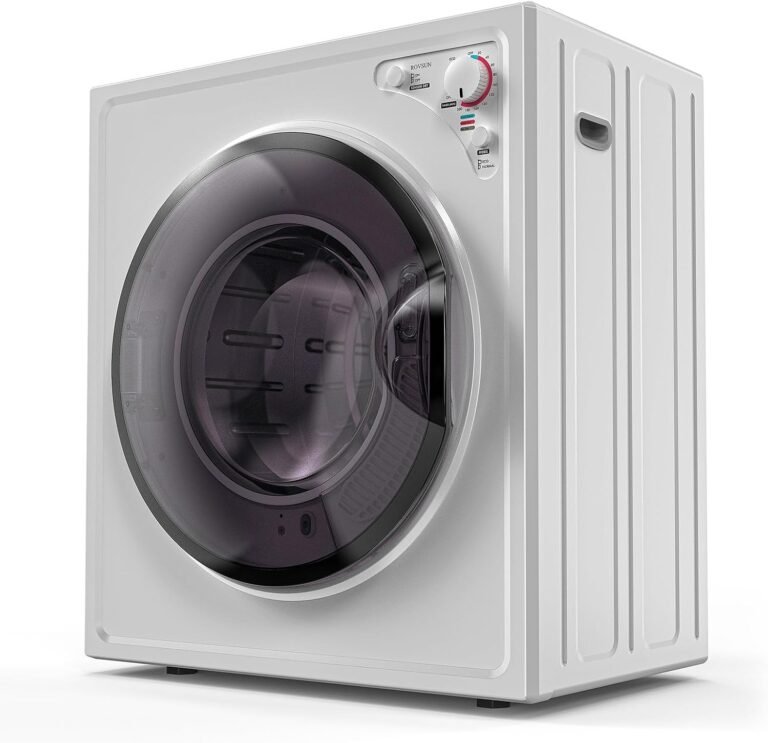
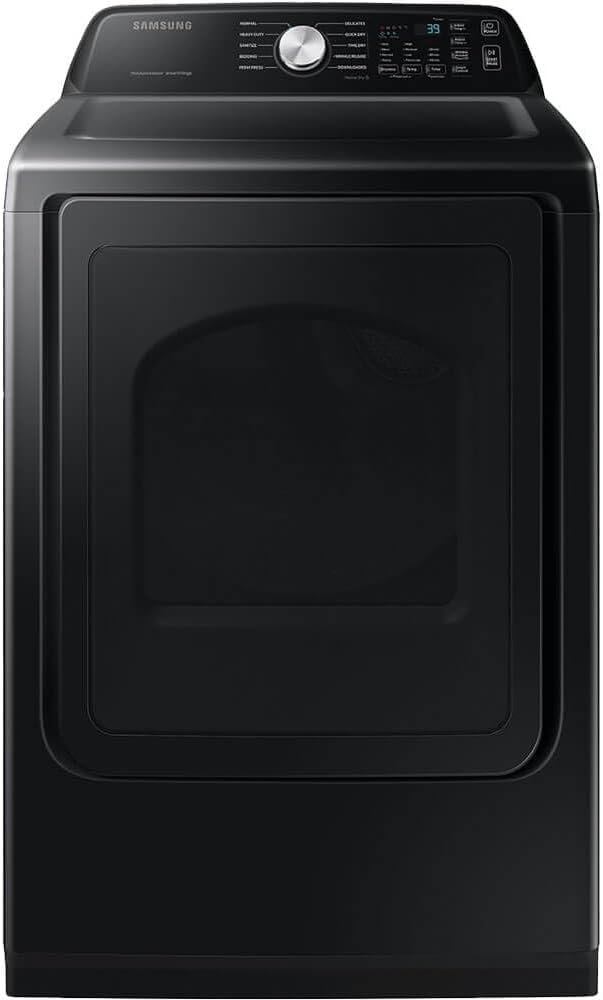
Is a Heat Pump Clothes Dryer Worth It in 2026
Yes, a heat pump clothes dryer is worth it for most households, because it uses about half the energy of a regular dryer while being gentler on your clothes. We found that the higher upfront cost is usually balanced out by years of lower utility bills. If you do laundry a few times a week, this appliance will likely pay for itself over time.
Beyond the energy savings, you get a dryer that doesn’t need a roof vent and won’t pump hot, humid air into your laundry room. Many experts say these dryers are the standard in Europe and are quickly catching on in the US. They take a bit longer to dry a load, but they protect your fabrics from wear and tear, which means your favorite shirts last longer.
TL;DR- Upfront cost is higher — usually $300 to $600 more than a regular dryer.
- Energy bills drop dramatically — you will likely save 25-50 percent on drying costs.
- No vent needed — you can install it almost anywhere with a power outlet and drain.
- Drying takes longer — expect 40-60 minutes for a typical load instead of 30-40.
- Your clothes last longer — the lower heat is much gentler on fabrics.
In the guide below, we walk through the real costs, the time trade-off, and exactly which laundry habits make this dryer a smart buy for you.
Weighing the Real Value of a Heat Pump Dryer
If you are staring at a pile of laundry and a dryer that eats electricity, you might be wondering if the switch is smart. We found that heat pump dryers make sense for most families, but they are not perfect for everyone. Your laundry space, your utility rates, and your patience all matter here.
The biggest change is how these machines create heat. A regular dryer blasts hot air and vents it outside. A heat pump dryer recycles warm air inside a closed loop. That simple difference is where the savings come from.
How a Heat Pump Dryer Actually Works
Think of a heat pump dryer like a refrigerator running in reverse. It pulls in room-temperature or slightly warm air, heats it gently, and pushes it through your wet clothes. Then it pulls the damp air back in, removes the water, and reuses the heat.
This closed-loop system is what makes it efficient. It does not waste warm air by sending it outside. Instead, it captures and reuses that heat load after load. Research and found that this approach uses roughly half the energy of a traditional dryer (U.S. Department of Energy).
The Price Tag: More Upfront, Less Later
Let us talk money. That is usually the first thing on your mind, right?
On average, you will pay $300 to $600 more for a heat pump dryer than a standard vented model. That is a real chunk of change. It can feel like a punch to the wallet when you are standing in the appliance store.
But here is the thing: we found that the monthly savings stack up quickly. If you dry five loads a week, you could save anywhere from 25 to 50 percent on your drying costs. Over a year, that is often $100 to $200 back in your pocket.
| Expense | Traditional Dryer | Heat Pump Dryer |
|---|---|---|
| Upfront cost | Lower | Higher by $300-$600 |
| Energy use per load | High | About half |
| Yearly operating cost (est.) | $150 – $250 | $75 – $125 |
| Fabric wear over time | Higher heat, more wear | Gentler, less wear |
Many experts say the break-even point lands between two and five years. After that, you are just saving money every single month. If you plan on staying in your home for a while, the math usually works out in your favor.
The Time Trade-Off You Need to Know
Here is the catch that nobody tells you about. Heat pump dryers are slower. We found that a typical load takes about 40 to 60 minutes, while a regular dryer finishes in 30 to 40 minutes.
That extra twenty minutes can feel annoying. You might think, “I do not have time for this.” But let us put it in perspective. You are not standing there watching it dry. You load the machine, set the cycle, and walk away. The dryer is doing the work, not you.
If you are someone who needs a shirt dried in ten minutes before heading out the door, this machine will test your patience. But for most families, the extra drying time is a minor trade-off for major energy savings.
Why the Longer Drying Time Happens
The gentler heat is the reason for the slower drying. Lower temperatures mean water evaporates more slowly. It is physics, plain and simple.
Some newer models have sensor technology that stops the cycle when clothes are dry. That helps cut down on the total time. You just need to get used to planning your laundry a little earlier than before.
No Vent Needed: Your Installation Freedom
This is one of the best hidden perks. A traditional dryer needs a vent pipe to push hot, humid air outside. That means your laundry room has to be against an exterior wall or have ductwork installed.
Heat pump dryers do not need any outside venting. The water collects in a tank or drains right into your washing machine drain. That opens up a ton of options for where you can place it.
Where You Can Put a Heat Pump Dryer
- In a closet with just a power outlet
- In an apartment or condo with no exterior access
- In a hallway bathroom or small utility nook
- Under a counter or in a cabinet
- In a basement far from any outside wall
That flexibility is a game-changer for city dwellers and renters. You get the power of a real dryer without needing a landlord to approve ductwork. Many experts say this is why heat pump dryers dominate the European market.
Your Clothes Will Thank You (And Last Longer)
Let us talk about fabric care, because this is where the magic happens.
A traditional dryer runs at high temperatures that can shrink cotton, fade colors, and break down elastic over time. Your favorite pair of jeans might only survive 30 to 40 washes in a hot dryer. We found that heat pump dryers use much lower temperatures, which means your clothes last significantly longer.
Which Fabrics Benefit the Most
Some materials really shine with a heat pump dryer. You will notice the difference with:
- Wool sweaters that usually shrink in a normal dryer
- Silk blouses and delicate dresses
- Athletic wear with spandex or synthetic fibers
- Denim that fades too fast in high heat
- Towels that feel rough and stiff after regular drying
This is not just about comfort. It is about your budget. Clothes are expensive. If your dryer extends the life of your wardrobe by six months to a year, that is real money saved on replacing items.
Lint and Fuzz Management
You still need to clean the filter, but the experience is a bit different. Heat pump dryers collect lint in a filter and water in a separate tank. You will empty both regularly.
Some models have self-cleaning condenser systems. These use a small amount of water to rinse the condenser, so you do not have to dig around in there by hand. That is a nice upgrade if you hate maintenance chores.
When a Heat Pump Dryer Might Not Be Your Best Pick
We like to be honest with you. This dryer is not for everyone. Let us walk through the situations where you might want to stick with a traditional model.
You Dry Only a Few Small Loads Per Week
If you live alone and do one or two loads every other week, the energy savings will not cover the higher purchase price. The payback period stretches out to eight or ten years. That is hard to justify for a single person with light laundry habits.
You Are in a Rush Every Single Day
Some households need clothes dried fast. If you have multiple kids in sports and need uniforms ready in under an hour, the slower cycle will frustrate you. You might end up finishing things in the dryer anyway, which defeats the savings.
How to Make the Switch Successfully
If you are leaning toward buying one, good for you. You are making a smart choice for your energy bill and your wardrobe. But you need to adapt your habits a little.
Your First Month Adjustment Period
The first week, you will probably check on the dryer a few extra times. It is normal. You will wonder if it is really working because the temperature outside the machine stays cool.
Give yourself time to trust the process. Many experts say it takes about two to three weeks to adjust to the new drying times.
Small Habits That Help
These little tweaks can make a big difference in how well your dryer performs:
- Shake out each item before loading to reduce tangles
- Do not overload the drum — leave room for air to circulate
- Use the moisture sensor instead of timed drying
- Clean the lint filter after every single load
- Empty the water tank before it reaches full
- Use a lower spin speed on your washing machine to save time
These steps keep your dryer running efficiently and help you avoid the common pitfalls that lead to long drying times.
The Environmental Angle We Cannot Ignore
Beyond your personal savings, this is a choice that helps the planet too. A heat pump dryer uses less electricity, which means fewer emissions from power plants. If you are trying to lower your carbon footprint, this is one of the easiest swaps you can make.
Many energy programs and local utilities also offer rebates or tax credits for buying ENERGY STAR-certified models. That can knock a few hundred dollars off the upfront price, making the switch even more appealing.
Pair that with the fact that you are reducing wear and tear on clothes, which keeps them out of landfills longer. It is a small but meaningful win for both your wallet and the environment.
What to Look For When Buying
Ready to shop? Keep these features in mind so you do not end up with a model that frustrates you:
- ENERGY STAR certification for maximum efficiency
- Moisture sensors that stop the cycle automatically
- A reversible door so you can fit it in tight spaces
- A self-cleaning condenser for easier maintenance
- A reasonable noise rating — some models hum louder than others
- Good reviews on drying times from real owners
Do not just grab the cheapest one. We found that the mid-range models often hit the sweet spot between price, performance, and convenience features.
Making Your Final Call
Here is the honest bottom line. A heat pump dryer is worth it if you dry several loads a week, want to lower your bills, and care about keeping your clothes in good shape. The slower drying time is the main downside, but most people adjust within a month.
If you are a light user or in a constant hurry, you might be better off sticking with a traditional dryer. That is okay. Every home is different.
At the end of the day, you need to look at your own laundry habits and your own utility bill. If the numbers work out and you can handle the longer cycles, this is one of the smartest appliance upgrades you can make. Your wallet and your favorite sweater will both appreciate it.
Conclusion
So, is a heat pump clothes dryer worth it? For most households, the answer is a clear yes. You get lower energy bills, gentler care for your clothes, and the freedom to install it almost anywhere.
The higher upfront price is the biggest hurdle. But with typical savings of 25 to 50 percent on drying costs, you will likely break even in two to five years. After that, you are just saving money.
The slower drying time is the trade-off you need to accept. If you do several loads a week and are not in a constant rush, this is one of the smartest upgrades you can make for your home.
Start by measuring your laundry space and checking your current energy costs. Then, look for an ENERGY STAR-certified model with moisture sensors. Your wallet and your favorite shirt will thank you.
Frequently Asked Questions
Do heat pump dryers need a special outlet?
Most heat pump dryers plug into a standard 120-volt outlet. That is a big advantage over traditional dryers that need a 240-volt hookup.
You can often use the same outlet as your washing machine. Just check the manual for your specific model to confirm the power requirements.
Can you use a heat pump dryer in an unheated garage?
Yes, but you might notice longer drying times in colder months. The dryer works by pulling in air from the room and warming it gently.
If the room is freezing, it takes more energy to heat the air. You will still save money, but expect the cycles to run a bit longer in winter.
Are heat pump dryers louder than regular dryers?
They can be slightly louder because of the compressor and pump running inside. You will hear a soft humming sound throughout the cycle.
Most owners say it is not bothersome, especially if the dryer is in a closet or basement. Check the noise rating before you buy if you plan to place it near living spaces.
Do you need to clean the heat pump dryer filter differently?
You clean the lint filter after every load, just like a regular dryer. But heat pump dryers also have a secondary filter near the condenser.
You will need to rinse that one out every few weeks. Some models have a self-cleaning feature that handles this automatically for you.
What happens if the water tank gets full?
The dryer will pause and alert you that the tank needs emptying. It will not keep running until you drain the collected water.
You can avoid this by installing a drain hose. That lets the water flow straight into your washing machine drain, so you never have to think about the tank again.