Best Clothes Dryer Types for 2026: A Buyer’s Guide
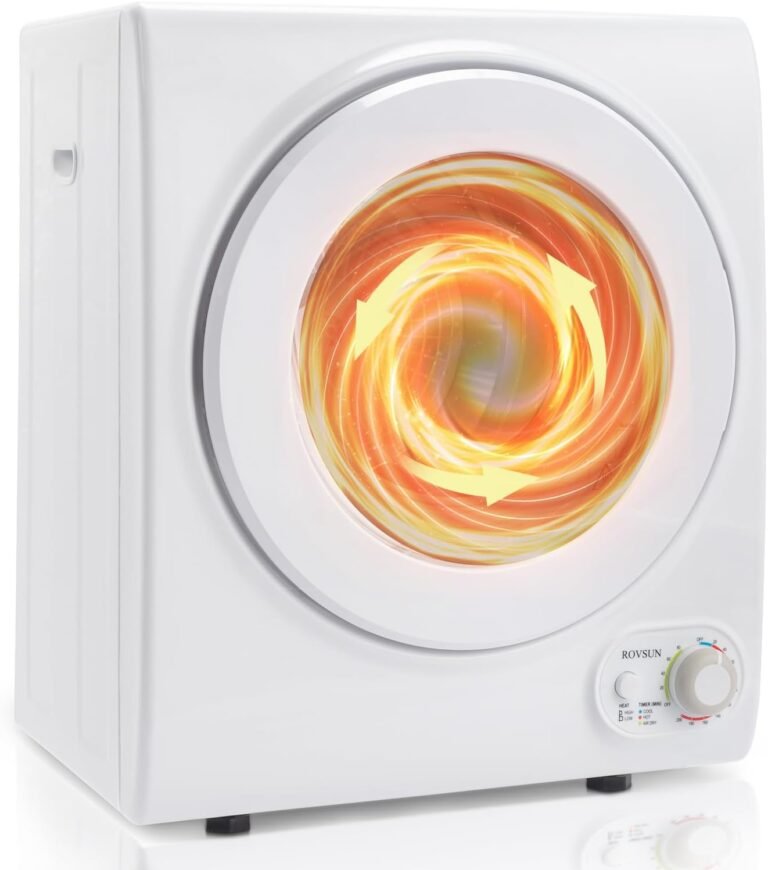
The best clothes dryer for most households is a vented electric dryer—it’s affordable, easy to install, and gets your clothes dry quickly. We found that vented models offer the best balance of price and performance for the average family. If you don’t have an outdoor vent, a condenser dryer is your next best bet.
Your choice really depends on your home’s setup, your budget, and how much you care about energy bills. Many experts say that heat pump dryers are the most energy-efficient option, but they cost more upfront. You also need to think about drum size, sensor drying, and how loud the machine is while it runs.
- Vented dryers are the cheapest and most common—best if you have an outside wall for the hose.
- Condenser dryers collect water in a tank—great for apartments with no vent.
- Heat pump dryers use the least energy and are gentler on clothes, but they cost more.
- Look for a drum size of at least 7 cubic feet for a family of four.
- Moisture sensors stop the cycle automatically, saving energy and preventing shrinkage.
Below, we break down each dryer type, what to look for, and how to pick the right one for your home. Let’s walk through the details so you can make a confident choice.
Picking the Right Dryer for Your Home Setup
The best clothes dryer for you depends on where you live and how your laundry room is built. Your home’s hookups decide a lot of this for you. A vented dryer needs an outside wall to push hot, moist air through a hose. Condenser dryers don’t need a vent at all. Heat pump dryers also work without a vent, which makes them perfect for tight spaces.
You need to check what your laundry room can support before you buy anything. Look behind your current dryer. Do you see a metal duct or a round hole in the wall? That means you can use a vented dryer. No hole? Then you should focus on condenser or heat pump models. We found that many apartment dwellers get stuck with no vent and don’t know they still have great options.
Vented Dryers: The Classic Workhorse
Vented dryers are the most common machines in American homes. They pull in room air, heat it, and blow it through your tumbling clothes. Then they push that damp air outside through a hose. This process is simple and fast. Most vented dryers finish a load in 45 to 60 minutes.
These machines cost less upfront than any other type. You can find a solid vented dryer for around 500 to 800 dollars. Installation is usually straightforward if your home already has the ductwork. Many experts recommend vented dryers for families that do heavy laundry and want quick turnaround times.
When Vented Dryers Fall Short
Your back wall gets very hot during a vented dryer cycle. You also lose some heated indoor air in the winter. But the biggest downside is the vent hose itself. It needs regular cleaning to prevent lint buildup and fire hazards. The National Fire Protection Association states that failure to clean dryers leads to thousands of home fires each year. So, if you hate maintenance, a vented dryer might not be your best friend.
Condenser Dryers: No Vent Required
Condenser dryers work like a dehumidifier for your laundry. They heat the air and pass it through your clothes. Then they cool that air to pull out the moisture. The water collects in a tank that you empty manually, or it drains into a nearby sink or floor drain.
These machines are a lifesaver for apartments, condos, and older homes without ductwork. You just need a power outlet and some space. The trade-off is that they cost more than vented models. They also take a bit longer to dry a load. Most condenser dryers run between 60 and 90 minutes per load. We found that they are slightly harder on clothes because they run at higher temperatures.
Energy Efficiency and Your Monthly Bills
Your dryer is one of the biggest energy users in your home. According to the U.S. Department of Energy, clothes dryers account for about 6 percent of residential electricity use. That adds up fast on your utility bill. Choosing an efficient model can save you real money each year. The type of dryer matters almost as much as the brand.
Many experts agree that heat pump dryers blow the competition away on efficiency. They use a closed-loop system. They recycle hot air instead of constantly heating fresh air. This design uses around 50 percent less energy than a standard vented dryer. For a family that does five loads a week, that could mean saving 100 to 150 dollars a year.
Heat Pump Dryers: The High-Tech Option
Heat pump dryers are gentle on your clothes and your wallet over time. They operate at lower temperatures, usually around 120 degrees Fahrenheit. Lower heat means less shrinkage and less wear and tear on your fabrics. Delicates, workout gear, and wool items come out looking better.
The big catch is the purchase price. You might pay two to three times more than a vented dryer upfront. They also dry more slowly because of the lower heat and closed-loop design. A typical load can take up to two hours. You save energy but spend more time waiting. It’s a real trade-off.
Is the Higher Price Worth It?
If you plan to stay in your home for over five years, yes. The energy savings usually make up the price difference by then. Many appliance experts also note that heat pump dryers are easier on expensive clothing. If your wardrobe includes quality jeans, cashmere, or technical fabrics, the gentler cycle matters. We found that buyers who switch to heat pump dryers rarely go back.
Comparing Your Three Options Side by Side
Here is a simple table to see how they stack up. This covers the key differences you will care about at the store.
| Feature | Vented | Condenser | Heat Pump |
|---|---|---|---|
| Average price | 500-800 | 700-1100 | 1100-1800 |
| Needs vent | Yes | No | No |
| Dry time | 45-60 min | 60-90 min | 90-120 min |
| Energy use | High | Medium | Low |
| Heat level | High | Medium-high | Low |
This table helps you spot the winners in each category. Vented wins on speed and cost. Heat pump wins on efficiency and fabric care. Condenser sits right in the middle as a compromise for homes without vents.
Sizing Up Drum Capacity for Your Family
Drum size makes a big difference in how often you run the machine. A small 4-cubic-foot drum means more loads and more waiting. You want a drum that fits your lifestyle comfortably. A larger drum also helps clothes tumble freely. When clothes can’t tumble, they dry unevenly and wrinkle more.
We found that a single person or a couple does fine with a 5 to 6 cubic foot drum. An average family of four should look for 7 cubic feet or more. For a family with teenagers or lots of sports gear, 7.5 cubic feet is the sweet spot. You can dry a king-size comforter in a machine that large.
Match the Dryer Size to Your Washer
Your dryer should be slightly larger than your washer. The washer pulls clothes out soaking wet. The dryer needs extra room to let them spread out. If you have a 5-cubic-foot washer, get a 7-cubic-foot dryer. That sizing ratio gives clothes proper airflow and cuts drying time.
Many new washers are high-efficiency and spin faster. They remove more water before the dryer starts. That means your dryer’s job gets easier. Check your washer’s spin speed too. A washer that spins at 1,200 RPM or more will save you dryer minutes on every single load.
Smart Features That Make Life Easier
Modern dryers come loaded with features. Some are totally worth the extra money. Others are just marketing bells and whistles. You don’t need a dryer that connects to your phone to get dry clothes. But a few smart touches genuinely help you do less work.
Moisture sensors are the most valuable feature on the market. These sensors detect when your clothes are dry and shut the machine off automatically. This prevents over-drying, which causes shrinkage and wastes energy. We recommend you only choose a dryer with this feature. It pays for itself in saved electricity and saved clothes.
Sensor Drying vs. Timed Drying
Timed drying runs for whatever minutes you set. It stops when the timer runs out, whether your clothes are ready or not. Most cheap dryers work this way. You end up with damp loads or crispy, over-dried loads. It’s a guessing game every single time.
Sensor drying measures the moisture level in the drum. When clothes reach your chosen dryness level, it stops automatically. No more checking and restarting your dryer. Many experts consider sensor drying a must-have. You will save energy and prevent fabric damage with this simple upgrade.
Steam Cycles and Wrinkle Control
Steam cycles spray a fine mist into the drum to relax wrinkles. They are great for dress shirts and business attire. You can toss a wrinkled shirt in for 15 minutes and pull it out ready to wear. This reduces trips to the ironing board. Wrinkle control features tumble your clothes briefly after the cycle ends. This prevents deep creases from forming while the dryer sits idle.
Noise Levels and Where You Live
Dryer noise is easy to ignore until you can’t. If your laundry room sits near a bedroom or living room, you’ll hear every thump. Vented dryers tend to be the loudest because of the airflow and motor sounds. Condenser models are a bit quieter. Heat pump dryers run the most quietly. They sound like a low hum rather than a roar.
A noisy dryer can really disrupt your home. Many people run laundry at night to avoid high energy costs. If that’s you, sound matters. Look for models with a noise rating under 60 decibels. That’s about the level of a normal conversation. It also pays to check if the dryer has vibration pads. They help keep the machine from moving on uneven floors.
Placement and Venting Considerations
Think about where the machine sits. A vented dryer loses efficiency if the vent hose is long and twisty. Short, straight vent runs work best. Condenser and heat pump dryers only need an outlet and a bit of clearance for airflow. Check the installation manual for clearance requirements.
Quick Checklist Before You Buy
Use this list to narrow down your options at the store. It covers the essentials to compare between models.
- Confirm your vent type: you either have a duct or you don’t.
- Match drum size to your household size and washer capacity.
- Look for moisture sensors as your non-negotiable feature.
- Set a budget that includes possible installation or venting costs.
- Check the noise rating if the dryer sits near living areas.
- Compare energy star ratings to estimate your yearly operating costs.
This list helps you stay on track when a salesman starts throwing specs at you. Stick to your priorities and your home’s basic needs.
Reading the Fine Print on Warranties
A dryer is a long-term purchase. You want it to last 10 to 15 years. Warranties protect you if anything breaks early. Most brands offer a one-year parts and labor warranty. That covers manufacturing defects but not user errors. A broken vent hose or a clogged lint filter is on you.
Some premium brands offer extended warranties on the motor and drum. These parts typically last the life of the machine. We recommend that you read the warranty terms before you buy. It takes five minutes and can save you a costly repair later. Many experts suggest skipping extended service plans from the store. You can often get better coverage through your home warranty or credit card benefits.
Conclusion
You now have everything you need to pick the best clothes dryer for your home. Start with your vent situation. That single fact will narrow your options right away. Then match the drum size to your family and make sure moisture sensors are on your list.
Remember, vented dryers win on speed and price. Heat pump dryers win on energy savings and fabric care. Condenser dryers are your no-vent compromise. Any of these will serve you well if you buy the right size and features.
Your next step is simple. Measure your space, check your hookups, and set a firm budget. Then compare two or three models that meet your checklist. You will find the right dryer without the stress.
Frequently Asked Questions
How long should a clothes dryer last?
Most dryers last between 10 and 15 years with regular care. Cleaning the lint filter after every load helps extend that life. Vented dryers need their exhaust hose cleaned yearly to prevent fire risk. If your dryer is over 12 years old and needs frequent repairs, replacement is usually smarter.
Can I put a vented dryer in a closet?
Yes, but you need proper airflow and venting to the outside. A closet door needs louvers or gaps for air to enter. The exhaust hose must run to an outside wall, not just into the room. Check your local building codes before you install one in a confined space.
What size dryer do I need for a king-size comforter?
You need at least a 7-cubic-foot drum for a king comforter to dry properly. A 7.5-cubic-foot model gives you even more room for the fabric to tumble. If the comforter bunches up, it will come out damp in the middle. Larger drums handle bulky items much better.
Are expensive dryers worth the extra money?
That depends on which features you actually use. Paying more for moisture sensors, larger drums, and better build quality is worth it. Paying extra for smart app controls or fancy cycles you never touch is not. We found that mid-range models from trusted brands offer the best value for most families.
Should I buy a dryer and washer as a matching set?
Matching sets look nice, but they are not required. You can pair a dryer from one brand with a washer from another. Just make sure the dryer drum is slightly larger than the washer drum. Matching sets sometimes bundle discounts, so check the price of buying them separately too.